
Fan Regulator Getting Hot? Causes, Risks & How to Fix Overheating
A fan regulator getting slightly warm can be normal, but a regulator that is hot to the touch is a warning sign. The most common cause is an old resistive-type regulator, which wastes energy as heat by design. Other causes include loose wiring, an overloaded or undersized regulator, and a faulty unit. Serious overheating risks damage and even fire, so it should not be ignored. At Sai Electronics, we manufacture fan regulators in India, and this guide explains exactly why regulators overheat and how to fix it safely.
Key Takeaways
- Slightly warm is normal; hot to the touch is not. Real heat is a warning sign.
- Old resistive regulators run hot by design — they burn off energy as heat.
- Loose wiring and overloading are the next most common causes.
- Overheating is a genuine fire risk and should never be ignored.
- Switching to a step-type regulator usually fixes the problem for good.
Upgrade to a Cool-Running Step Regulator
Still using an old resistive regulator that gets hot? Our 4-step, 5-step and 7-step regulators run cooler, quieter, and last longer. Browse the full range.
VISIT SHOPIs a hot fan regulator normal?
A little warmth can be normal. A regulator carries current, and some types give off mild heat during use. The question is how hot.
Here's a simple rule of thumb:
- Slightly warm — you can hold your hand on it comfortably. Usually fine.
- Noticeably warm — warm but not painful. Worth keeping an eye on.
- Hot to the touch — too hot to hold for more than a second. This is a problem.
- Discoloured, smells of burning, or the plate is hot — switch off at the mains immediately.
If your regulator falls into the last two groups, don't ignore it. Heat at this level points to a fault or a poor regulator type, and it needs attention before it causes damage.
Why do fan regulators overheat?
There are a handful of common causes. Most cases come down to one of these.
- Old resistive-type regulator. These control speed by burning off extra energy as heat. Getting hot is literally how they work. This is the single biggest cause.
- Loose wiring. A loose terminal creates resistance at the joint, which heats up fast. Also causes humming and flickering.
- Overloading. Running a fan or load heavier than the regulator's rating forces it to work too hard.
- Undersized regulator. A low-wattage regulator on a powerful fan or cooler motor will overheat.
- Poor-quality unit. Cheap regulators with thin components heat up and fail early.
- Running at mid speed for long periods. On resistive types, middle speeds waste the most energy as heat.
The good news: once you know the cause, the fix is usually simple. We'll go through diagnosis and fixes below.
Resistive vs step/electronic regulators
The type of regulator matters most for heat. Here's how the main types compare.
| Type | How it controls speed | Heat | Energy use |
| Resistive (old round type) | Burns off extra voltage as heat | Runs hot, especially mid-speed | Wastes energy |
| Step / electronic | Switches voltage in fixed steps | Stays cool | Saves energy |
| Capacitor-based | Uses a capacitor to drop voltage | Runs cool | Efficient |
This is the key insight. If your regulator is the old resistive round type and it runs hot, that's normal for its design, not a fault you can fix. The real solution is to upgrade to a modern step or capacitor regulator, which stays cool and cuts your electricity use at the same time.
The real risks of an overheating regulator
An overheating regulator isn't just an annoyance. Left unchecked, it can cause real harm.
- Fire risk. Excess heat can melt insulation and plastic, and in the worst case start a fire in the switchboard.
- Damage to the switchboard. Heat warps and discolours the modular plate and nearby switches.
- Early failure. The regulator itself burns out sooner, costing you a replacement.
- Shock hazard. Melted insulation can expose live parts.
- Higher bills. Resistive regulators waste the heat energy you're paying for.
This is why heat should never be brushed off. A regulator that is too hot to touch, smells of burning, or has discoloured needs to be switched off at the mains and dealt with straight away.
FEATURED PRODUCTS
VIEW ALL ➔

How to diagnose the cause
Work through these checks in order to find why yours is overheating. Switch off the mains before opening anything.
- Identify the regulator type. Is it an old round resistive knob, or a modern modular step/electronic unit? Resistive = heat is likely by design.
- Check the load. Note your fan's wattage and compare it to the regulator's rating. A mismatch means overload.
- Open the plate and inspect the terminals. Look for loose, burnt, or discoloured connections.
- Feel where the heat is. Heat at a terminal points to a loose joint. Heat across the whole body points to the regulator type or an overload.
- Note the speed setting. If it only overheats at mid speed, that's classic resistive behaviour.
- Check for burning smell or discolouration. If present, the unit is failing and must be replaced.
Once you know the cause, match it to the right fix below.
How to fix an overheating regulator
Match the fix to the cause you found.
- If it's a loose terminal: switch off, tighten every connection firmly, and retest. This often solves heat and humming together.
- If it's an old resistive type: replace it. No amount of fiddling stops a resistive regulator heating up. Upgrade to a step or capacitor type.
- If it's an overload or undersize: fit a regulator rated for your fan's wattage, or a higher-capacity unit for cooler motors.
- If the unit is faulty, burnt, or discoloured: replace it immediately. Don't keep using a damaged regulator.
- If it's a cheap low-quality unit: switch to a quality regulator with proper components.
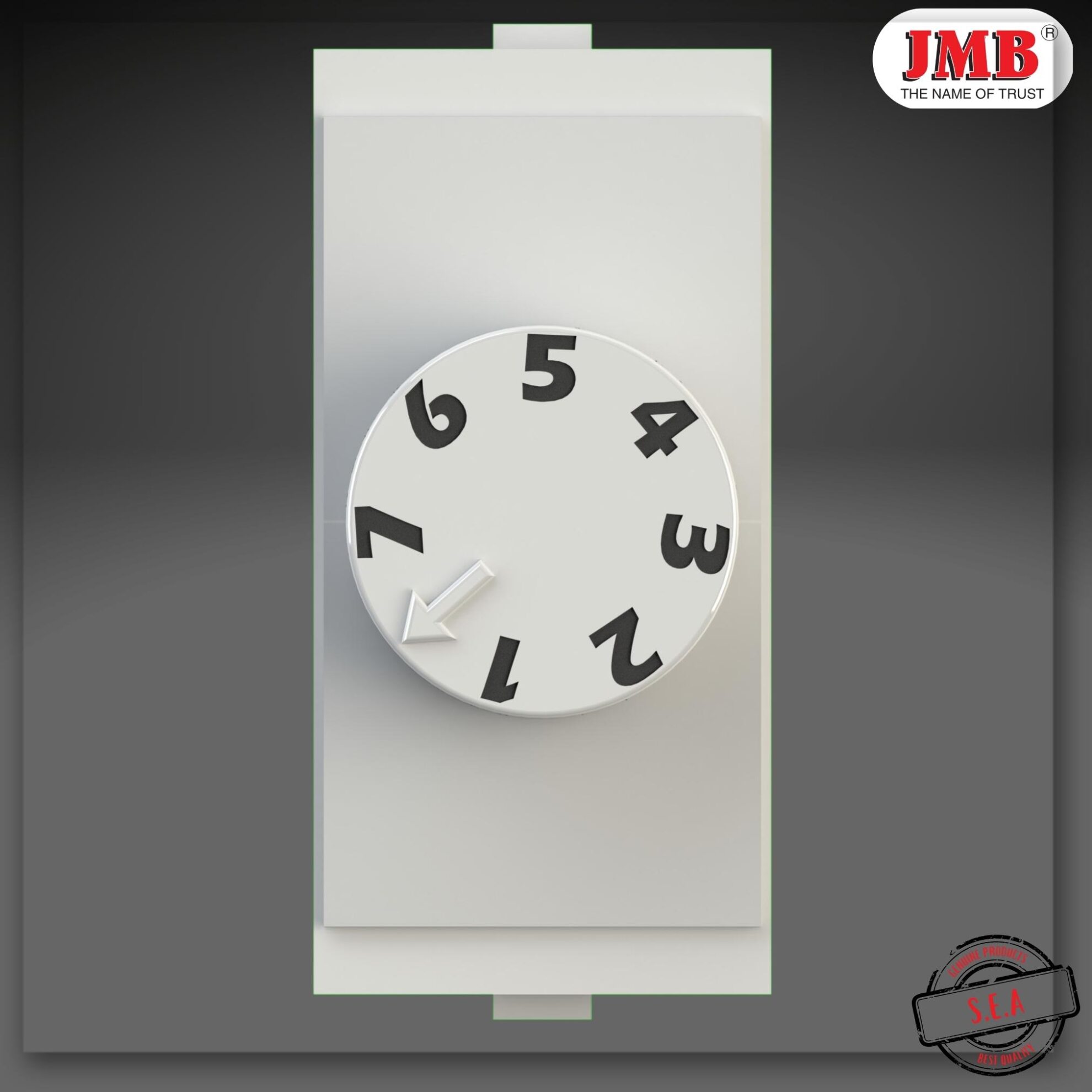
For a cool, quiet, lasting replacement, our 4-step fan regulators and 5-step fan regulators are built to run cool. For cooler motors, use a dedicated cooler regulator.
How to prevent overheating
Stopping the problem before it starts is simple with the right choices.
- Choose a step or capacitor regulator. These stay cool by design, unlike old resistive types. Our 7-step fan regulators give smooth control and run cool.
- Match the rating to the load. Always pick a regulator rated for your fan or cooler wattage.
- Use quality components. A well-made regulator with proper heat handling lasts years.
- Keep connections tight. Check terminals occasionally for any looseness.
- Pick a reputable manufacturer. Buying from a trusted maker avoids thin, overheating units.
As a fan regulator manufacturer, we design our regulators to run cool and quiet. Explore the full fan regulators collection or compact rotary fan dimmers to find a safe, efficient fit.
FAQ
Q1. Is it normal for a fan regulator to get warm?
Slight warmth can be normal. But if it's hot to the touch, discoloured, or smells of burning, that's a fault or a poor regulator type and needs attention.
Q2. Why does my old round fan regulator get so hot?
Old resistive regulators control speed by burning off energy as heat. Getting hot is how they work. The fix is to upgrade to a step or capacitor type.
Q3. Can an overheating fan regulator cause a fire?
Yes. Severe overheating can melt insulation and plastic and, in the worst case, start a fire. Switch off at the mains and replace a badly overheating regulator.
Q4. Why does my regulator heat up only at medium speed?
That's typical of resistive regulators. Middle speeds waste the most energy as heat. A step or electronic regulator avoids this.
Q5. How do I stop my fan regulator from overheating?
Tighten loose terminals, match the regulator to your fan's wattage, and switch to a cool-running step or capacitor regulator from a quality maker.
Q6. Which fan regulator runs the coolest?
Step-type and capacitor-based regulators run far cooler than old resistive types, and they save electricity too.
Final thoughts
A fan regulator getting hot is your switchboard telling you something is wrong. Mild warmth can be fine, but real heat points to an old resistive unit, loose wiring, or an overload, and it carries a genuine safety risk.
The fix is usually simple: tighten connections, match the rating, and upgrade an old resistive regulator to a cool-running step or capacitor type.
As a trusted fan regulator manufacturer in India, Sai Electronics builds regulators that run cool, quiet, and safe. Contact our team for help choosing the right model, or for bulk and OEM orders.
Need Cool-Running Regulators in Bulk?
Whether you need bulk quantities for a housing project, OEM private labelling, or sample units for testing, our team is ready to help with pricing, specifications, and project-based quotations.
Contact Us NowBlog Categories
- 4 Step Fan Regulator
- 5 Step Fan Regulator
- 5 Step Fan Regulator Manufacturer
- 7 Step Fan Regulator manufacturer
- Blogs
- cooler regulator manufacturer
- fan dimmer manufacturer
- fan plate cover manufacturers
- Fan Regulator Manufacturing
- Fan Sheet manufacturer
- LED Foot Lights manufacturer
- modular blank plate manufacturer
- rotary dimmer manufacturer
- Surface box manufacturing
- USB Socket Manufacturers
