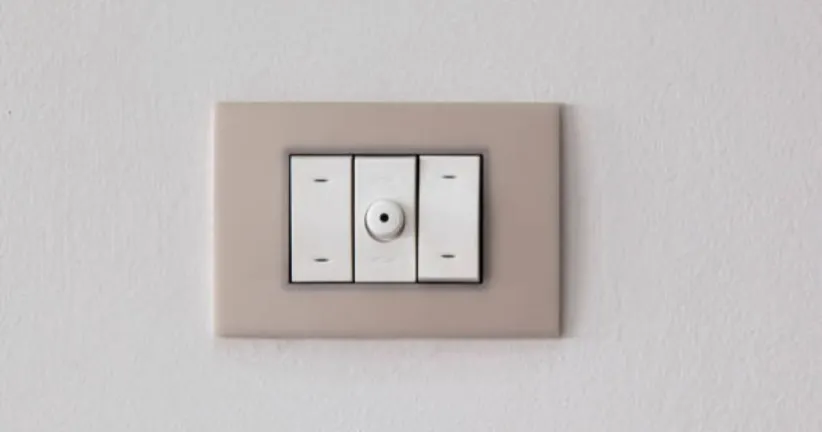
Ceiling fans have become an integral part of Indian households, providing energy-efficient cooling solutions across diverse climatic conditions. Behind every smoothly operating ceiling fan lies a crucial component that controls its speed and performance: the fan regulator. Understanding the technology that powers these devices can help homeowners make informed decisions when selecting the right speed control system for their needs.
Understanding Fan Regulator Technology
Fan regulators serve as the bridge between electrical supply and motor control, managing the voltage delivered to ceiling fan motors. These devices have evolved significantly over the decades, transitioning from basic mechanical switches to sophisticated electronic systems. The fundamental principle remains consistent: controlling the speed of fan motors by adjusting the electrical parameters that reach them.
Modern fan regulator manufacturers have developed two primary categories of speed control systems: analog (traditional) and digital (electronic) variants. Each technology offers distinct advantages and operates through different mechanisms, making them suitable for various applications and user preferences.
The electrical engineering behind fan regulators involves intricate circuitry designed to handle the specific requirements of ceiling fan motors. Unlike other electrical appliances, fans require variable speed control while maintaining smooth operation across different RPM ranges. This complexity has driven innovation among fan regulator manufacturers in India, leading to increasingly sophisticated solutions.
Analog Fan Regulators: The Traditional Approach
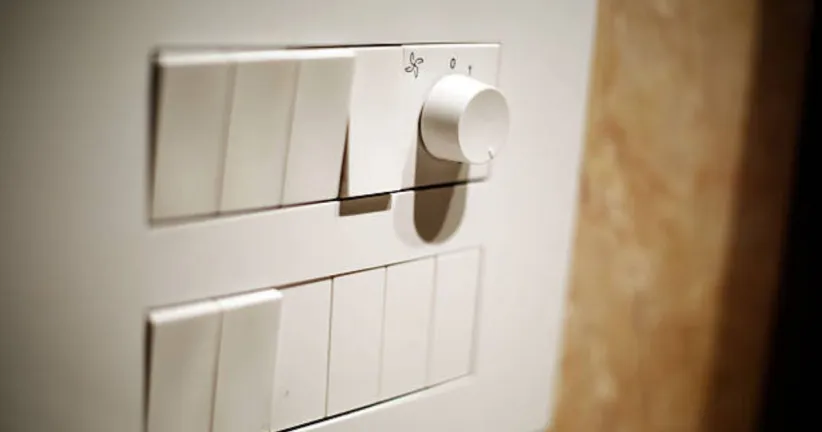
Analog fan regulators, also known as resistance-based regulators, have been the backbone of ceiling fan control for decades. These devices utilize a series of resistors or capacitors to reduce the voltage supplied to the fan motor, thereby controlling its speed. The technology relies on stepped voltage reduction, typically offering 4-5 speed settings.
How Analog Regulators Work
The core mechanism of analog regulators involves inserting resistance into the electrical circuit. When a user selects a lower speed setting, additional resistance is introduced, reducing the voltage reaching the motor. This voltage drop translates directly into reduced motor speed. The process is straightforward: higher resistance equals lower voltage, which results in slower fan rotation.
These regulators typically employ either resistive or capacitive methods. Resistive regulators use wire-wound resistors that dissipate excess energy as heat, while capacitive regulators use capacitor banks to control the phase relationship between voltage and current, achieving speed control without significant heat generation.
Advantages of Analog Systems
Analog regulators offer several benefits that have maintained their popularity among consumers. Cost-effectiveness stands as their primary advantage, making them accessible to budget-conscious buyers. The simplicity of their design translates into reliable operation with minimal complexity, reducing the likelihood of electronic failures.
Durability represents another significant advantage. With fewer electronic components, analog regulators often outlast their digital counterparts, especially in harsh electrical environments common in many Indian regions. Their robust construction can withstand voltage fluctuations and power surges better than sensitive electronic circuits.
The universal compatibility of analog regulators makes them suitable for virtually all ceiling fan types. Whether dealing with older fan models or basic motor designs, analog regulators provide consistent performance without compatibility concerns.
Limitations and Drawbacks
Despite their reliability, analog regulators face several limitations in modern applications. Energy efficiency remains their most significant weakness. Resistive types, in particular, waste considerable energy as heat, leading to higher electricity consumption and reduced overall system efficiency.
Heat generation poses both efficiency and safety concerns. The thermal energy produced by resistive regulators can cause discomfort in small spaces and may affect the longevity of surrounding electrical components. This heat also represents wasted energy that could otherwise contribute to fan operation.
Speed control precision in analog systems is limited to fixed steps, typically 4-5 discrete levels. Users cannot achieve intermediate speeds, potentially compromising comfort in specific environmental conditions. The stepped nature of control also means that the difference between adjacent speed settings might be too pronounced for optimal comfort.
Digital Fan Regulators: The Modern Solution
 Digital fan regulators represent the evolution of speed control technology, utilizing electronic circuits and microprocessors to achieve precise motor control. These systems employ techniques such as pulse width modulation (PWM) or triac-based switching to manage power delivery to fan motors with unprecedented accuracy.[/caption]
Electronic Control Mechanisms
Digital regulators operate by rapidly switching the electrical supply on and off, controlling the average power delivered to the motor. PWM technology varies the duration of these on-off cycles, allowing for smooth speed transitions and precise control. The switching frequency is typically high enough to prevent audible noise or visible flickering effects.
Triac-based digital regulators use semiconductor switches to control AC power flow. These systems can adjust the firing angle of the triac, effectively controlling the portion of each AC cycle that reaches the motor. This method provides smooth speed control while maintaining high efficiency.
Advanced digital systems incorporate microcontroller technology, enabling features such as soft start, automatic speed adjustment based on ambient conditions, and programmable operation modes. These intelligent systems can optimize performance based on real-time conditions and user preferences.
Superior Performance Characteristics
Digital regulators excel in energy efficiency, often achieving 15-20% better performance compared to their analog counterparts. This improvement stems from their ability to deliver precise power levels without wasteful resistance losses. The electronic switching methods minimize energy dissipation, translating into lower electricity bills for consumers.
Heat generation in digital systems is significantly reduced due to efficient switching mechanisms. Unlike resistive analog regulators that convert excess energy into heat, digital systems waste minimal power, maintaining cooler operation and improving overall system reliability.
The precision of digital speed control allows for stepless adjustment, enabling users to select any speed within the operational range. This fine-grained control enhances comfort by allowing precise adjustment to match specific environmental conditions and personal preferences.
Advanced Features and Capabilities
Modern digital regulators incorporate numerous advanced features that enhance user experience and system performance. Remote control capability allows convenient operation from anywhere in the room, while timer functions enable automated operation schedules.
Some digital systems include reverse rotation control, allowing users to change fan direction for optimal air circulation in different seasons. Sleep mode functionality gradually reduces fan speed throughout the night, maintaining comfort while minimizing energy consumption.
Smart connectivity features in premium digital regulators enable integration with home automation systems. Users can control their fans through smartphone apps, voice commands, or centralized control systems, adding convenience and energy management capabilities.
Comparative Analysis: Making the Right Choice
When evaluating analog versus digital fan regulators, several factors deserve consideration. Initial cost typically favors analog systems, making them attractive for budget-conscious consumers. However, the long-term operating costs and feature benefits of digital systems often justify their higher upfront investment.
Performance and Efficiency Metrics
Energy consumption represents a critical factor in the comparison. Digital regulators consistently demonstrate superior efficiency, particularly at lower speed settings where analog systems waste significant energy through resistance. Over time, these efficiency gains can offset the higher initial cost of digital systems.
Speed control accuracy and smoothness favor digital systems significantly. While analog regulators provide adequate control for basic applications, digital systems offer the precision needed for optimal comfort in varying conditions.
Reliability and longevity present a more complex comparison. Analog systems typically demonstrate excellent durability due to their simple construction, while digital systems may be more susceptible to electrical disturbances. However, quality fan regulator manufacturers in Ahmedabad have developed robust digital systems that match or exceed analog reliability.
Application-Specific Considerations
Residential applications often benefit from digital regulators due to their enhanced comfort features and energy efficiency. The ability to fine-tune speed settings proves particularly valuable in bedrooms and living spaces where precise environmental control matters most.
Commercial and industrial applications may lean toward analog systems where cost-effectiveness and proven reliability outweigh advanced features. In environments with harsh electrical conditions or minimal maintenance capabilities, analog regulators may provide better long-term value.
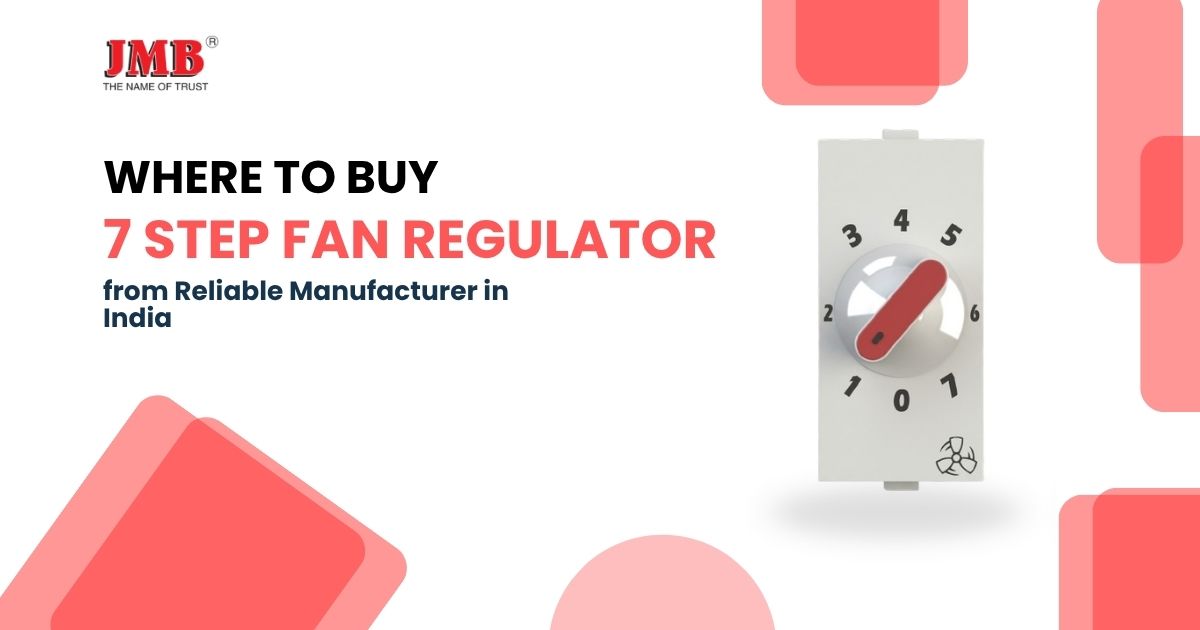
The 1 M 7 Modular Fan Regulator represents an excellent example of how modern manufacturing combines reliability with advanced features, providing users with optimal performance characteristics suitable for various applications.
Regional Manufacturing Excellence
India has emerged as a global leader in fan regulator manufacturing, with companies across the country developing innovative solutions for both domestic and international markets. Fan regulator manufacturers in India have gained recognition for their ability to balance cost-effectiveness with quality, making Indian products competitive worldwide.
Fan Regulator Suppliers in Gujarat have particularly distinguished themselves through technological innovation and manufacturing excellence. The state’s industrial infrastructure and skilled workforce have enabled the development of world-class production facilities capable of meeting diverse market requirements.
The fan regulator company in Ahmedabad ecosystem represents a concentration of expertise and innovation. Companies in this region have successfully developed products that cater to both traditional preferences for reliable analog systems and growing demand for advanced digital solutions.
Local manufacturing advantages include deep understanding of Indian electrical conditions, cost-effective production methods, and responsive customer service. Fan regulator socket manufacturers in Ahmedabad have developed specialized products that address the unique requirements of Indian electrical installations.
Quality Standards and Selection Criteria
Selecting the right fan regulator requires consideration of multiple factors beyond the analog versus digital debate. Build quality, electrical ratings, and manufacturer reputation all play crucial roles in long-term satisfaction and performance.
Electrical specifications must match the intended application. Voltage ratings, current capacity, and power handling capabilities should align with the specific fan models and electrical conditions where the regulator will operate. Understanding these specifications helps ensure safe and efficient operation.
Safety certifications and compliance with Indian electrical standards provide assurance of quality and reliability. Reputable fan regulator manufacturers company in India ensure their products meet or exceed relevant safety and performance standards.
The 1 M 7 Dio Modular Regulator exemplifies how modern manufacturing incorporates safety features and quality construction to deliver reliable performance across various applications.
Installation and Maintenance Considerations
Proper installation significantly impacts the performance and longevity of both analog and digital regulators. While basic installation procedures remain similar, digital systems may require additional considerations for optimal performance.
Electrical compatibility verification ensures smooth operation and prevents damage to both the regulator and connected fans. Professional installation often proves worthwhile, particularly for digital systems with advanced features or complex wiring requirements.
Maintenance requirements differ between analog and digital systems. Analog regulators typically require minimal maintenance, while digital systems may benefit from periodic cleaning and inspection of electronic components.
Environmental factors such as humidity, temperature, and electrical quality can affect regulator performance. Understanding these factors helps in selecting appropriate systems and implementing protective measures when necessary.
Future Trends and Innovations
The fan regulator industry continues to evolve, with emerging technologies promising even greater efficiency and functionality. Smart home integration, IoT connectivity, and artificial intelligence are driving the next generation of fan control systems.
Energy efficiency improvements remain a primary focus, with manufacturers developing systems that minimize power consumption while maximizing comfort and performance. Advanced motor control algorithms and adaptive control systems represent areas of active development.
The 1 M 7 Diamond Modular Ceiling Fan Regulator showcases how premium products incorporate cutting-edge technology while maintaining the reliability and ease of use that consumers expect.
Making an Informed Decision
Choosing between analog and digital fan regulators ultimately depends on individual needs, preferences, and budget considerations. Both technologies offer viable solutions for different applications and user requirements.
For those prioritizing cost-effectiveness and proven reliability, analog regulators continue to provide excellent value. Their simplicity and durability make them suitable for basic applications where advanced features are not required.
Digital regulators appeal to users seeking energy efficiency, precise control, and advanced features. The higher initial investment often pays dividends through reduced energy consumption and enhanced comfort.
Understanding How Ceiling Fan Regulators Work & Why Quality Matters provides additional insights into selecting and maintaining these crucial components.
Quality should remain the primary consideration regardless of technology choice. Established fan regulator manufacturers with proven track records offer the best assurance of long-term satisfaction and performance.
For those seeking professional guidance in selecting the right regulator for their specific needs, consulting with experienced fan regulator manufacturers can provide valuable insights and recommendations.
The extensive range of products available through specialized shop platforms enables consumers to compare options and select systems that best match their requirements and preferences.
Conclusion
Both analog and digital fan regulators serve important roles in the modern electrical landscape. Understanding the science behind these technologies enables informed decision-making that balances performance, efficiency, cost, and reliability considerations.
The choice between analog and digital systems should reflect individual priorities and application requirements. While digital technology offers compelling advantages in efficiency and features, analog systems maintain relevance through their cost-effectiveness and proven durability.
As the industry continues to innovate, consumers can expect even better solutions that combine the best aspects of both technologies. Whether choosing analog simplicity or digital sophistication, selecting quality products from reputable manufacturers ensures optimal performance and long-term satisfaction.
For personalized assistance in selecting the ideal fan regulator for your specific needs, professional consultation is available through established contact us channels, ensuring you make the best choice for your particular application and requirements.