Categories
Blogs fan dimmer manufacturer Fan Regulator Manufacturing Fan Sheet manufacturer rotary dimmer manufacturer

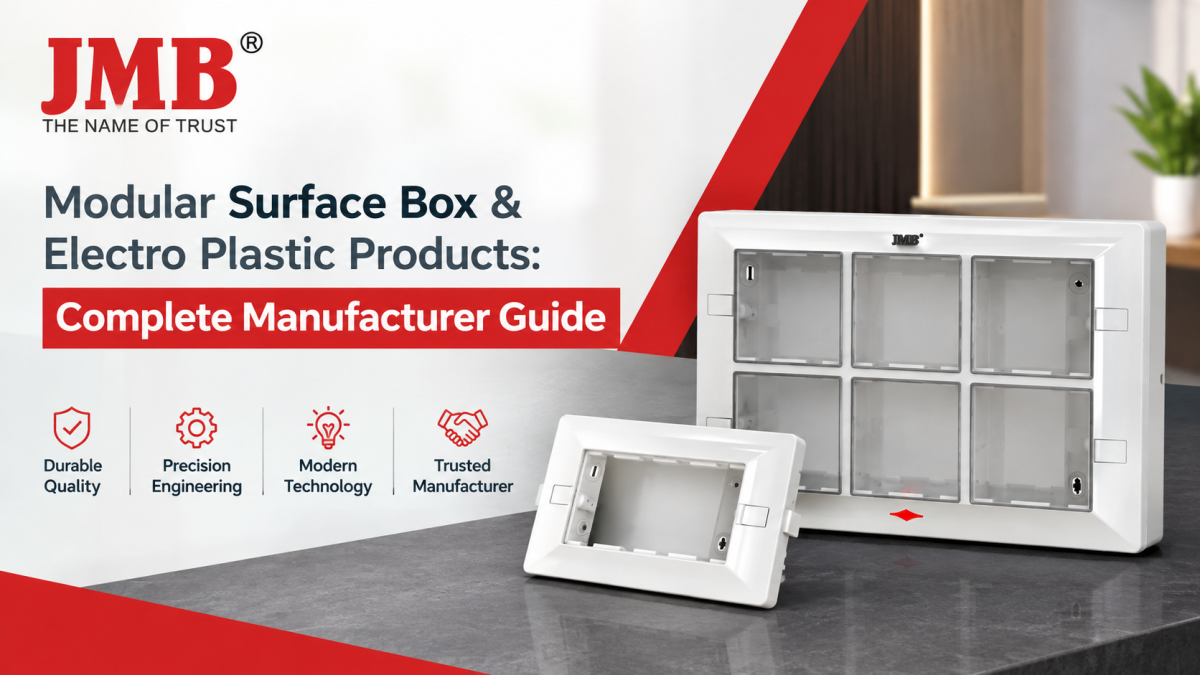
Modular Surface Box & Electro Plastic Products: Complete Manufacturer Guide

Behind every clean modular switchboard sits a plastic enclosure that nobody talks about but everybody depends on. The surface box, the gang box, the fan plate hiding behind your ceiling fan canopy, each one is a small moulded component that quietly carries the weight of your wiring, your switches, and sometimes your fan itself. This complete guide walks through the full landscape of electro plastic products in 2026, covering materials, sizes, sourcing practices, and what separates a reliable manufacturer from a cheap imitator.

If you are an electrician planning a new installation, a contractor stocking inventory for a residential project, or a retailer looking to add plastic electrical accessories to your catalogue, understanding how these components are made and specified will save you from countless site-level headaches later.

What Falls Under Electro Plastic Products

Before comparing manufacturers, it helps to map out what the category actually covers. An established Electro Plastic Products Manufacturer typically produces a wide range of moulded electrical accessories, each designed for a specific position inside the wiring system.

Common items in the category include:

  • Modular surface boxes in 1M, 2M, 3M, 4M, 6M, 8M, 12M, and 18M sizes
  • Concealed gang boxes for in-wall installation
  • PVC and GI metal variants for different wall types
  • Polypropylene fan sheets and ceiling fan plates
  • Blank plates and dummy modules
  • Junction boxes and conduit accessories

The full catalogue of Electro Plastic Products typically covers these across multiple sizes and finishes, allowing contractors to source everything from a single supplier instead of chasing individual components from different vendors.

Modular Surface Box: The Workhorse of Every Switchboard

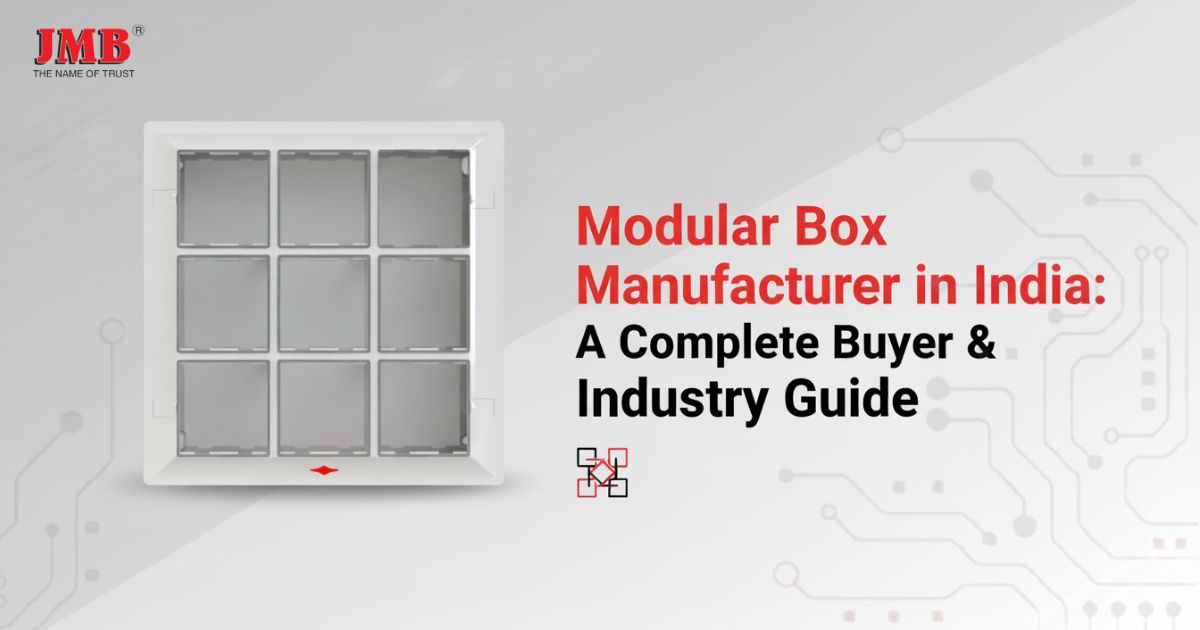
A Modular Box Manufacturer builds enclosures that fit standard modular plates holding switches, sockets, regulators, and dimmers. These boxes are categorised by the number of modules they can accommodate.

Box Size

Module Capacity

Typical Use

1M

1 switch or socket Single light point

2M

2 modules Bedroom light with regulator

3M

3 modules Living room grouping

4M

4 modules Kitchen counter boards

6M

6 modules Entry hall switchboards

8M

8 modules Master bedroom panels

12M to 18M

Multi-module Commercial installations

Surface-mount boxes attach directly to the wall surface and are commonly used in retrofit projects where cutting into existing walls isn’t practical. Concealed variants install inside wall cavities during fresh construction.

For projects requiring reliable surface-mount enclosures, options from the Modular Surface Box catalogue offer standardised dimensions that fit all major modular plate brands available in India.

Material Choice

Surface boxes come in two main material families:

PVC (Polyvinyl Chloride): Lightweight, flame-retardant, and resistant to moisture. Ideal for domestic and light commercial use.

GI (Galvanised Iron): Metal-bodied boxes used where fire regulations require non-combustible enclosures, such as industrial sites and public buildings.

A quality PVC Modular Box typically uses virgin-grade polymer with proper UV stabilisers so it does not become brittle after a few years of exposure to indoor light and temperature cycles.

Complete Your Switchboard with Matching Components

A modular box is only half the installation. Pair your surface boxes and gang boxes with coordinated switches, sockets, fan regulators, dimmers, and USB chargers — all from one trusted source. Browse our full range of modular electrical accessories designed to fit standard Indian plate dimensions.

Explore Full Catalogue

Why PVC Modular Boxes Dominate Indian Installations

PVC enclosures account for roughly 80 percent of residential installations across India. Several practical reasons explain this dominance.

Cost Efficiency

A PVC Modular Box Manufacturer can produce enclosures at a fraction of the cost of GI variants while meeting the mechanical and electrical safety requirements for domestic wiring.

Insulation Properties

PVC is naturally non-conductive, which adds a safety layer around wiring joints. This matters in homes where wall moisture can occasionally reach the boxes.

Easy Installation

PVC enclosures are lightweight and easy to cut, drill, and modify on site. Electricians can adapt them to field conditions without specialised tools.

Corrosion Resistance

Unlike metal boxes, PVC does not rust, which extends its service life particularly in coastal regions like Mumbai, Chennai, and Kochi.

Flame Retardancy

Modern PVC compounds used by reputable Modular Boxes Manufacturer in India brands include flame-retardant additives that self-extinguish if exposed to flame, meeting IS 14772 standards.

For installations in commercial or industrial settings where fire codes mandate metal enclosures, a GI Modular Box Manufacturer typically offers the same size range in galvanised steel.
“`html

Featured Products

VIEW ALL ➔

1 Modular Box

1 Modular Box


12 Modular Box

12 Modular Box


18 Modular Box

18 Modular Box


Gang Boxes and Their Variants

A Gang Box Manufacturer produces enclosures that hold multiple switches or sockets grouped together. The term “gang” refers to the number of modules the box carries side by side.

Modular Gang Box

The Modular Gang Box format follows standardised dimensions compatible with every major modular plate brand in India. This standardisation means a 6-module box from one manufacturer will accept a plate from another, which simplifies retrofit work.

Modular Surface Gang Box

The Modular Surface Gang Box variant mounts directly on the wall surface, making it the go-to choice for retrofitting older homes without channel cutting. These are especially popular in rental properties and heritage buildings.

Concealed Gang Boxes

Concealed variants install inside the wall during construction. They provide a cleaner finish since only the plate shows on the surface.

Multi-Gang Configurations

Larger multi-gang boxes accommodate 12M to 18M configurations, often used in hotel lobbies, conference rooms, and large residential master bedrooms where multiple controls group together.

An experienced Modular Gang Box Manufacturer offers all these variants under one catalogue, allowing contractors to specify boxes consistently across a project.

Polypropylene Fan Sheet and Ceiling Fan Plates

The ceiling fan canopy conceals a critical component that most homeowners never see: the fan plate. A Polypropylene Fan Sheet Manufacturer produces these moulded discs that mount flush against the ceiling, hiding the wiring hook and providing a clean finish.

Why Polypropylene?

Polypropylene (PP) is chosen over other plastics for fan plates because of three properties:

  • Impact resistance so the plate does not crack under installation stress
  • Heat tolerance since ceiling fans can run for extended hours in Indian summers
  • UV stability to prevent discolouration over years of use

A PP Fan Sheet Manufacturer typically produces these in standard diameters ranging from 150mm to 300mm, with central holes sized to accept the fan canopy securely.

Fan Plate Variants

ThePolypropylene Fan Sheet range usually covers:

  • Modular Fan Plate in matte and glossy finishes
  • Ceiling Fan Sheet variants in different diameters
  • Fan Plate Cover designs for aesthetic variation
  • Decorative Fan Plate options with embossed patterns

For contractors handling fresh installations, thefan regulator connection tutorial covers related wiring practices that pair naturally with fan plate installation.

Colour and Finish Options

A Ceiling Fan Plate Manufacturer typically offers plates in white, ivory, grey, and sometimes black finishes. Matching the plate to the ceiling colour creates a cleaner visual result than defaulting to white in every room.

Fan Sheet Thickness

Standard Fan Sheet thickness ranges from 2mm to 4mm. Thicker sheets handle vibration better but add slightly more weight to the installation.

A reliable Fan Plate Cover Manufacturer tests each batch for fit tolerance so the sheet seats flush against the ceiling without gaps.

Blank Plates and Dummy Modules

Not every switch slot gets used immediately. Blank plates fill empty modular positions on a switchplate, keeping the overall design uniform and preventing dust from entering unused openings.

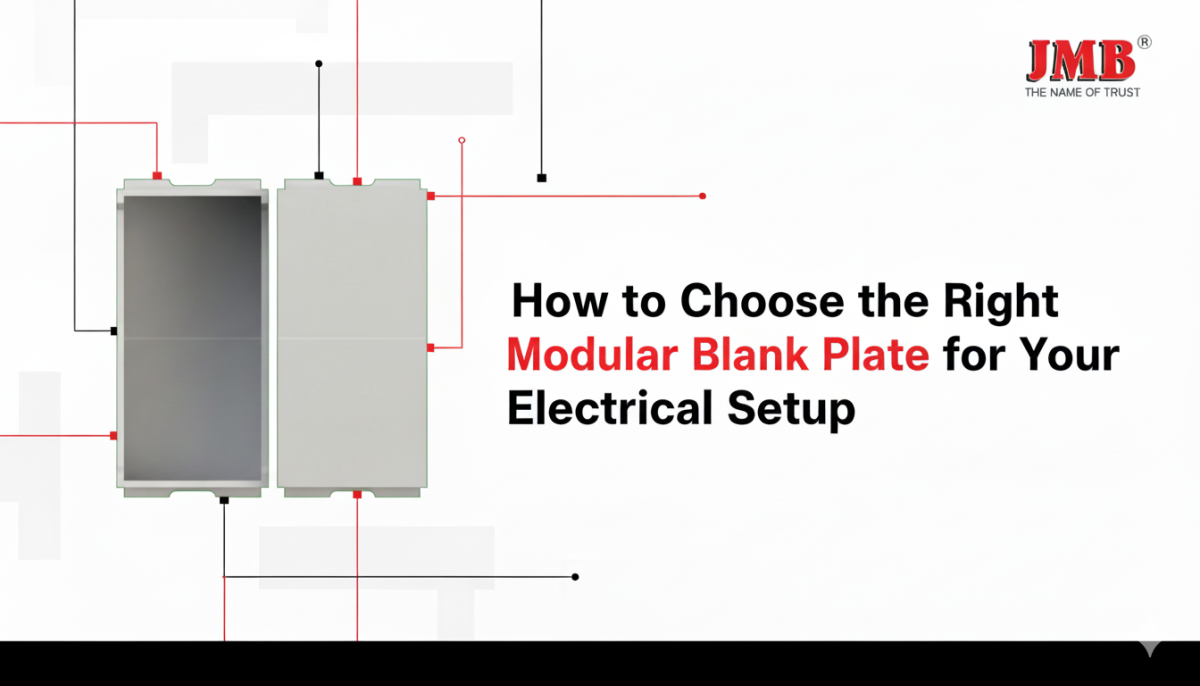
Standard sizes include 1M, 2M, 3M, 4M, 6M, 8M, 12M, and 18M options. The completeModular Blank Plate range covers these dimensions with consistent snap-fit tolerances.

Blank plates are commonly used in:

  • Future-ready installations where additional switches may be added later
  • Reorganised switchboards where fewer modules remain active
  • Design-focused layouts where symmetry matters more than function

Switch Boxes for Specific Installation Needs

Beyond standard modular enclosures, specialised Switch Boxes serve specific use cases that general-purpose boxes do not address well.

Weatherproof Boxes

For balconies, utility areas, and outdoor installations, IP54 and IP65 rated boxes keep moisture and dust out of the wiring.

Metal Clad Boxes

Industrial sites often specify metal clad enclosures for mechanical protection and compliance with factory electrical codes.

Decorative Finish Boxes

Premium residential projects sometimes specify boxes with wood-grain or metallic finishes that match the interior design.

Modular Switch Board Box Formats

The Modular Switch Board Box category covers larger configurations designed to carry entire switch arrays for a single room, including dedicated spaces for RCBOs and MCBs in some variants.

An established Electrical Gang Box Manufacturer typically produces all these variants in-house, allowing project managers to source complete switchboard assemblies from one supplier.

How to Evaluate a Manufacturer

Not every supplier produces reliable moulded electrical accessories. Here is a structured checklist for evaluating potential sources.

1. Material Grade

Ask whether the manufacturer uses virgin polymer or recycled plastic. Virgin material offers consistent mechanical properties, while recycled material may become brittle over time.

2. Mould Quality

Quality moulds produce boxes with clean edges, consistent wall thickness, and tight snap-fit tolerances. Request sample units and inspect the mould finish before confirming large orders.

3. Production Capacity

A capable Modular Electrical Box Manufacturer should handle 50,000 to 200,000 units monthly during peak construction season. Verify this before committing to project timelines.

4. Certifications

BIS marking, IS 14772 compliance, and relevant quality certifications matter for both residential retail and commercial supply contracts.

5. Catalogue Depth

A single-source supplier offering boxes, plates, fan sheets, and accessories simplifies procurement and reduces logistics overhead.

6. Delivery Network

Construction projects run on tight schedules. A supplier with reliable logistics across Gujarat, Maharashtra, Delhi NCR, Karnataka, and Tamil Nadu keeps your site stocked without delays.

Established fan regulator manufacturers in india often carry complete electro plastic ranges alongside their regulator catalogues, making them useful single-source vendors for complete switchboard supply.

Local Context and Regional Preferences

Different regions in India show distinct preferences in electro plastic sourcing.

Gujarat and Maharashtra: Strong local manufacturing clusters mean contractors prefer direct factory sourcing with shorter lead times. Ahmedabad, Rajkot, and Pune host several major moulding units.

Delhi NCR: Project volumes are high, so bulk pricing matters more than brand preference. Contractors frequently rotate between suppliers based on quarterly rates.

South India: Chennai, Bangalore, and Hyderabad markets favour BIS-certified branded products due to stricter builder specifications.

East India: Kolkata and Bhubaneswar markets value corrosion-resistant PVC heavily due to higher humidity and coastal conditions.

Understanding these regional patterns helps bulk buyers negotiate better terms with regionally established manufacturers.

Pairing Boxes with Complete Switchboard Components

A switchbox is only half of a working installation. The other half includes switches, sockets, regulators, dimmers, and USB chargers. For contractors specifying complete switchboards, pairing boxes with coordinated components keeps the installation visually and functionally consistent.

For example, a USB Socket module fits standard modular plates and complements modern switchboards where phone charging has become as common as light switching. If you are also comparing speed control options for ceiling fans in the same rooms, this breakdown on remote fans versus wall regulators offers useful context on manual versus wireless control preferences.

Specifying matching components from a single manufacturer reduces compatibility risk and simplifies warranty claims.

Bulk Procurement and Project Supply

For large residential projects, commercial buildings, and infrastructure contracts, procurement follows a different rhythm than retail buying.

Volume commitments: Carton or pallet-level quantities with per-unit pricing tiers.

Delivery scheduling: Phased dispatch aligned with construction milestones rather than one-shot delivery.

Custom packaging: OEM labelling for distributors reselling under their own brand.

Warranty terms: 12 to 24 month replacement warranty with clear defect handling procedures.

Payment terms: Credit arrangements for established contractors with proven payment history.

Bulk buyers should always request current rate sheets each quarter since raw material costs for PVC and polypropylene fluctuate with crude oil pricing trends.

Frequently Asked Questions

Q1. What size modular box do I need for a standard bedroom switchboard?

Most bedrooms use a 6M or 8M box carrying light switches, a fan regulator, and one or two sockets. For master bedrooms with additional controls, 12M configurations work better.

Q2. Is PVC or GI better for home switchboards?

PVC works well for almost all domestic installations due to its cost efficiency, insulation properties, and corrosion resistance. GI is preferred where fire codes mandate metal enclosures.

Q3. Can I mix modular plates and boxes from different brands?

Yes, as long as both follow standard Indian modular dimensions. Most reputable manufacturers follow IS specifications, making cross-brand pairing reliable.

Q4. What thickness should a polypropylene fan sheet be?

Standard fan sheets range from 2mm to 4mm thick. Thicker variants handle fan vibration better and are preferred for heavy-sweep ceiling fans.

Q5. How do I identify a quality PVC modular box?

Check for clean mould edges, uniform wall thickness, flame-retardant marking, and a solid snap-fit when the plate attaches. Brittle or thin boxes typically indicate recycled plastic content.

Q6. Where can bulk buyers source electro plastic products in India?

Gujarat, Maharashtra, and Delhi NCR host the largest manufacturing clusters. Direct factory sourcing typically offers better pricing and lead times than multi-tier distribution.

Q7. Do fan plates come in different colours?

Yes. Standard options include white, ivory, grey, and black. Custom colours may be available for large project orders.

Final Thoughts and Next Steps

Electro plastic products rarely get the attention they deserve, yet they form the backbone of every switchboard, every ceiling fan installation, and every wiring termination inside your home or office. Choosing the right box, the right material, and the right manufacturer protects your wiring investment for decades and saves you from the compounding cost of early replacements.

For contractors, retailers, and project managers planning bulk procurement in 2026, aligning with a manufacturer offering the full category under one roof simplifies logistics and keeps your installations consistent across sites.

Ready to request a product catalogue, sample units, or project-based wholesale pricing? Connect with us today at Sai Electronics India and our team will share detailed specifications, size charts, and dispatch terms covering the complete electro plastic range from modular boxes to polypropylene fan plates. For project managers planning phased delivery across multiple sites, our logistics team can structure dispatch schedules aligned with your construction timeline.

Bulk & Project Supply

Ready to Source Electro Plastic Products in Bulk?

Whether you are an electrician, contractor, or retailer — we supply modular surface boxes, gang boxes, fan sheets, blank plates, and complete switchboard components at factory-direct pricing. Request a catalogue, sample units, or project-based wholesale rates today.
Request Quote & Catalogue

Categories
Blogs fan dimmer manufacturer Fan Regulator Manufacturing Fan Sheet manufacturer rotary dimmer manufacturer

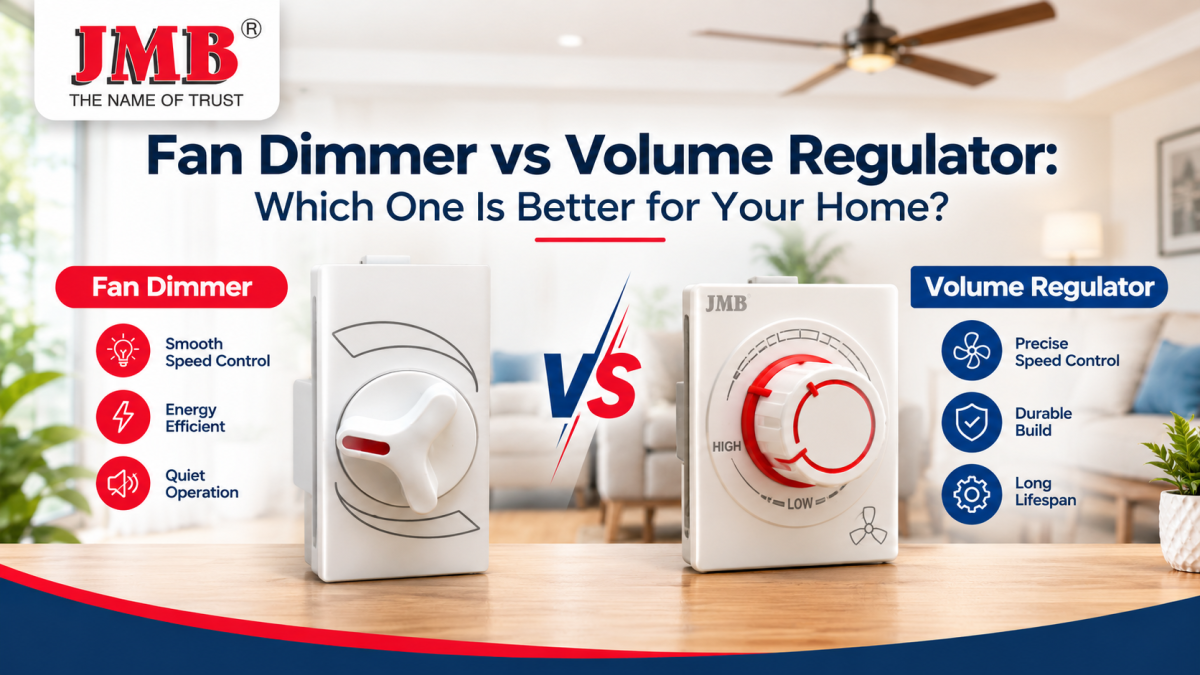
Fan Dimmer vs Volume Regulator: Which One Is Better for Your Home?

If you have ever stood in front of a switchboard aisle wondering whether to pick a dimmer-style knob or a step-based volume regulator for your ceiling fan, you are not alone. Both look similar from a distance, both control fan speed, and both occupy roughly the same slot on your switchplate. The real difference sits inside the module, and it affects everything from how quietly your fan runs to how long the controller lasts. This comparison walks through fan dimmers and volume regulators side by side, with a specific focus on the popular 1 modular fan dimmer regulator format that dominates Indian switchboards in 2026.

Whether you are renovating a single room or specifying switchgear for an entire building project, understanding the distinction helps you avoid buying something that doesn’t quite match your fan or your switchboard style.

Quick Answer: Which One Should You Pick?

For most Indian homes using standard induction-motor ceiling fans, a 1M rotary fan dimmer offers smoother speed control, quieter operation, and a cleaner look on modular switchboards. A volume-type regulator works better for users who want step-based clicks and predictable settings. If you value fine-tuning airflow during varying weather, pick the dimmer. If you share the fan with family members who prefer “set and forget” speeds, pick the volume type.

That short answer covers 80 percent of buyers. The rest of this guide walks through the technical reasoning so you can decide confidently for your specific setup.

What Is a Fan Dimmer?

A fan dimmer is an electronic speed controller that adjusts fan voltage smoothly through a continuous rotary knob. Unlike older dimmers used for incandescent bulbs, a modular fan dimmer 1 module is engineered specifically for inductive loads, meaning it accounts for the motor’s reactive characteristics without producing hum or vibration.

Inside the module, a triac combined with a snubber circuit handles the switching. The result is a quiet, step-less adjustment where you can tune the fan speed to exactly where you want it rather than jumping between fixed levels.

Key traits of a fan dimmer:

  • Continuous rotary adjustment with no clicks
  • Electronic triac-based switching
  • Compact 1M profile that fits standard modular plates
  • Lower energy use at reduced speeds
  • Minimal heat generation during long operation

For buyers specifying 1M fan dimmer controller stock for a project, the compact form factor is one of the biggest practical advantages, since it leaves more room on the plate for additional switches or sockets.

Explore Our Complete Range of Fan Dimmers & Volume Regulators

From smooth 1M rotary fan dimmers to step-based volume regulators — browse our full collection of modular fan speed controllers and find the perfect fit for your switchboard.

Visit Shop

What Is a Volume Regulator?

A volume regulator, often called a step-type regulator, controls fan speed through fixed settings arranged like the volume dial on an old radio. Each click moves the fan through a defined speed level, usually marked 0 through 4 or 0 through 5.

Volume regulators rely on tapped inductors or capacitor networks that switch distinct voltage levels to the motor. The settings are repeatable, which many users find comforting because the same number always produces the same airflow.

Common characteristics:

  • Fixed step positions with audible or tactile clicks
  • Capacitor or inductor-based speed control
  • Available in 1M and 2M sizes for modular switchboards
  • Clear speed indication through numbered dial
  • Longer track record in Indian wiring systems

The complete Volume Fan Regulators range covers both 1M and 2M formats along with switch-type variants for different installation needs.

Side-by-Side Comparison

Here is a direct comparison across the factors that matter most when choosing between the two.

Feature Fan Dimmer Volume Regulator
Control style Smooth rotary Fixed clicks or steps
Speed precision Infinite adjustment 4 or 5 fixed levels
Noise level Very quiet May click audibly
Module size 1M standard 1M or 2M options
Energy efficiency High at low speeds Moderate
Repeatability User memory needed Exact position marked
Typical cost Slightly higher Entry-level affordable
Best suited for Bedrooms, studies, hotels Family rooms, rentals, offices

Each product serves a specific preference. Neither is universally better; the right choice depends on how you use the fan daily.

When a Fan Dimmer Makes More Sense

A 1 modular rotary dimmer regulator is the better pick in several common scenarios.

Bedrooms and Nurseries

Smooth speed adjustment matters when you want to reduce airflow by a tiny amount in the middle of the night without a loud click waking anyone. A hum free modular fan dimmer handles this cleanly.

Hotels and Hospitality

Guest rooms benefit from continuous dimmer-style tuning because preferences vary widely between guests. A 1 module fan speed dimmer gives housekeeping a reliable, quiet controller that handles frequent setting changes.

Studies and Reading Spaces

If you work at a desk for long hours, being able to adjust airflow by small increments keeps you comfortable through shifting ambient temperatures. The electronic fan dimmer modular format is ideal here.

Compact Switchboards

If your switchplate already carries multiple switches, a 1M fan dimmer manufacturer typically offers slimmer modules that fit alongside USB chargers and sockets without crowding. For buyers aligning dimmers with ceiling fan setups, this comparison on remote fans versus wall regulators adds useful context on manual control preferences.

When a Volume Regulator Fits Better

Volume regulators remain the default choice for several practical reasons.

Shared Family Rooms

When multiple family members adjust the same fan, having fixed speed settings prevents the “who changed it” problem. Everyone can agree that “setting 3” means a specific airflow.

Rental Properties

Landlords and property managers prefer volume regulators because tenants find them familiar and intuitive. Replacement is straightforward, and the 1 Modular Volume Regulator format fits standard plates without needing custom wiring.

Older Wiring Systems

Homes with older wiring sometimes exhibit voltage fluctuations that confuse electronic dimmers. A capacitor-based volume unit tolerates these variations more consistently.

Larger Switchplates

For boards with ample space, a 2 Modular Volume Regulator gives a bigger, more tactile knob that older users find easier to grip and turn.

Workshop and Utility Rooms

A Switch Type Volume Regulator combines on-off switching with speed control in one module, which saves space on compact utility boards.

Technical Considerations

Beyond daily use, there are specific technical details worth checking before buying.

Voltage Rating

Both categories typically operate at 220V to 230V AC, 50Hz. A 220V modular fan dimmer 1M handles standard Indian supply conditions, but if your area experiences frequent voltage swings, a volume regulator with capacitor-based control tends to behave more predictably.

Load Capacity

Most ceiling fans in India draw 55W to 80W. A rotary fan dimmer 1 modular rated at 100W handles this comfortably. For heavy-sweep fans drawing 100W or more, verify the module’s rated load before purchase.

Build Material

A polycarbonate 1M fan dimmer regulator offers better heat resistance than ABS alternatives and typically lasts longer in warmer rooms. Material quality directly affects the lifespan of the module.

Terminal Design

Push-fit terminals speed up installation, while screw terminals offer better long-term contact under vibration. Both are acceptable; the choice depends on installer preference.

Compatibility with Modular Plates

Most 1M units from reputable brands follow Indian modular standards and fit cleanly into standard plates. If you are using a specific wall plate 1M fan dimmer design, confirm the module clip style matches your existing frame.

For installers handling fresh wiring, the detailed fan regulator connection tutorial walks through step-by-step wiring that applies to both dimmers and volume regulators.

Installation and Replacement

Swapping between dimmer and volume regulator formats is usually straightforward because both follow the same 1M modular footprint. A few practical pointers:

  • Switch off the mains supply before opening the switchbox
  • Note the existing wire connections before disconnecting
  • Match live and neutral correctly, as some dimmers are polarity sensitive
  • Leave at least 15mm clearance behind the module for ventilation
  • Tighten terminals firmly to avoid arcing and heat buildup

For homes with mixed room needs, many buyers install dimmers in bedrooms and volume regulators in living areas. This gives each space the control style that matches its usage pattern.

If you plan to upgrade the complete switchboard, pairing your regulator choice with a complete catalogue from established fan regulator manufacturers in india simplifies procurement since you can source dimmers, volume units, switches, and sockets together.

Pricing and Bulk Buying Context

Retail buyers usually choose between dimmers and volume regulators based on preference. Contractors and project managers, however, factor in volume pricing, warranty terms, and supplier reliability.

A reliable modular fan dimmer manufacturer India should offer:

  • Carton-level pricing with clear per-unit cost tiers
  • 12 to 24 month replacement warranty
  • Consistent production throughout the year
  • OEM packaging for private-label buyers
  • Sample batches before large orders

Bulk 1 modular fan dimmer supplier contracts typically run quarterly, with pricing adjusted for copper and polycarbonate input costs. For procurement across Gujarat, Maharashtra, Delhi NCR, and South India, local manufacturer networks reduce shipping lead time and simplify warranty handling.

Retailers stocking both ceiling fan dimmer 1 module and volume variants benefit from one-stop sourcing. Catalogues from the broader Fan Regulators range typically cover both formats alongside step-type and cooler variants.

Common Buyer Confusions Cleared

A few questions come up repeatedly when buyers compare dimmers and volume regulators. Here are the clarifications.

“Isn’t a dimmer the same as a light dimmer?”

No. Light dimmers handle resistive loads, while a 1 module fan regulator dimmer is engineered for inductive motor loads. Using a light dimmer on a fan causes humming and may damage the motor over time.

“Will a dimmer save me more electricity?”

Yes, especially at lower speeds. Electronic dimmers reduce actual power draw rather than simply resisting current, so you see real savings when the fan runs at reduced speed for long hours.

“Can I use any brand’s module in my plate?”

Most Indian modular plates follow standard dimensions, so 1M modules from reputable brands fit interchangeably. Confirm the clip mechanism matches your frame before purchase.

“Which lasts longer?”

Both categories offer similar 5 to 10 year lifespans when quality units are used. Build material and operating conditions matter more than category.

“Does step control reduce motor life?”

No. A properly designed modular rotary dimmer fan regulator and a well-made volume unit both protect the motor equally. Poor quality units of either type can shorten motor life through voltage spikes.

Frequently Asked Questions

Q1. Is a fan dimmer better than a volume regulator for a bedroom?

Yes. Smooth adjustment and silent operation make the modular fan regulator dimmer format well suited for bedrooms where you may change speed subtly through the night.

Q2. Can I use a 1M fan dimmer with a BLDC fan?

Most BLDC fans have built-in electronic speed control and do not require an external dimmer. Check your fan’s manual before buying any external controller.

Q3. What is the main benefit of a 1 module format?

Compact footprint. A 1M volume fan regulator or dimmer frees up switchplate space for other modules like sockets, USB chargers, and switches.

Q4. Do dimmers hum when the fan runs?

Quality dimmers do not hum. If you experience humming, the dimmer is likely a light dimmer being used on a fan, or a low-quality unit without proper snubber filtering.

Q5. Which type is cheaper?

Volume regulators are typically slightly cheaper at retail. For bulk procurement, the price difference narrows significantly.

Q6. Can I replace a volume regulator with a dimmer in the same slot?

Yes, as long as both follow the 1M modular footprint. The wiring terminals are also typically similar, making the swap straightforward.

Q7. Where can I buy these in bulk in India?

Direct sourcing from manufacturers in Gujarat, Delhi NCR, or Maharashtra typically offers the best pricing. Established suppliers also offer OEM packaging and project-based delivery timelines.

Final Thoughts and Next Steps

Choosing between a fan dimmer and a volume regulator comes down to how you prefer to interact with your fan every day. If you want infinite speed control, silent operation, and a modern feel, the dimmer wins. If you want fixed, predictable settings that everyone in the house can agree on, the volume regulator remains the practical pick. Both categories have matured significantly in the Indian market, and quality units from reliable manufacturers now last for years without issue.

For buyers planning a renovation or stocking inventory, consider mixing both types across different rooms rather than committing to one format throughout the home. Bedrooms benefit from dimmers, while shared family spaces work better with volume units.

Ready to request a product catalogue, compare specifications, or get pricing for your project? Get in touch with our team at Sai Electronics India and we will share detailed datasheets, sample units, and bulk procurement terms for both dimmer and volume regulator ranges. Our specialists can help match the right module to your switchboard setup and recommend configurations suited to your specific installation.

Get In Touch

Ready to Source the Right Fan Dimmer or Volume Regulator?

Whether you need bulk quantities for a housing project, OEM private labelling, or sample units for testing — our team is ready to assist you with pricing, specifications, and project-based quotations.

Contact Us Now

Categories
4 Step Fan Regulator 5 Step Fan Regulator 5 Step Fan Regulator Manufacturer 7 Step Fan Regulator manufacturer Blogs cooler regulator manufacturer fan dimmer manufacturer fan plate cover manufacturers

Cooler Regulator Complete Guide: Best Speed Control for Air Coolers in 2026

An air cooler works hardest during April to July across most of India, and the small knob controlling its fan speed often decides whether the room feels pleasantly breezy or uncomfortably noisy. Unlike ceiling fan regulators, a cooler regulator handles higher wattage, longer running cycles, and heavier motor loads, which is why using the wrong unit can shorten your cooler’s life within a single season. This complete guide walks you through everything that matters in 2026, from wattage ratings and knob types to wiring compatibility and sourcing the right supplier for bulk or domestic needs.

Whether you run a workshop with industrial coolers, operate a hardware shop stocking seasonal electrical goods, or simply want a quieter desert cooler at home, matching the regulator to the motor is the single most important decision you can make.

What a Cooler Regulator Actually Does

A cooler regulator controls the speed of the fan motor inside an air cooler by varying the voltage reaching the windings. Air cooler motors typically draw more current than ceiling fans because they also need to push air through wet pads, which creates additional load. A standard fan regulator rated at 100W would overheat quickly if connected to a 180W cooler motor.

The cooler motor speed regulator you choose directly affects three things:

  • Airflow quality across different speed settings
  • Energy consumption during long summer afternoons
  • Motor temperature during continuous 8 to 12 hour operation

Modern electronic variants replace older resistive coils with triac-based switching, which keeps the regulator cool and extends the life of both the controller and the cooler motor. For most residential buyers in India, a 1000W cooler regulator rating is more than enough, while industrial setups may require higher thresholds.

Why Air Cooler Regulators Differ From Fan Regulators

Many first-time buyers assume any speed controller will work with any motor. That assumption often leads to burnt regulators within weeks. Here is why the two categories are built differently.

Load Capacity

A ceiling fan motor draws roughly 55W to 80W. A desert cooler motor can draw anywhere between 150W and 400W, and industrial coolers push even higher. An air cooler regulator is engineered with heavier internal components, bigger heatsinks, and reinforced terminals to handle this consistent load.

Running Cycle

Ceiling fans typically run intermittently through the day. Coolers often run for 6 to 12 continuous hours during peak summer. The electrical cooler regulator inside your switchboard must dissipate heat efficiently across that entire window without failure.

Starting Current

Cooler motors require a higher starting current to spin the heavier blade assembly. A specialised air cooler voltage regulator handles this inrush without tripping or burning out the triac.

If you are curious about how modern remote-based alternatives compare to manual knobs, this breakdown on wall-based versus remote speed control explains the operational differences clearly.

Explore Our Complete Range of Cooler Regulators

From rotary knobs and step-type controllers to heavy-duty 1000W dimmer units — browse our full collection of cooler fan regulators built for desert coolers, room coolers, and industrial applications.

Visit Shop

Types of Cooler Regulators Available in 2026

The Indian market offers several variants, each suited to a specific use case. Understanding these before you buy prevents mismatched purchases.

Rotary Cooler Regulators

The rotary cooler regulator is the most common type found in Indian homes. A continuous knob adjusts the speed smoothly without clicky steps. Users who prefer gradual airflow tuning tend to choose this style.

Step-Type Cooler Regulators

These offer fixed speeds, usually 4 or 5 steps. They give you clear, repeatable settings so you can match the same comfort level every evening. Many hostels, offices, and rental properties prefer step types for their predictability.

Modular Cooler Regulators

Modular variants fit into standard switchplates alongside sockets and switches. They work well for new homes where the switchboard follows a uniform modular design. If you are expanding your switchboard layout, pairing modular controllers with matching Cooler Regulators keeps the aesthetic consistent.

Industrial Cooler Fan Regulator Units

For workshops, factories, warehouses, and large commercial spaces, an industrial cooler fan regulator is built to handle motors above 500W with reinforced casing and higher ampere ratings. These are rarely sold at retail counters and typically come through a direct cooler fan regulator supplier.

Electronic vs Resistive

Older resistive regulators are cheaper but waste energy as heat, often becoming uncomfortably warm during use. An electric cooler regulator with electronic switching stays cool, uses less power at lower speeds, and lasts significantly longer. In 2026, electronic variants are the default choice for almost every buyer.

How to Choose the Right Cooler Fan Regulator

Picking the correct cooler fan controller comes down to five practical checks. Here is a structured approach that works for both home users and bulk buyers.

1. Match the regulator wattage to your cooler motor.

Check the motor nameplate on your cooler. If it says 180W, pick a controller rated at least 300W to leave safe headroom. For large desert coolers, a 1000 watt cooler regulator variant is often the right choice.

2. Check voltage compatibility.

Indian domestic supply runs at 230V AC, 50Hz. A 220V cooler regulator rated for Indian voltage tolerances works fine across most regions, including areas with mild voltage fluctuations.

3. Decide between knob and step control.

If you want granular tuning, a rotary knob regulator feels more natural. If multiple family members use the same cooler, step types give consistent, memorable settings.

4. Verify terminal quality.

Push-fit or screw terminals both work, but tighter screw connections handle vibration from running coolers better over the long term.

5. Think about placement.

If the regulator sits inside the cooler cabinet, choose a sealed knob variant to protect against water splash. If it sits on the wall, a modular design integrates cleanly with the rest of your switchboard.

For installers running fresh wiring, this detailed step-by-step wiring tutorial covers connection techniques that apply equally to cooler regulator installations.

Wattage and Rating Guide

Here is a quick reference table buyers can use to match a controller to their cooler size.

Cooler Type Motor Load Recommended Regulator
Personal cooler 80W to 120W 200W rotary controller
Room cooler 120W to 180W 300W to 500W electronic unit
Desert cooler 180W to 350W 600W to 1000W heavy-duty
Industrial cooler 400W and above Custom industrial variant

The desert cooler speed regulator category is the largest-selling segment in India because desert coolers dominate the mid-size home market across Gujarat, Rajasthan, Maharashtra, Madhya Pradesh, and parts of South India.

Installation and Wiring Basics

A manual cooler speed regulator may look simple, but incorrect wiring causes most early failures. A few essential practices every installer should follow:

  • Switch off mains supply before opening any connection
  • Confirm live and neutral polarity before wiring the terminals
  • Keep the regulator at least 300mm away from the cooler water tank to avoid moisture damage
  • Use copper wire of at least 1.5 sq mm cross-section for cooler loads
  • Ensure the regulator has enough airflow around it to dissipate heat
  • Tighten terminal screws firmly to prevent loose contacts and arcing

For homes using multiple speed controllers across different rooms, you may also want to compare models from the 7 Step Regulators range for ceiling fans, since many households buy both categories together before summer.

If the cooler has a built-in control panel from the manufacturer, replacing it with an external wall-mounted regulator may require minor rewiring. Hiring a licensed electrician for first-time installation is the safer route.

Buying from Cooler Regulator Manufacturers and Wholesale Suppliers

For contractors, electrical goods retailers, cooler assemblers, and project buyers, sourcing directly from established Cooler Regulator Manufacturers saves significantly on per-unit cost. Instead of buying boxed retail stock, you can request carton-level packaging, custom labelling, and dispatch aligned with your project timeline.

Here is what to evaluate when shortlisting an Air Cooler Regulator Manufacturer or a cooler fan regulator manufacturer India relies on for seasonal stock.

  • Production capability. Serious suppliers run assembly lines producing 30,000 to 100,000 units monthly during pre-summer months. Ask for current production capacity before placing a bulk order.
  • Compliance and certifications. BIS marking, RoHS compliance, and relevant quality certifications matter for both residential retail and commercial supply contracts.
  • Range availability. A capable Cooler fan Controller Manufacturers list should include rotary, step, modular, and industrial variants under one roof. Buying across categories from a single source simplifies logistics.
  • Sample policy. Reliable air Cooler fan Regulator Manufacturers typically send a free or paid sample batch before confirming large orders. This helps you test real-world performance before committing capital.
  • Warranty terms. Standard warranty for cooler regulators ranges from 12 to 24 months. For bulk buyers, the replacement process should be clearly documented.
  • Delivery reach. Cooler season demand peaks sharply between February and June. A supplier offering reliable logistics across North, West, and Central India keeps your inventory stocked during the busiest window.

Retailers in Gujarat looking for Cooler Regulator in Ahmedabad can usually source directly from local manufacturers without going through multi-level distribution, which further reduces cost. Buyers seeking cooler regulator wholesale India pricing should request current price sheets each quarter, since copper and plastic input costs shift with raw material trends.

Established fan regulator manufacturers in india typically carry both ceiling fan and cooler speed controller inventory, making them a convenient single-source vendor for seasonal procurement.

Common Mistakes Buyers Make

A few patterns show up repeatedly in warranty returns and customer complaints. Avoiding these will extend your regulator’s life significantly.

  • Using a 100W fan regulator for a 200W cooler motor
  • Installing the regulator inside a humid cooler cabinet without sealing
  • Ignoring loose terminal connections during the first week
  • Choosing resistive units purely to save a few rupees
  • Running the cooler at low speed continuously, which can heat older regulators

For homes mixing cooler regulators with other speed controllers, pairing them with coordinated designs from the Volume Regulators category creates a visually consistent switchboard.

Energy Efficiency and Running Cost

A cooler running 8 hours a day at full speed consumes substantial electricity through a season. Choosing an electronic air cooler fan speed controller instead of a resistive one can cut 5 to 10 percent off your monthly cooler energy use, especially when operated at medium or low speeds during cooler nights.

Here is a rough estimate for context:

  • Cooler motor rated 180W, 8 hours daily, 90 days per summer
  • Electronic regulator at medium speed: approximately 108 units saved across the season
  • Resistive regulator: full-load current regardless of knob setting

Over three summers, the electronic variant typically pays for itself through electricity savings alone, before you even account for its longer service life.

Frequently Asked Questions

Q1. Can I use a regular fan regulator with my air cooler?

No. Fan regulators are rated for 80W to 100W loads, while cooler motors draw 150W to 400W. Using a fan regulator causes overheating and early failure. Always use a dedicated cooler fan controller regulator rated for the correct wattage.

Q2. What wattage cooler regulator should I buy for a desert cooler?

Most desert coolers in India draw 180W to 350W. A 600W to 1000W cooler regulator provides safe headroom for continuous summer operation.

Q3. Are electronic cooler regulators better than resistive ones?

Yes. Electronic units stay cool, waste less energy, and typically last 3 to 5 times longer than older resistive regulators.

Q4. Can I install a cooler regulator myself?

Simple replacements are possible if you switch off the mains first and understand basic wiring. For new installations or if you are unsure about live-neutral identification, hiring a certified electrician is safer.

Q5. How long does a quality cooler regulator last?

A well-made electronic cooler regulator lasts 5 to 8 years under normal domestic use. Industrial variants running longer cycles may need replacement sooner depending on duty load.

Q6. Is there a difference between a rotary and step cooler regulator?

Yes. Rotary types give smooth continuous adjustment through a knob, while step types offer fixed speeds like Low, Medium, and High. Both work well; the choice depends on user preference.

Q7. Where can bulk buyers source cooler regulators in India?

Direct manufacturer sourcing from industrial clusters in Gujarat, Delhi NCR, and Maharashtra typically offers the best pricing and consistent year-round supply.

Final Thoughts and Next Steps

A cooler regulator may be the smallest component in your summer cooling setup, but it quietly controls comfort, energy use, and the lifespan of a cooler that cost many times more. Choosing the right wattage, verifying the terminal quality, and sourcing from a trusted manufacturer protects both your investment and your evenings through the hottest months.

Whether you need a single rotary unit for a home cooler or carton-level supply for a retail outlet, matching the specification to the actual motor load is the step most buyers overlook. Use the wattage table and installation checklist above as a reference before placing your next order.

Ready to request a product catalogue, sample units, or project-based wholesale pricing? Connect with us today at Sai Electronics India and our team will share the full range of cooler speed controllers, including industrial variants, modular designs, and OEM packaging options tailored to your requirement. For buyers planning seasonal inventory, placing your order ahead of the February demand surge ensures timely dispatch across all major Indian states.

For a broader view of related speed control categories, the full All Fan Regulators catalogue covers every variant you may need alongside your cooler controller purchase.

Get In Touch

Ready to Source the Right Cooler Regulator?

Whether you need bulk quantities for a seasonal retail outlet, OEM private labelling, or sample units for testing — our team is ready to assist you with pricing, wattage specifications, and project-based quotations.

Contact Us Now

Categories
Blogs fan dimmer manufacturer Fan Regulator Manufacturing rotary dimmer manufacturer

Hum-Free Modular Fan Dimmers: A Guide for Bulk Buyers

Why Fan Noise Still Frustrates Indian Households

Ceiling fans run for most of the day across Indian homes, shops, and offices, yet many buyers still deal with a low buzzing sound coming from the wall panel rather than the fan itself. That hum usually traces back to an outdated regulator design, not the fan motor. Modern electronic circuitry has largely solved this problem, and a 1 modular fan dimmer regulator or a 2 modular fan dimmer regulator is now the standard fix wherever quiet operation matters, whether that’s a bedroom, a hospital ward, or a hotel lobby.

This guide walks through what separates a genuinely hum-free unit from a cheaply made one, compares the single-module and dual-module formats, and explains what matters if you’re sourcing in volume rather than buying one piece for your own home. For readers who want to see the full range of control styles before going further, the Fan Dimmer Regulator in India category covers every format discussed here.

Understanding the Difference Between 1M and 2M Formats

Modular fan regulators are sold by the number of switchboard slots they occupy. A 1M rotary fan dimmer takes up a single module on the plate, making it the right pick for compact switchboards, rental flats, or rooms with only one fan point. A 2M rotary fan dimmer, on the other hand, spans two modules and typically pairs a rotary knob with a light switch or accommodates two separate dimming controls side by side.

Electricians and contractors often choose based on the board layout that’s already fixed rather than personal preference. If the plate has limited space, modular fan dimmer 1 module units solve the problem without requiring any rewiring of the board. Where the board has room, a 2 module fan regulator dimmer offers a cleaner combined look for fan and light control on one plate.

Where the 1M Format Fits Best

  • Single-fan bedrooms and study rooms
  • Rental properties where board space is limited
  • Retrofitting older homes with narrow switchboard cutouts
  • Budget renovation projects that need one dimmer per room

Where the 2M Format Fits Best

  • Living rooms or halls with combined fan-and-light control
  • Offices with dual fan points on a shared panel
  • New construction where boards are planned with extra module space
  • Buyers who want a matched, symmetrical panel appearance

Explore Our Hum-Free Modular Fan Dimmers

Looking for silent operation and reliable performance? Browse our full collection of 1M and 2M modular rotary dimmers, engineered for smooth, hum-free speed control across homes and offices.

Visit Shop

What Actually Causes That Buzzing Sound

The hum in older or poorly made dimmers usually comes from one of three sources: a cheap triac that isn’t properly filtered, a loose-wound choke coil, or a casing that doesn’t dampen internal vibration. A well-engineered hum free modular fan dimmer addresses all three through a stabilized circuit design, a tightly wound coil, and a solid polycarbonate housing that absorbs rather than amplifies vibration.

This matters more than most buyers realize during the wiring stage. A regulator that hums at low speed settings is often mistaken for a fan problem, leading to unnecessary motor servicing when the real fault sits inside the switchboard. Choosing a polycarbonate 1M fan dimmer regulator from the start, such as the 1M V Classic Rotary Fan Regulator Dimmer, avoids that confusion and the repeat service calls that come with it.

Wattage, Load Handling, and Everyday Reliability

Most modular fan dimmers on the market are rated for standard ceiling fan loads, generally in the range suited to fans between 60 and 80 watts. Running a unit consistently near its upper limit is one of the more common reasons dimmers overheat or fail early. When comparing a 1M fan dimmer manufacturer‘s specification sheet against another, check the rated wattage against the actual fan being installed, not just the general product category.

For long-term reliability, three factors matter beyond the wattage rating:

  1. Build quality of the internal choke – a well-wound choke reduces heat buildup during continuous use.
  2. Contact material inside the rotary switch – affects how smoothly the knob turns after months of daily use.
  3. Casing fit and screw terminal quality – loose terminals are a leading cause of arcing and early failure in budget units.

A 220V modular fan dimmer 1M or 2M unit built with these three factors addressed tends to outlast cheaper alternatives by several years, even under continuous daily operation in warm Indian climates.

Rotary Knob vs Switch-Style Control

Rotary knob dimmers remain the most common format because the control feels intuitive and gives stepless speed adjustment rather than fixed notches. A fan dimmer knob 1 modular design lets users fine-tune fan speed to match room temperature or personal comfort, which is particularly useful in shared spaces like offices or waiting areas where preferences vary through the day.

Some buyers instead prefer a fixed-step or switch-based control for simplicity, especially in commercial settings where consistency matters more than fine adjustment. The switch type fan dimmer regulator range covers exactly this need, built to the same internal quality standard as the rotary line so the choice comes down to user preference rather than durability.

What Bulk Buyers Should Check Before Ordering

Contractors, electrical retailers, and facility managers sourcing in volume face a different set of concerns than a homeowner buying one unit. Consistency across a large order matters just as much as individual unit quality, since even small variations in a batch can create service headaches down the line.

Before placing a bulk 1 modular fan dimmer supplier order, or the equivalent for 2M units, it helps to verify the following:

  • Sample testing across a few units from the same batch, not just one piece
  • Written wattage and voltage specifications matching the installation site’s requirements
  • Warranty terms that apply specifically to bulk or trade orders
  • Consistent knob and plate finish across the full batch, since mismatched finishes are a common complaint in large installations
  • Lead time commitments if the order is tied to a construction or renovation deadline

A reliable modular fan dimmer manufacturer India sourced order should also include clear packaging that protects the rotary mechanism during transit, since damage during shipping is one of the more overlooked causes of early field failures.

Installation Considerations Worth Knowing in Advance

Even a well-built regulator can develop noise or performance issues if wired incorrectly. A few installation habits make a noticeable difference in both performance and lifespan:

  • Avoid tightening terminal screws excessively, as this can crack the internal contact plate over time
  • Keep wire runs as short and direct as practical between the board and the fan point
  • Confirm the plate cutout matches the unit dimensions before final mounting, particularly for a wall plate 1M fan dimmer, since forcing an oversized unit into a tight cutout can stress the casing
  • Test the unit at all speed settings immediately after installation, not just at maximum, since some faults only appear at lower speeds

Anyone planning to handle the wiring themselves may find it worth reviewing a step-by-step fan regulator wiring guide before starting, since incorrect polarity or loose terminals are common causes of early-life faults.

Choosing Between Rotary and Switch-Type Dimmers for Larger Projects

For projects spanning several rooms or floors, standardizing on one control format across the site usually simplifies both installation and future maintenance. Mixing rotary and switch-style modular rotary dimmer fan regulator units across a building can make replacement stock management harder, since electricians then need to carry two different spare part types.

Facility managers overseeing hostels, guesthouses, or office campuses often find it worthwhile to lock in one specification early in the project and communicate it clearly to the electrical contractor, rather than allowing room-by-room variation based on whichever stock happens to be available locally. For those weighing dimmer control against newer alternatives altogether, the comparison of remote control ceiling fans vs traditional regulators is worth a read before finalizing a site-wide spec.

Comparing the 1M and 2M Product Lines

For single-point installations, models such as the 1M V Croma Fan Regulator Dimmer are commonly specified where a compact, one-module footprint is needed. For dual-module requirements, the 2M V Classic Rotary Fan Regulator Dimmer and 2M V Croma Rotary Fan Dimmer Regulator cover the combined fan-and-light configuration described earlier in this guide.

Buyers who prefer a switch-style control rather than a rotary knob can also review the M V Classic Fan Dimmer Switch and M V CROMA Fan Dimmer listings for comparison against the rotary range.

A Practical Buying Checklist

  • Confirm whether the board space calls for a 1M or 2M format before ordering
  • Match the wattage rating to the actual fan load, not a generic estimate
  • Prioritize units built with a hum-suppressing choke and solid casing
  • For volume orders, request batch samples before confirming the full quantity
  • Keep control format consistent across a multi-room or multi-floor project
  • Verify warranty coverage applies to trade or bulk purchases specifically

Buyers who work through this checklist before ordering tend to avoid the two most common complaints reported after installation: unexpected humming and inconsistent quality across a batch. Sai Electronics India manufactures both formats covered in this guide, ranking among established fan regulator manufacturers in India for residential and bulk commercial orders alike.

Frequently Asked Questions

Why does my fan dimmer make a buzzing sound at low speed?

Low-speed humming is usually caused by an underfiltered triac circuit or a loosely wound choke coil inside the dimmer, not the fan motor itself. Switching to a unit built specifically to suppress this noise resolves the issue in most cases.

Should I choose a 1M or 2M fan dimmer for my room?

Choose based on available board space and control needs. A single fan point with no combined light control suits a 1M unit, while a room needing fan and light control together, or two separate fan points, usually calls for a 2M format.

What wattage rating should I look for?

Check the rated wattage against your fan’s actual power draw, typically between 60 and 80 watts for standard ceiling fans, and avoid running the dimmer consistently at its maximum rated load.

Do bulk orders come with different warranty terms?

Warranty terms for trade or bulk purchases can differ from single-unit retail warranties, so it’s worth confirming this in writing before placing a large order.

Can I mix rotary and switch-type dimmers in the same project?

It’s possible, but standardising on one control format across a multi-room or multi-floor project generally simplifies both installation and future spare-part management.

Get in Touch for Bulk or Retail Orders

Whether you need a single unit for a home renovation or a bulk order for a construction project, the Sai Electronics India team can help match the right specification to your requirements. Contact us to discuss wattage needs, batch samples, or delivery timelines for your next order.

Get In Touch

Ready to Source Dimmers in Bulk?

Whether you need a few units for a home renovation or large quantities for a commercial project, our team is ready to assist you with batch testing, pricing, and specifications.

Contact Us Now

Categories
7 Step Fan Regulator manufacturer Blogs

Why Choose a 7 Step Modular Fan Regulator for Your Home

Modern interior design focuses on both aesthetics and functionality, leading to a significant shift toward modular switchboard accessories. Homeowners now prioritize electrical components that blend seamlessly with their wall decor while providing superior performance. One such essential component is the 7 step modular fan regulator, which has become a staple in modern Indian households. Achieving the perfect balance of airflow is no longer a luxury but a necessity for daily comfort.

When you install a 7 step modular fan regulator, you gain precise command over your room’s environment. Unlike older models that offer limited settings, the 1 modular 7 step fan regulator provides a granular range of speeds, ensuring you stay comfortable regardless of the weather. Sai Electronics India specializes in crafting these high-performance units to meet the evolving needs of contemporary living spaces.

What is a 1 Modular 7 Step Fan Regulator?

A 1 modular 7 step fan regulator refers to a compact electrical unit designed to occupy a single module space (1M) on a standard modular switch plate. This 7 step fan control switch modular design is engineered for compatibility with all leading modular plates used in residential construction today. These units use a 220V modular fan speed controller, which allows for smooth control of ceiling fan speeds without the wear and tear that comes with non-step models.

The 1M 7 step fan regulator is specifically built to fit into tight switchboard configurations, allowing you to add more switches or sockets in the same panel. Its sleek finish and standardized dimensions make it an ideal 7 speed modular fan regulator for those who value a clean, organized electrical layout in their bedrooms or offices.

Key Benefits of 7 Step Modular Fan Regulator for Home Use

Investing in a 7 step ceiling fan regulator brings several practical advantages to your daily life.

Smooth 7 Speed Control

The primary advantage is the ability to fine-tune your air comfort. With seven distinct settings, you can go from a gentle breeze for sleeping to a powerful gust for afternoon heat. This precise fan speed adjustment makes it the perfect modular fan speed controller for ceiling fans in living rooms where multiple people have different comfort preferences.

Compact 1 Module Design

Space efficiency is a major factor in modern home planning. The compact 1 module design saves valuable switchboard space, allowing for a more streamlined wall plate. This 1 module fan regulator ensures that even small switchboards can accommodate a full range of controls without looking cluttered.

Hum-Free Operation

Traditional electronic controllers often produce an annoying buzzing sound at lower speeds. A hum free modular fan regulator 7 step unit uses stable resistive step control to eliminate this noise. This noise-free fan performance is a significant advantage of electronic fan speed controllers, particularly in quiet environments like study rooms or nurseries.

Modern Modular Look

Your electrical fittings should match your premium home interior finish. A polycarbonate modular fan regulator 7 step unit offers a high-gloss, durable surface that complements any modern modular switchboard. The robust polycarbonate material ensures the unit does not yellow or crack over time, maintaining its fresh look for years.

Energy Efficient Performance

By providing controlled fan consumption, these regulators help in reducing unnecessary power usage. When you run your fan at lower steps, a high-quality 7 step electronic fan regulator ensures that the motor consumes only the required energy, leading to better long-term efficiency and reduced strain on the fan motor.

Applications of 7 Step Ceiling Fan Regulator

The versatility of the 7 step fan regulator manufacturer grade products extends beyond just the master bedroom:

  • Homes & Apartments: Ideal for all living areas and kitchens.
  • Offices & Cabins: Provides individualized comfort for professionals.
  • Hotels & Guest Rooms: Offers a user-friendly interface for travelers.
  • Builders & Electrical Projects: A standard choice for new residential developments.
  • Modular Electrical Switchboards: Fits perfectly into any standard wall plate modular regulator setup.

Types of 7 Step Fan Regulators Available

While one modular fan regulator is the top choice for modern homes, different setups may require specific designs. Sourcing from a versatile 7 Step Fan Regulator manufacturer ensures you get the right fit for your project.

1 Modular Fan Regulator

This is the most popular residential choice. Its 7 step modular fan regulator design is perfect for those upgrading their home switches to a modern look. It is easy to snap into any 1M slot.

Open Body Regulator

For budget-conscious projects or panel mounting use, the 7 step open body fan regulator is a reliable workhorse. It is often used by switchboard manufacturers who integrate components into custom housings.

Switch Type Regulator

The 7 step switch type fan regulator offers a traditional control feel with heavy-duty durability. These are ideal for high-traffic areas that require a robust mechanical movement.

Why Choose a Reliable Fan Regulator Manufacturer

Consistent quality control is the difference between a regulator that lasts a decade and one that fails in a month. Working with fan regulator manufacturers in india guarantees that you receive products with long-durability components. Reliable manufacturers provide significant OEM manufacturing support and a 1 modular 7 step fan regulator OEM service for brands looking to expand their catalog. Whether you need a 1M fan speed regulator supplier for a single building or a 7 step modular fan regulator manufacturer India for a national supply chain, quality testing remains the most important factor.

Buying 7 Step Modular Fan Regulator for Bulk Orders

If you are an electrical dealer, contractor, or builder, sourcing a modular fan regulator wholesale is the most cost-effective path. We offer 1 modular fan regulator bulk order options that cater to large-scale electrical projects. We offer a competitive wholesale price structure for modular fan regulators, supporting distributor networks in India and electrical accessories markets in Ahmedabad. Our capacity as a fan regulator trader exporter India means we can handle large volumes for both domestic and international requirements, including 7 speed step regulator for electrical dealers looking for the latest JMB 1M 7 step regulator models.

Related Guides for Better Understanding

To help you decide between manual and automated systems, you can read our comparison with remote control regulators. While remotes are convenient, the 7 speed modular fan regulator India market still favors the reliability of manual steps. For those ready to install, our installation & wiring guide provides all the technical details needed for a safe setup of a ceiling fan regulator 1 module 7 speed unit.

Why Choose Sai Electronics India

As a leading 7 step modular fan regulator manufacturer India, we have built a strong Gujarat manufacturing base that serves the entire country. Our facility operates as a 7 step fan regulator Ahmedabad manufacturer, ensuring that every 1M 7 step fan regulator manufacturer process adheres to strict safety protocols. We offer:

  • Bulk Supply Capability: Ready inventory for bulk ceiling fan regulator supplier needs.
  • Quality Tested Products: Every step type fan speed controller B2B unit is checked for voltage stability.
  • Wide Range: From fan regulator 7 step white modular units to modular switch fan regulator accessories.

Conclusion

The transition to a 7 step fan regulator is a simple yet impactful upgrade for any modern home. It provides the hum-free, energy-efficient, and precise control that today’s lifestyle demands. By choosing a reputable 1M 7 step fan regulator manufacturer, you ensure your home remains comfortable and safe for years to come.

If you are a developer or dealer seeking a 7 step modular regulator 220V supplier or an ISI approved supplier, Sai Electronics India is your trusted partner. Contact us today for a quote on 1 Modular 7 Step Fan Regulator Wholesale or to discuss custom requirements for your next project.

Categories
7 Step Fan Regulator manufacturer Blogs

Where to Buy 7 Step Fan Regulator from Reliable Manufacturer in India?

The demand for precise airflow control has led to a massive surge in the popularity of the 7 step fan regulator across Indian households and commercial spaces. Unlike traditional stepless versions that often hum or fail prematurely, a 7 speed fan regulator offers distinct clicks that ensure consistent voltage control. Choosing a reliable manufacturer ensures you get a product that effectively manages heat and lasts for years without needing replacement.

Sai Electronics India has established itself as a cornerstone in the electrical components industry. As a dedicated 7 Step Fan Regulator manufacturer, the brand focuses on engineering components that prioritise safety and user comfort. When you source directly from a trusted factory, you eliminate the risks associated with local, unbranded regulators that could damage your fan motor.

Why Precision Fan Speed Control Matters

Selecting a reputable source for your electrical needs guarantees consistent speed control performance. A high-quality 7 step ceiling fan regulator uses long-life resistive components that prevent the common “ghosting” effect where speeds fluctuate unexpectedly. Safety remains the biggest priority; top-tier manufacturers implement better heat management systems to ensure the regulator body remains cool even during 24/7 operation.

Furthermore, a professional manufacturer provides variety. Whether you need a 7 step step-type fan regulator for a classic home setup or advanced 7 step fan speed controller units for industrial panels, a reliable supplier has the inventory. For businesses, the advantage of bulk supply and OEM manufacturing allows for cost-effective scaling without compromising on the shockproof design required by Indian safety standards.

Comparing Regulator Designs for Every Need

The Indian market offers various designs to fit different aesthetic and functional requirements. Understanding these helps you make an informed purchase.

7 Step Modular Fan Regulator

For modern homes, the 7 step modular fan regulator is the standard choice. These are designed to fit perfectly into modern modular switchboards, maintaining a sleek and flush appearance. Their compact design doesn’t take up unnecessary space, making them ideal for both residential bedrooms and high-end commercial offices where interior design matters.

7 Step Switch Type Fan Regulator

If you prefer a more traditional or tactile feel, the 7 step switch type fan regulator provides a durable mechanical switching mechanism. These are frequently utilised in industrial use cases or heavy-duty environments because they can withstand rugged handling. The mechanical “click” provides clear feedback, ensuring the user knows exactly which speed setting is active.

7 Step Open Body Fan Regulator

The 7 step open body fan regulator serves as an economical option for specific technical setups. These are particularly popular among panel manufacturers and electrical contractors who need to integrate the regulator directly into larger machinery or custom enclosures. Its design allows for easy installation and excellent ventilation within a panel.

What to Check Before You Purchase

Before finalising your purchase, verify these essential features to ensure you are getting a high-performance 7 step resistive fan regulator:

  • Smooth 7 Speed Control: The transition between steps should be crisp and distinct.
  • Heat-Resistant Body: Ensure the outer casing is made of high-grade polycarbonate or fire-retardant materials.
  • High-Quality Resistance Coil: This is the heart of the 7 step switch fan regulator, determining how well it controls current.
  • Shockproof Design: Essential for safety, especially in humid environments.
  • Low Noise Operation: A quality regulator eliminates the annoying buzzing sound often heard at lower speeds.

Applications of the 7 Speed Fan Regulator

The versatility of the 7 step fan regulator makes it suitable for a wide range of cooling equipment:

  1. Ceiling Fans: The most common use for precise comfort in homes.
  2. Exhaust Fans: Used in kitchens and factories to manage ventilation intensity.
  3. Industrial Fans: Where specific RPMs are required for air circulation.
  4. Hotels and Residential Projects: To provide guests with granular control over their environment.
  5. Commercial Electrical Panels: Integrated units for centralised climate control.

Finding the Right Supplier in India

You generally have two choices: buying from a local distributor or going direct. Sourcing from fan regulator manufacturers in India offers significant advantages, especially for retailers and contractors. When you skip the middleman, you gain access to bulk pricing advantages and the ability to request custom branding or OEM packaging.

Direct procurement also ensures you are getting the latest technology. As a prominent 7 Step Fan Regulator wholesaler and 7 Step Fan Regulator exporter, companies like Sai Electronics India maintain strict quality control that local shops simply cannot match. You get a guarantee of authenticity and a direct line for technical support if needed.

7-Step Fan Regulator Manufacturer in Ahmedabad, Gujarat

Gujarat is a hub for electrical excellence, and being a 7 Step Fan Regulator manufacturer in Ahmedabad allows for a streamlined supply chain. Our manufacturing expertise involves rigorous quality testing processes, ensuring every unit meets national standards before it leaves the floor.

As a leading 7 Step Fan Regulator supplier Gujarat, we have developed a large supply capability to meet the needs of massive infrastructure projects. Our Pan India distribution network ensures that whether you are in Delhi, Mumbai, or Bangalore, your order of 7 step fan regulator units arrives on time. Our reputation as a trusted fan regulator manufacturer Gujarat is built on transparency and the durability of our products.

7-Step Fan Regulator Price Factors

The 7 step fan regulator price isn’t just about the sticker cost; it is determined by several variables:

  • Type: Modular units often cost more than open-body or switch-type versions due to the casing.
  • Material: The use of silver-coated contacts or high-grade copper increases the price but extends the life of the product.
  • Order Quantity: Wholesale orders significantly reduce the per-unit cost.
  • OEM Branding: Customising the product with your own logo involves specific setup costs.

Why Choose Sai Electronics India

Choosing the right partner for your electrical components is vital for long-term success. Sai Electronics India stands out as an experienced 7 Step Fan Regulator manufacturer with a deep understanding of the Indian power grid’s nuances. Our products are designed to handle voltage fluctuations common in the region, ensuring your fans remain protected.

We offer a wide range of 7 Step Fan Regulator manufacturer options, backed by a strong distribution network. Our quality-tested products are available for OEM and bulk supply, making us the preferred 7 Step Regulator supplier India for numerous high-profile clients.

Related Guides

To help you get the most out of your purchase, we have prepared detailed guides for your technical team. You can read our comparison of remote vs. traditional regulators to see why many still prefer the reliability of a manual 7-step system. Additionally, if you are handling the setup yourself, refer to our step-by-step wiring guide for a safe installation process.

Final Thoughts

A 7 step fan regulator is more than just a knob; it is a tool for energy efficiency and personalized comfort. By sourcing from a reliable 7 Step Fan Regulator wholesaler, you ensure that you are installing a product built for longevity and safety. Whether you are looking for a modular 7 Step Fan regulator for a new home or need a bulk 7 Step Fan Regulator exporter for international projects, focusing on quality is always the best investment.

If you are a retailer, contractor, or developer looking for the best rates and reliable supply, we are here to help.  Contact us today for bulk inquiries, wholesale pricing, or to discuss your specific supplier needs.

Categories
7 Step Fan Regulator manufacturer

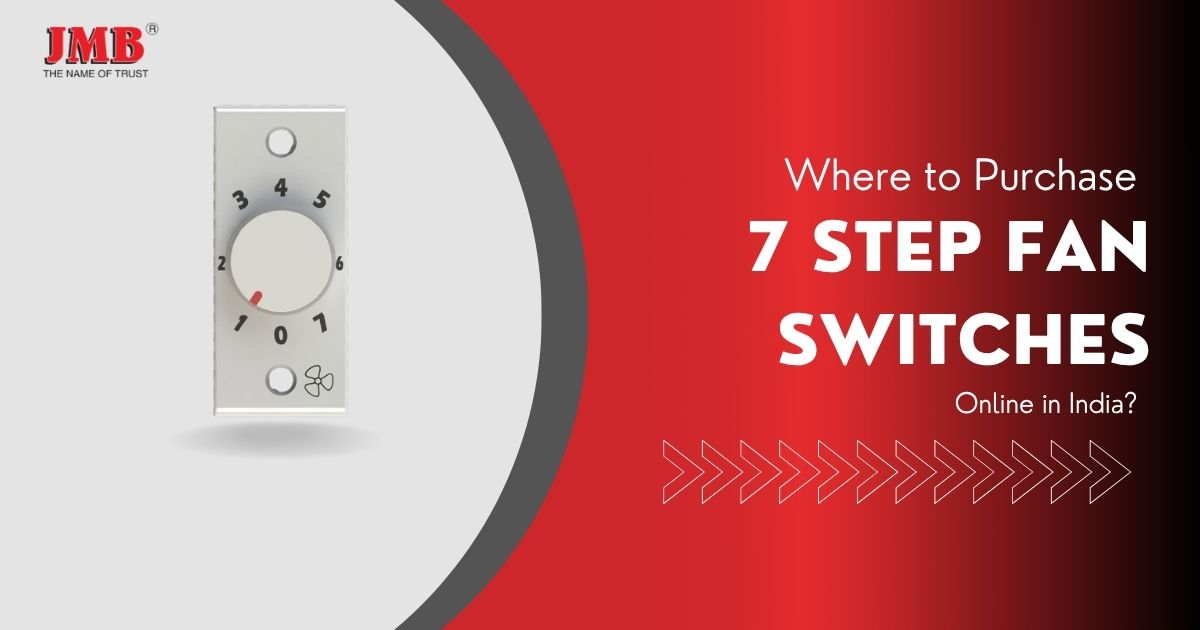
Where to Purchase 7 Step Fan Switches Online in India?

Upgrading your home or office ventilation often starts with the most used interface in the room: the fan switch. While the market is full of modern touch panels, the reliability of a 7 step switch type fan regulator remains unmatched for those who prefer tactile feedback and long term durability. These regulators are essential for anyone using traditional electrical boards where modern modular fittings might not be compatible.

Choosing the right place to source these components involves looking for a balance between material quality and electrical safety. A mechanical fan regulator provides a sturdy mechanical movement that lets you feel every speed adjustment. Sai Electronics India has become a preferred destination for those seeking these robust controllers, ensuring that every click translates into precise motor control and energy efficiency.

What is a 7 Step Switch Type Fan Regulator?

A switch type fan regulator mechanically controls ceiling fan speed through seven fixed resistive steps. Unlike electronic dimmers, this 7 speed switch fan regulator reduces humming and delivers stable performance. The resistive network drops voltage in clear increments. This traditional design handles voltage spikes better and works reliably in areas with fluctuating power supply.

This 7 step mechanical fan regulator switch type typically features a rotary or toggle movement. It is designed to be mounted on a traditional board 7 step fan regulator setup, often using a screw mount switch type fan regulator method. Whether you are replacing an old unit or building a new heavy duty system, the non modular 7 step switch fan regulator style offers a familiar and dependable user experience.

Benefits of Switch Type Fan Regulator

For many users, the choice of a resistive switch type 7 step regulator comes down to its specific functional advantages:

  • Distinct Tactile Feedback: You know exactly which speed you have selected without needing to look at the dial.
  • Heat Management: A high quality 7 step resistive switch fan controller manages heat effectively, preventing the switch plate from becoming hot.
  • Durability: These units are built to withstand thousands of clicks, making them far more durable than cheap plastic alternatives.
  • Compatibility: The switch type 7 step fan speed controller works perfectly with older wooden or plastic non-modular boards found in millions of Indian homes.
  • Safety: Most modern versions are built as a 220V switch type 7 step fan regulator, ensuring they meet standard domestic power requirements.

Types of Switch Type Fan Regulator

When you decide to 7 step switch type fan regulator for your project, it is helpful to understand the variations in the market.

Switch Type 7 Step Regulator

This is the classic design where the internal mechanism is housed in a protective casing with an external knob. It is the go-to 7 step switch type fan regulator for standard domestic use.

Modular Fan Regulator

If your home has modern, snap-in switchboards, you should consider a 7 step modular fan regulator. These are smaller and designed for aesthetic integration rather than heavy-duty mechanical switching.

Open Body Regulator

For those building their own electrical panels or looking for a 7 step open body fan regulator, this version provides the core resistive mechanism without the outer switch casing.

Why Buy from a Reliable Manufacturer?

Purchasing directly from a fan regulator manufacturer ensures that you are not getting a counterfeit product with poor wiring. A dedicated 7 step switch regulator manufacturer India follows strict protocols to ensure the resistive coils are wound correctly. This prevents the “burning smell” often associated with low-grade regulators.

Sourcing from fan regulator manufacturers in india also gives you access to better warranties and technical support. When you deal with a trusted 7 Step Fan Regulator manufacturer, you can be confident that the switch type ceiling fan regulator 7 step you install is safe for your family and your property.

Bulk Purchase for Contractors and Dealers

If you are a contractor or retailer, bulk buying is the most logical step. A bulk mechanical fan regulator reduces project costs. Large orders also ensure a uniform look and consistent performance. We supply switch type fan regulators for large-scale developments. Our distribution network covers projects across India.

Our budget switch type 7 step fan regulator options are perfect for government tenders or school building projects where durability is required at a competitive price point. We also offer 7 step toggle switch fan regulator and 7 step push button fan regulator switch type variations for specialized electrical requirements.

Switch Type Fan Regulator Applications

The manual switch fan regulator remains popular in several specific areas:

  1. Old Architecture Renovations: Where modern modular plates cannot be easily fitted.
  2. Commercial Godowns: Where a switch regulator for ceiling fan 7 speed needs to be rugged.
  3. Educational Institutions: For heavy daily usage by different people.
  4. Rural Housing: Where the resistive design handles voltage swings better than sensitive electronics.

Related Guides and Support

To better understand your cooling options, we recommend checking our comparison of traditional vs remote control regulators. If you have already made your purchase and need help with the technical setup, our step-by-step wiring guide provides all the details for a safe connection to your traditional board 7 step fan regulator.

Why Choose Sai Electronics India

Choosing Sai Electronics India means you are opting for decades of engineering expertise. Our products are designed for the Indian climate and electrical conditions. We offer a wide range of products from 7 step switch type fan regulator units to high-end modular accessories. Our commitment to quality ensures that you get a product that is safe, efficient, and built to last.

Conclusion

The 7 step switch type fan regulator continues to be a top choice for those who value reliability and straightforward operation. Its resistive design and mechanical strength make it a superior option for traditional boards and heavy-use environments. By purchasing from a trusted source, you ensure that your fans operate at the perfect speed while keeping your electrical system secure.

For those looking to buy in large quantities or seeking a reliable partner for their electrical supply chain, we are ready to serve. Contact us today to get a quote for your 7 step switch type fan regulator needs or to inquire about our wholesale distribution opportunities.

Categories
7 Step Fan Regulator manufacturer

What is a 7 Step Open Body Fan Regulator? Features, Uses & Applications

Industrial control panels focus on performance. Decorative appeal becomes less important. The 7 step open body fan regulator suits these high-performance environments. This version lacks a decorative outer shell. It supports internal mounting inside panels. It manages airflow where heat dissipation and space saving matter most.

Choose an open body 7 step fan regulator for durability. It provides long-lasting speed control. These units handle continuous operation easily. They also prevent overheating. Sai Electronics India manufactures these regulators under strict quality standards. This approach delivers a cost-effective solution for contractors and panel builders.

What Defines a 7 Step Fan Regulator Open Type?

A 7 step fan regulator open type is an electrical component where the internal resistance coil and switching mechanism are exposed on a sturdy base. This intentional design allows maximum airflow around electrical parts., which is vital for resistive components that generate heat. The 7 speed open body fan regulator provides seven distinct clicks, giving the user or the automated system precise control over the fan motor’s RPM.

This resistive open type 7 step fan regulator is typically built for 220V systems, making it a standard fit for Indian electrical grids. Since it doesn’t have a bulky plastic housing, you can easily fit it into crowded distribution boxes. or custom machinery. If you are a professional looking for a 7 step open body fan regulator that prioritizes function over fashion, this is the ideal technical choice.

Key Features of 7 Step Open Body Fan Regulators

Understanding the technical benefits of an open body fan speed controller 7 step helps in planning your electrical layout. These units offer several advantages for professional use:

  • Optimal Heat Management: The open frame prevents thermal buildup, which is a common cause of regulator failure in enclosed panels.
  • Precision Control: Seven clear steps allow for specific air volume adjustments, which is better than traditional infinite dimmers.
  • Space Saving Design: Its compact footprint is perfect for mounting on rails or inside small junction boxes.
  • Long Life Durability: High grade resistance wires ensure the unit can operate for years without maintenance.
  • High Voltage Stability: Specifically designed as a 220V open body 7 step regulator to handle typical Indian power fluctuations.

Common Uses and Applications

The open body 7 step regulator India market relies on this product for various heavy duty and technical applications.

Electrical Panel Integration

An electrical panel open body fan regulator is the standard for centralized control. In large offices or factories, multiple fan controls are often grouped together inside a locked panel for safety and centralized management.

Industrial Machinery

Many large machines require localized cooling fans to prevent motors from overheating. An industrial open body fan regulator 7 step is integrated directly into the machine’s control circuitry to manage these cooling systems efficiently.

OEM and Custom Manufacturing

Manufacturers often use an OEM open body 7 step regulator as a part of their own products, such as large evaporative coolers or commercial air handling units.

Cost-Conscious Projects

For large scale government or commercial buildings where thousands of regulators are needed, a budget open body fan regulator India provides the necessary speed control at a fraction of the cost of modular decorative units.

Comparing Different 7 Step Regulator Styles

Choose the right regulator style based on your installation. A 7 step fan regulator manufacturer offers multiple designs, and each serves a different purpose.

Open Body vs. Modular

While the 7 step modular fan regulator is designed to look good on your bedroom wall, the open type is meant to be hidden. The modular version is a 1M size for switchboards, whereas the open body is for internal panel mounting.

Open Body vs. Switch Type

The 7 step switch type fan regulator includes a built in knob and a fully enclosed back. It is meant for surface mounting where a user will touch the dial directly, unlike the open body regulator for ceiling fan use which is often adjusted only during setup.

Buying Guide for Bulk and Wholesale Orders

For electrical dealers and contractors, sourcing from a reliable 7 step open body fan regulator manufacturer is critical for maintaining quality across a project. When you place a bulk open body fan regulator 7 step order, you ensure that every unit in your building has the same resistance levels and performance standards.

As a leading 7 step open type fan regulator supplier, we focus on providing high volume availability for major infrastructure projects. Whether you need a fan regulator open body manufacturer Gujarat for a local project or an open type 7 step ceiling fan controller for export, our production capacity ensures timely delivery and consistent quality.

Why Choose Sai Electronics India?

Being among the top fan regulator manufacturers in india gives us the expertise to design products that survive the toughest conditions. Our open body ceiling fan regulator 7 step units are tested for high voltage endurance and mechanical switch longevity.

Our reputation as a fan regulator open body manufacturer Gujarat is built on:

  • Use of high grade flame retardant bases.
  • Precision wound coils for a 7 step resistive fan regulator open body.
  • Direct manufacturer support for 7 step open body fan regulator customization.

Related Technical Resources

To help you choose between different technologies, you can read our blog comparing traditional regulators vs remote controls. While remotes are flashy, the open body resistive type is still the king of industrial reliability. If you are ready for the installation phase, our step-by-step wiring guide provides clear diagrams for safely connecting your unit to a panel.

Conclusion

The 7 step open body fan regulator is the ultimate solution for professional electrical applications where performance is the only priority. Its open design allows for superior heat management, while the seven step mechanism provides the precise control needed for industrial and commercial environments. By choosing a reputable 7 step open body fan regulator manufacturer, you invest in the long term stability of your electrical infrastructure.

If you are looking for a reliable 7 step open type fan regulator supplier for your next big project, we are ready to assist. Contact us today to discuss wholesale pricing, bulk inquiries, or custom OEM requirements. We provide the durable solutions you need to keep your systems running cool.

Categories
Blogs Fan Regulator Manufacturing

Modular Box Manufacturer in India: A Complete Buyer & Industry Guide

India’s construction and electrical sectors are experiencing rapid transformation. The shift toward organized infrastructure and standardized electrical installations has created substantial demand for high-quality modular electrical fittings. Whether you’re working on a residential project, commercial complex, or industrial facility, the foundation of safe electrical systems starts with reliable modular boxes.

Selecting the right Modular Box Manufacturer isn’t just about procurement. It directly impacts installation efficiency, long-term safety, and overall project costs. A poorly manufactured box can lead to fitting issues, safety hazards, and frequent replacements.

This guide serves builders, electricians, contractors, distributors, and OEM buyers who need dependable solutions from a trusted Modular Boxes Manufacturer in India. We’ll cover material types, manufacturing standards, selection criteria, and application scenarios.

What Is a Modular Box & Why It Matters

A modular switch box is the foundational enclosure that houses electrical switches, sockets, and connection points in modern wiring systems. These boxes provide structural support, protect internal wiring from environmental damage, and ensure safe electrical installations.

Unlike traditional junction boxes that often require customization on-site, modular boxes come in standardized sizes that align with switch modules. This standardization reduces installation time, minimizes errors, and creates cleaner finishes. For single-module installations, a 1 Modular Box provides the perfect foundation.

Every Modular Electrical Box Manufacturer focuses on exact dimensions that accommodate standard switch plates without gaps or misalignment. This precision prevents loose fittings, exposed wiring, or difficulty securing switch plates properly.

For electricians and contractors, quality modular boxes mean faster project completion and fewer callbacks. For end users, it translates to safer electrical systems with better aesthetics and reliability.

Types of Modular Boxes Manufactured in India

GI Modular Boxes

Galvanized Iron (GI) modular boxes represent the premium category in electrical enclosures. These boxes undergo a galvanization process where iron is coated with zinc, creating exceptional resistance to corrosion and rust.

The primary advantage lies in mechanical strength and fire resistance. The metal construction withstands significant impact without cracking, making them ideal for high-traffic commercial environments and industrial settings where durability is non-negotiable.

GI Modular Box Manufacturer products excel in environments with exposure to moisture, chemicals, or temperature variations. They’re commonly specified for shopping malls, hospitals, and manufacturing units.

PVC Modular Boxes

Polyvinyl Chloride (PVC) modular boxes offer advantages centered around versatility and ease of installation. These lightweight enclosures resist corrosion naturally and don’t conduct electricity, adding an extra safety layer.

For residential applications, PVC boxes provide excellent balance of affordability and performance. When installing dual switch setups in bedrooms or living areas, a 2 Modular Box offers the ideal solution for controlling lights and fans from one location.

A reliable PVC Modular Box Manufacturer ensures proper wall thickness and structural integrity despite the lightweight nature.

Modular Gang Boxes

Gang boxes accommodate multiple switch modules in a single unit. These configurations range from single-module options to multi-gang arrangements that house numerous switches side by side.

The Modular Gang Box Manufacturer segment has grown significantly as modern spaces demand centralized control points. Gang boxes create organized control panels that improve both functionality and visual appeal. The variety from any established Electrical Gang Box Manufacturer ensures flexibility across project types.

Modular Surface Boxes

Surface-mounted modular boxes serve installations where concealed wiring isn’t feasible. These boxes mount directly onto wall surfaces, making them ideal for retrofit projects or situations where wall chiseling should be avoided.

The Modular Surface Box Manufacturer category has expanded as renovation projects become more common. These boxes allow electrical upgrades without extensive civil work, reducing project timelines significantly.

Modular Box Manufacturing Process

Understanding the manufacturing process helps buyers evaluate quality. Production begins with raw material selection, where manufacturers choose between high-grade GI sheets or virgin PVC compounds.

For metal boxes, precision sheet forming involves cutting, bending, and shaping galvanized iron to exact specifications. For bathroom and kitchen installations requiring triple switch arrangements, a 3 Modular Box accommodates exhaust fans, lights, and additional electrical points efficiently.

PVC boxes utilize injection molding, where heated PVC compound is injected into precision molds under high pressure. Quality checks occur at multiple stages. Established Modular Boxes Manufacturer operations invest in automated quality control systems that maintain consistency across large order volumes.

Key Standards & Certifications to Look For

In India, electrical components must comply with Bureau of Indian Standards (IS) specifications. For modular boxes, relevant standards cover material quality, dimensional tolerances, and safety parameters.

IS 694 addresses general requirements for electrical installations, while specific material standards govern the quality of GI sheets and PVC compounds. Fire safety ratings matter significantly, particularly for GI boxes used in commercial settings. Leading Fan Regulator Manufacturers understand the importance of maintaining strict compliance standards across their product range.

Working with certified manufacturers provides legal protection and quality assurance.

How to Choose the Right Modular Box Manufacturer in India

Material Quality & Thickness

Not all GI boxes use the same steel gauge, and PVC formulations vary significantly. Request specifications on material thickness and composition. For GI products, 0.8mm to 1.0mm thickness typically indicates commercial-grade quality.

Customization & Size Availability

Standard sizes cover most applications, but projects sometimes require specific configurations. For extensive commercial reception desks or control rooms, a 12 Modular Box provides centralized management of multiple electrical points in a single organized panel.

Manufacturing Capacity & Scalability

For large projects, manufacturing capacity determines delivery reliability. Inquire about production volumes, lead times for bulk orders, and ability to scale up during peak seasons.

Pricing & Bulk Supply

Transparent pricing structures and reasonable minimum order quantities indicate professional operations. Compare total cost of ownership, not just unit prices.

After-Sales Support

Technical support, warranty policies, and replacement procedures matter when issues arise. Established manufacturers stand behind their products and maintain consistent quality.

Applications of Modular Boxes

Residential construction represents the largest market segment. From compact apartments to sprawling villas, standardized electrical installations using modular systems have become the norm. Homeowners benefit from uniform switch layouts that simplify future modifications.

Commercial spaces such as offices, retail stores, and hospitality venues require robust electrical infrastructure that balances aesthetics with functionality. Understanding electrical control preferences, similar to evaluating Remote-Control Ceiling Fans vs. Traditional Regulators: What’s the Right Choice for You?, helps in planning comprehensive electrical layouts.

Industrial facilities prioritize durability and safety in harsh operating conditions. Infrastructure projects including metro stations and airports demand large-scale deployment of certified electrical components. Working with a proven Modular Switch Board Box manufacturer ensures specifications are met consistently.

Why Buy from an Indian Modular Box Manufacturer?

India’s manufacturing ecosystem offers significant advantages for domestic and international buyers. The combination of skilled workforce, established supply chains, and competitive production costs creates exceptional value.

Cost-effectiveness doesn’t mean compromised quality when working with reputable manufacturers. Modern Indian facilities incorporate advanced machinery and quality systems that rival global standards. The approach mirrors quality standards maintained by Made in India Best Fan Regulator Manufacturers for Modern Homes who prioritize both affordability and reliability.

Large-scale production capabilities enable Indian manufacturers to handle substantial order volumes without compromising delivery timelines. Companies like Sai Electronics India exemplify the capabilities of Indian manufacturers who combine traditional excellence with modern quality standards.

The Modular Boxes Manufacturer in India segment continues growing as both domestic demand and export opportunities expand.

FAQs: Modular Box Manufacturing & Buying

What is the difference between GI and PVC modular boxes?

GI boxes offer superior strength, fire resistance, and durability for commercial applications. PVC boxes provide lightweight, corrosion-proof solutions ideal for residential use. Material choice depends on environmental conditions and project requirements.

Are modular gang boxes available in custom sizes?

Most manufacturers maintain standard sizes from single gang to larger configurations. For comprehensive electrical panels in commercial lobbies or smart home control centers, an 18 Modular Box delivers extensive switch management capability. However, established manufacturers can accommodate custom requirements for large orders.

Which modular box is best for commercial projects?

Commercial applications typically benefit from GI modular boxes due to enhanced durability, fire safety characteristics, and ability to withstand high-traffic environments.

Do manufacturers offer bulk or OEM supply?

Reputable manufacturers maintain separate programs for bulk buyers and OEM partnerships. You can browse complete product ranges through the All Product Shop section to evaluate available options.

Final Thoughts

Selecting the right Modular Box Manufacturer fundamentally impacts your project’s electrical installation quality, safety performance, and long-term maintenance requirements. Whether sourcing basic single-module boxes or extensive multi-gang configurations, partnering with established manufacturers ensures consistent quality.

The Indian manufacturing landscape offers exceptional opportunities to access world-class modular boxes at competitive prices. By evaluating material quality, certifications, manufacturing capabilities, and supplier reliability, you can make informed decisions that deliver value throughout your project lifecycle.

Remember that electrical infrastructure represents a long-term investment in safety and functionality. For builders, electricians, and distributors seeking reliable electrical components, connecting with proven manufacturers who understand industry requirements makes all the difference. To discuss your specific requirements, feel free to Contact us for personalized assistance.

Connect with a trusted modular box manufacturer in India today and build electrical installations that prioritize safety, durability, and professional excellence.

Categories
Blogs Fan Regulator Manufacturing modular blank plate manufacturer

How to Choose the Right Modular Blank Plate for Your Electrical Setup

Setting up or upgrading your electrical system requires attention to every component, including modular blank plates. These simple yet essential elements help maintain a clean, safe, and professional appearance in your home or commercial space. Choosing the right product from a reliable Modular Blank Plate Manufacturer ensures both functionality and aesthetic appeal. Whether you’re an electrician, contractor, or homeowner, understanding the features and benefits of these plates will help you make informed decisions that enhance your electrical infrastructure.

What is a Modular Blank Plate?

A modular blank plate serves as a cover for unused electrical outlets or switch openings within a modular system. Unlike traditional switch plates that accommodate specific electrical components, blank plates fill empty spaces to prevent dust accumulation, accidental contact with live wires, and maintain visual uniformity across your walls. They integrate seamlessly with other modular components, allowing flexibility in electrical design.

The key distinction between modular blank plates and standard switch plates lies in their adaptability. While standard plates are fixed in configuration, modular systems let you customize your electrical layout by mixing and matching different components. A reputable Modular Blank Plates Manufacturer offers products designed to fit various modular frameworks, ensuring compatibility across different brands and systems.

Types of Modular Blank Plates

Standard Blank Plates

These basic covers fill single or multiple module spaces in your electrical board. Available in various sizes, they match standard modular dimensions and work with most residential and commercial installations. The BLANK 4X5 Plate offers a versatile solution for larger openings.

Switch Blank Plates

Designed specifically to replace or cover switch positions, these plates maintain the same aesthetic as your existing switches. A trusted Switch Blank Plate Manufacturer produces these components with precise dimensions to ensure a snug fit alongside functional switches and sockets.

Electrical Modular Plates

These comprehensive solutions accommodate multiple modules within a single frame. They’re ideal for complex installations where you need to combine switches, sockets, and blank covers in one unified panel. Options like the Blank Air Plate and Blank Curve Plate provide modern design alternatives.

Key Factors to Consider When Choosing a Modular Blank Plate

Material Quality

Durability is paramount when selecting electrical components. High-grade plastics with flame-retardant properties protect against electrical fires and withstand daily wear. Look for products that maintain their color and finish over time without yellowing or cracking. The Blank Eleys Plate exemplifies quality construction with long-lasting materials.

Compatibility

Ensure your blank plates match your existing modular system’s dimensions and mounting mechanisms. Different manufacturers use varying module widths and fixing methods. A knowledgeable Modular Plates Manufacturer provides detailed specifications to help verify compatibility before purchase.

Aesthetic & Design

Your electrical fittings contribute to your interior design. Choose plates that complement your space’s color scheme and style. Modern options range from glossy white to metallic finishes, with some manufacturers offering customizable colors. The Blank G10 Plate showcases contemporary design that suits various interior styles.

Manufacturer Reliability

Partnering with an established Electrical Blank Plate Manufacturer guarantees access to certified products, consistent quality, and reliable customer support. Companies like Sai Electronics India have built reputations on delivering dependable electrical components that meet stringent safety standards.

Advantages of Buying from a Trusted Modular Blank Plate Manufacturer

Consistent Quality and Safety Standards

Certified manufacturers adhere to international safety protocols and quality benchmarks. Their products undergo rigorous testing for electrical insulation, heat resistance, and mechanical strength, protecting your property and its occupants.

Wide Variety of Products

Established manufacturers maintain extensive catalogs that include various sizes, designs, and configurations. Whether you need basic covers or specialized solutions, a comprehensive Modular Switch Plate Manufacturer offers options to suit every requirement. 

Expert Guidance

Reputable companies provide technical support, installation advice, and product recommendations based on your specific needs. This expertise proves invaluable when planning complex electrical layouts or troubleshooting compatibility issues.

How to Identify a Reliable Manufacturer

Certifications and Compliance

Verify that manufacturers comply with national and international electrical safety standards such as ISI, CE, or equivalent certifications. These credentials confirm that products have passed independent testing and meet minimum safety requirements.

Positive Client Reviews

Research customer feedback and testimonials to gauge product performance and manufacturer responsiveness. Consistent positive reviews indicate reliability and customer satisfaction. You might also find helpful insights in articles about related products, such as guidance on Made in India fan regulator manufacturers for modern homes.

Range of Products

A diverse product portfolio demonstrates manufacturing capability and market experience. Companies offering everything from basic blank plates to advanced electrical accessories typically have the infrastructure and expertise to deliver quality consistently. Check out the full range in the All Product Shop section.

Common Mistakes to Avoid

Choosing Low-Quality Products

Budget considerations shouldn’t compromise safety. Non-certified or substandard plates may fail prematurely, discolor quickly, or lack adequate electrical insulation. These seemingly minor issues can create safety hazards and necessitate costly replacements.

Ignoring Compatibility

Purchasing plates without verifying dimensions and mounting systems leads to installation problems. Mismatched components create gaps, poor aesthetics, and potential safety concerns. Always confirm specifications match your existing modular framework.

Overlooking Support Services

Selecting a manufacturer solely based on price ignores the value of after-sales support. Technical assistance, warranty coverage, and responsive customer service become crucial when issues arise. Leading Fan Regulator Manufacturers understand that ongoing support builds lasting customer relationships.

Neglecting Future Needs

Consider your long-term electrical requirements when selecting modular components. A flexible system accommodates future additions or modifications without complete replacement. This forward-thinking approach saves time and money as your needs evolve.

Making the Right Connection

Understanding the differences between electrical components helps you create safer, more efficient installations. The same careful consideration you apply when comparing Remote-Control Ceiling Fans vs. Traditional Regulators should extend to every element of your electrical system, including modular blank plates.

Conclusion

Selecting the appropriate modular blank plate involves evaluating material quality, compatibility, design, and manufacturer reputation. By sourcing products from a certified Modular Blank Plate Manufacturer, you invest in safety, durability, and aesthetic appeal. Quality blank plates from trusted manufacturers like Sai Electronics India protect your electrical infrastructure while maintaining a polished appearance.

Take time to assess your specific requirements, verify product specifications, and choose manufacturers with proven track records. Whether you’re completing a new installation or upgrading an existing system, the right blank plates contribute significantly to overall electrical safety and visual coherence. For personalized assistance in selecting the perfect modular blank plates for your setup, don’t hesitate to Contact us for expert guidance tailored to your needs.

Chat With Us