Behind every clean modular switchboard sits a plastic enclosure that nobody talks about but everybody depends on. The surface box, the gang box, the fan plate hiding behind your ceiling fan canopy, each one is a small moulded component that quietly carries the weight of your wiring, your switches, and sometimes your fan itself. This complete guide walks through the full landscape of electro plastic products in 2026, covering materials, sizes, sourcing practices, and what separates a reliable manufacturer from a cheap imitator.
If you are an electrician planning a new installation, a contractor stocking inventory for a residential project, or a retailer looking to add plastic electrical accessories to your catalogue, understanding how these components are made and specified will save you from countless site-level headaches later.
What Falls Under Electro Plastic Products
Before comparing manufacturers, it helps to map out what the category actually covers. An established Electro Plastic Products Manufacturer typically produces a wide range of moulded electrical accessories, each designed for a specific position inside the wiring system.
Common items in the category include:
- Modular surface boxes in 1M, 2M, 3M, 4M, 6M, 8M, 12M, and 18M sizes
- Concealed gang boxes for in-wall installation
- PVC and GI metal variants for different wall types
- Polypropylene fan sheets and ceiling fan plates
- Blank plates and dummy modules
- Junction boxes and conduit accessories
The full catalogue of Electro Plastic Products typically covers these across multiple sizes and finishes, allowing contractors to source everything from a single supplier instead of chasing individual components from different vendors.
Modular Surface Box: The Workhorse of Every Switchboard
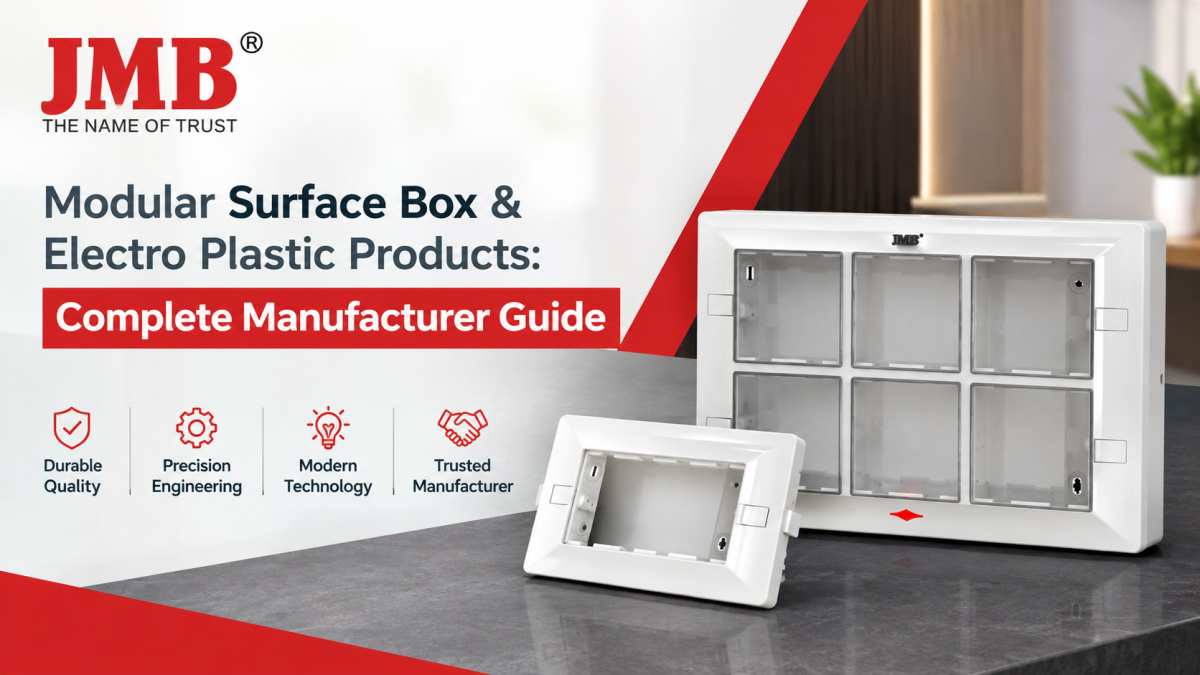
A Modular Box Manufacturer builds enclosures that fit standard modular plates holding switches, sockets, regulators, and dimmers. These boxes are categorised by the number of modules they can accommodate.
|
Box Size |
Module Capacity |
Typical Use |
|
1M |
1 switch or socket | Single light point |
|
2M |
2 modules | Bedroom light with regulator |
|
3M |
3 modules | Living room grouping |
|
4M |
4 modules | Kitchen counter boards |
|
6M |
6 modules | Entry hall switchboards |
|
8M |
8 modules | Master bedroom panels |
|
12M to 18M |
Multi-module | Commercial installations |
Surface-mount boxes attach directly to the wall surface and are commonly used in retrofit projects where cutting into existing walls isn’t practical. Concealed variants install inside wall cavities during fresh construction.
For projects requiring reliable surface-mount enclosures, options from the Modular Surface Box catalogue offer standardised dimensions that fit all major modular plate brands available in India.
Material Choice
Surface boxes come in two main material families:
PVC (Polyvinyl Chloride): Lightweight, flame-retardant, and resistant to moisture. Ideal for domestic and light commercial use.
GI (Galvanised Iron): Metal-bodied boxes used where fire regulations require non-combustible enclosures, such as industrial sites and public buildings.
A quality PVC Modular Box typically uses virgin-grade polymer with proper UV stabilisers so it does not become brittle after a few years of exposure to indoor light and temperature cycles.
Complete Your Switchboard with Matching Components
A modular box is only half the installation. Pair your surface boxes and gang boxes with coordinated switches, sockets, fan regulators, dimmers, and USB chargers — all from one trusted source. Browse our full range of modular electrical accessories designed to fit standard Indian plate dimensions.
Why PVC Modular Boxes Dominate Indian Installations
PVC enclosures account for roughly 80 percent of residential installations across India. Several practical reasons explain this dominance.
Cost Efficiency
A PVC Modular Box Manufacturer can produce enclosures at a fraction of the cost of GI variants while meeting the mechanical and electrical safety requirements for domestic wiring.
Insulation Properties
PVC is naturally non-conductive, which adds a safety layer around wiring joints. This matters in homes where wall moisture can occasionally reach the boxes.
Easy Installation
PVC enclosures are lightweight and easy to cut, drill, and modify on site. Electricians can adapt them to field conditions without specialised tools.
Corrosion Resistance
Unlike metal boxes, PVC does not rust, which extends its service life particularly in coastal regions like Mumbai, Chennai, and Kochi.
Flame Retardancy
Modern PVC compounds used by reputable Modular Boxes Manufacturer in India brands include flame-retardant additives that self-extinguish if exposed to flame, meeting IS 14772 standards.
For installations in commercial or industrial settings where fire codes mandate metal enclosures, a GI Modular Box Manufacturer typically offers the same size range in galvanised steel.
“`html
Featured Products

1 Modular Box

12 Modular Box

18 Modular Box
Gang Boxes and Their Variants
A Gang Box Manufacturer produces enclosures that hold multiple switches or sockets grouped together. The term “gang” refers to the number of modules the box carries side by side.
Modular Gang Box
The Modular Gang Box format follows standardised dimensions compatible with every major modular plate brand in India. This standardisation means a 6-module box from one manufacturer will accept a plate from another, which simplifies retrofit work.
Modular Surface Gang Box
The Modular Surface Gang Box variant mounts directly on the wall surface, making it the go-to choice for retrofitting older homes without channel cutting. These are especially popular in rental properties and heritage buildings.
Concealed Gang Boxes
Concealed variants install inside the wall during construction. They provide a cleaner finish since only the plate shows on the surface.
Multi-Gang Configurations
Larger multi-gang boxes accommodate 12M to 18M configurations, often used in hotel lobbies, conference rooms, and large residential master bedrooms where multiple controls group together.
An experienced Modular Gang Box Manufacturer offers all these variants under one catalogue, allowing contractors to specify boxes consistently across a project.
Polypropylene Fan Sheet and Ceiling Fan Plates
The ceiling fan canopy conceals a critical component that most homeowners never see: the fan plate. A Polypropylene Fan Sheet Manufacturer produces these moulded discs that mount flush against the ceiling, hiding the wiring hook and providing a clean finish.
Why Polypropylene?
Polypropylene (PP) is chosen over other plastics for fan plates because of three properties:
- Impact resistance so the plate does not crack under installation stress
- Heat tolerance since ceiling fans can run for extended hours in Indian summers
- UV stability to prevent discolouration over years of use
A PP Fan Sheet Manufacturer typically produces these in standard diameters ranging from 150mm to 300mm, with central holes sized to accept the fan canopy securely.
Fan Plate Variants
ThePolypropylene Fan Sheet range usually covers:
- Modular Fan Plate in matte and glossy finishes
- Ceiling Fan Sheet variants in different diameters
- Fan Plate Cover designs for aesthetic variation
- Decorative Fan Plate options with embossed patterns
For contractors handling fresh installations, thefan regulator connection tutorial covers related wiring practices that pair naturally with fan plate installation.
Colour and Finish Options
A Ceiling Fan Plate Manufacturer typically offers plates in white, ivory, grey, and sometimes black finishes. Matching the plate to the ceiling colour creates a cleaner visual result than defaulting to white in every room.
Fan Sheet Thickness
Standard Fan Sheet thickness ranges from 2mm to 4mm. Thicker sheets handle vibration better but add slightly more weight to the installation.
A reliable Fan Plate Cover Manufacturer tests each batch for fit tolerance so the sheet seats flush against the ceiling without gaps.
Blank Plates and Dummy Modules
Not every switch slot gets used immediately. Blank plates fill empty modular positions on a switchplate, keeping the overall design uniform and preventing dust from entering unused openings.
Standard sizes include 1M, 2M, 3M, 4M, 6M, 8M, 12M, and 18M options. The completeModular Blank Plate range covers these dimensions with consistent snap-fit tolerances.
Blank plates are commonly used in:
- Future-ready installations where additional switches may be added later
- Reorganised switchboards where fewer modules remain active
- Design-focused layouts where symmetry matters more than function
Switch Boxes for Specific Installation Needs
Beyond standard modular enclosures, specialised Switch Boxes serve specific use cases that general-purpose boxes do not address well.
Weatherproof Boxes
For balconies, utility areas, and outdoor installations, IP54 and IP65 rated boxes keep moisture and dust out of the wiring.
Metal Clad Boxes
Industrial sites often specify metal clad enclosures for mechanical protection and compliance with factory electrical codes.
Decorative Finish Boxes
Premium residential projects sometimes specify boxes with wood-grain or metallic finishes that match the interior design.
Modular Switch Board Box Formats
The Modular Switch Board Box category covers larger configurations designed to carry entire switch arrays for a single room, including dedicated spaces for RCBOs and MCBs in some variants.
An established Electrical Gang Box Manufacturer typically produces all these variants in-house, allowing project managers to source complete switchboard assemblies from one supplier.
How to Evaluate a Manufacturer
Not every supplier produces reliable moulded electrical accessories. Here is a structured checklist for evaluating potential sources.
1. Material Grade
Ask whether the manufacturer uses virgin polymer or recycled plastic. Virgin material offers consistent mechanical properties, while recycled material may become brittle over time.
2. Mould Quality
Quality moulds produce boxes with clean edges, consistent wall thickness, and tight snap-fit tolerances. Request sample units and inspect the mould finish before confirming large orders.
3. Production Capacity
A capable Modular Electrical Box Manufacturer should handle 50,000 to 200,000 units monthly during peak construction season. Verify this before committing to project timelines.
4. Certifications
BIS marking, IS 14772 compliance, and relevant quality certifications matter for both residential retail and commercial supply contracts.
5. Catalogue Depth
A single-source supplier offering boxes, plates, fan sheets, and accessories simplifies procurement and reduces logistics overhead.
6. Delivery Network
Construction projects run on tight schedules. A supplier with reliable logistics across Gujarat, Maharashtra, Delhi NCR, Karnataka, and Tamil Nadu keeps your site stocked without delays.
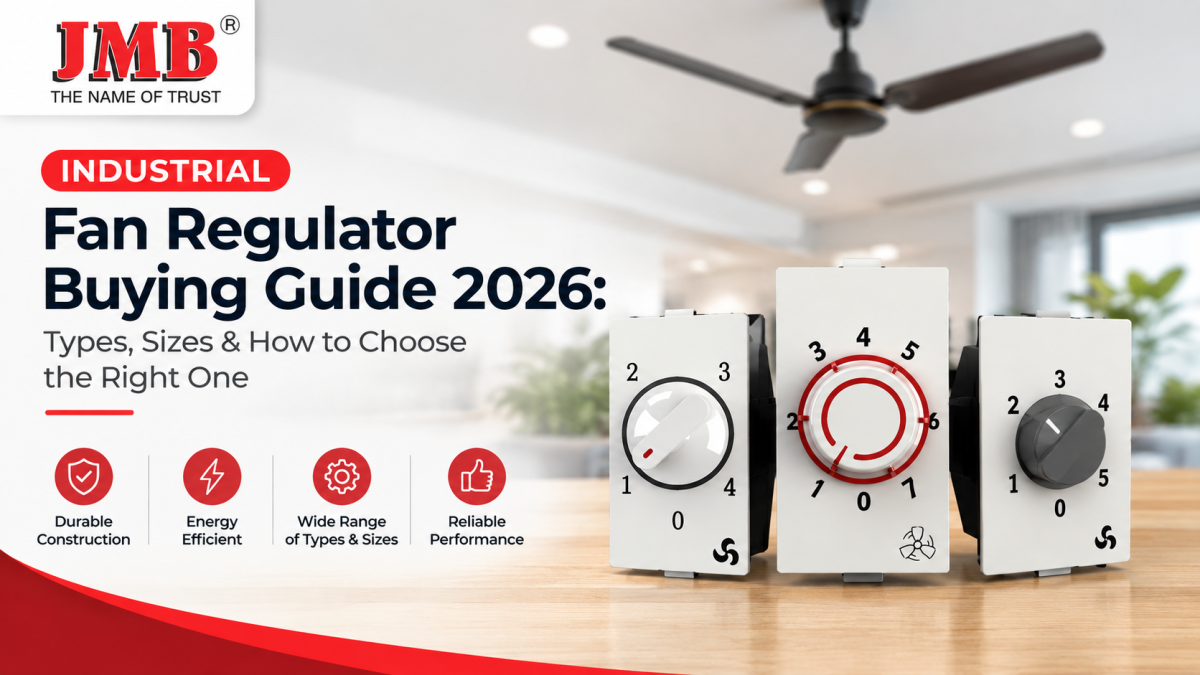
Established fan regulator manufacturers in india often carry complete electro plastic ranges alongside their regulator catalogues, making them useful single-source vendors for complete switchboard supply.
Local Context and Regional Preferences
Different regions in India show distinct preferences in electro plastic sourcing.
Gujarat and Maharashtra: Strong local manufacturing clusters mean contractors prefer direct factory sourcing with shorter lead times. Ahmedabad, Rajkot, and Pune host several major moulding units.
Delhi NCR: Project volumes are high, so bulk pricing matters more than brand preference. Contractors frequently rotate between suppliers based on quarterly rates.
South India: Chennai, Bangalore, and Hyderabad markets favour BIS-certified branded products due to stricter builder specifications.
East India: Kolkata and Bhubaneswar markets value corrosion-resistant PVC heavily due to higher humidity and coastal conditions.
Understanding these regional patterns helps bulk buyers negotiate better terms with regionally established manufacturers.
Pairing Boxes with Complete Switchboard Components
A switchbox is only half of a working installation. The other half includes switches, sockets, regulators, dimmers, and USB chargers. For contractors specifying complete switchboards, pairing boxes with coordinated components keeps the installation visually and functionally consistent.
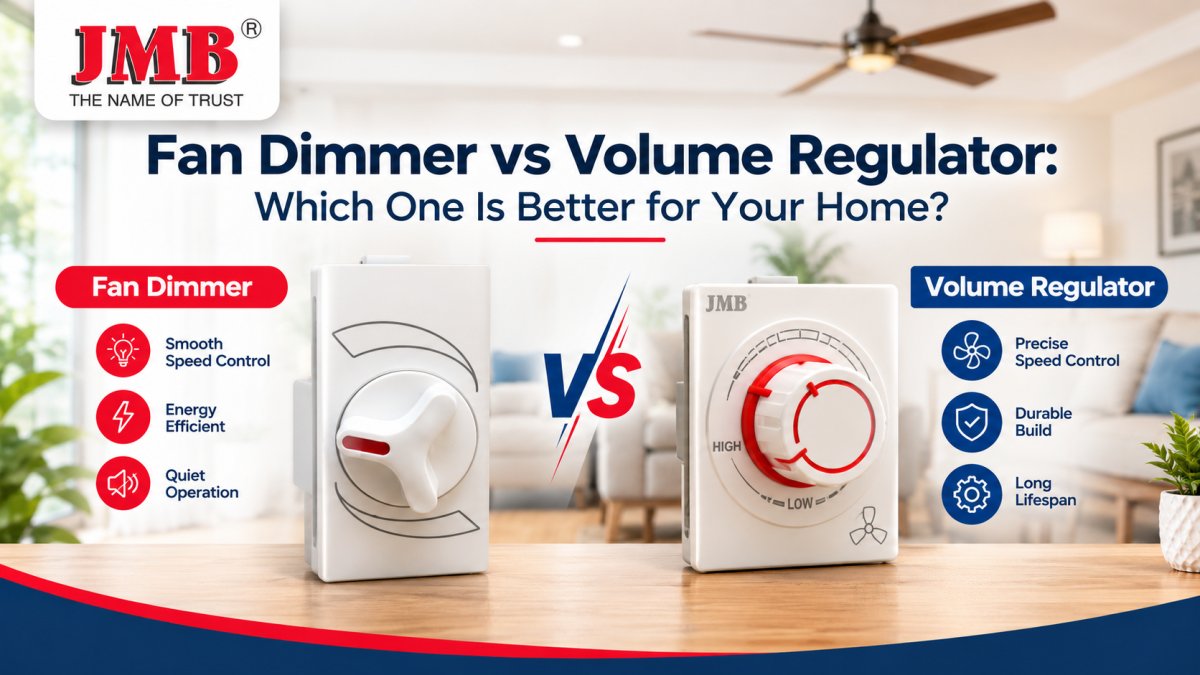
For example, a USB Socket module fits standard modular plates and complements modern switchboards where phone charging has become as common as light switching. If you are also comparing speed control options for ceiling fans in the same rooms, this breakdown on remote fans versus wall regulators offers useful context on manual versus wireless control preferences.
Specifying matching components from a single manufacturer reduces compatibility risk and simplifies warranty claims.
Bulk Procurement and Project Supply
For large residential projects, commercial buildings, and infrastructure contracts, procurement follows a different rhythm than retail buying.
Volume commitments: Carton or pallet-level quantities with per-unit pricing tiers.
Delivery scheduling: Phased dispatch aligned with construction milestones rather than one-shot delivery.
Custom packaging: OEM labelling for distributors reselling under their own brand.
Warranty terms: 12 to 24 month replacement warranty with clear defect handling procedures.
Payment terms: Credit arrangements for established contractors with proven payment history.
Bulk buyers should always request current rate sheets each quarter since raw material costs for PVC and polypropylene fluctuate with crude oil pricing trends.
Frequently Asked Questions
Q1. What size modular box do I need for a standard bedroom switchboard?
Most bedrooms use a 6M or 8M box carrying light switches, a fan regulator, and one or two sockets. For master bedrooms with additional controls, 12M configurations work better.
Q2. Is PVC or GI better for home switchboards?
PVC works well for almost all domestic installations due to its cost efficiency, insulation properties, and corrosion resistance. GI is preferred where fire codes mandate metal enclosures.
Q3. Can I mix modular plates and boxes from different brands?
Yes, as long as both follow standard Indian modular dimensions. Most reputable manufacturers follow IS specifications, making cross-brand pairing reliable.
Q4. What thickness should a polypropylene fan sheet be?
Standard fan sheets range from 2mm to 4mm thick. Thicker variants handle fan vibration better and are preferred for heavy-sweep ceiling fans.
Q5. How do I identify a quality PVC modular box?
Check for clean mould edges, uniform wall thickness, flame-retardant marking, and a solid snap-fit when the plate attaches. Brittle or thin boxes typically indicate recycled plastic content.
Q6. Where can bulk buyers source electro plastic products in India?
Gujarat, Maharashtra, and Delhi NCR host the largest manufacturing clusters. Direct factory sourcing typically offers better pricing and lead times than multi-tier distribution.
Q7. Do fan plates come in different colours?
Yes. Standard options include white, ivory, grey, and black. Custom colours may be available for large project orders.
Final Thoughts and Next Steps
Electro plastic products rarely get the attention they deserve, yet they form the backbone of every switchboard, every ceiling fan installation, and every wiring termination inside your home or office. Choosing the right box, the right material, and the right manufacturer protects your wiring investment for decades and saves you from the compounding cost of early replacements.
For contractors, retailers, and project managers planning bulk procurement in 2026, aligning with a manufacturer offering the full category under one roof simplifies logistics and keeps your installations consistent across sites.
Ready to request a product catalogue, sample units, or project-based wholesale pricing? Connect with us today at Sai Electronics India and our team will share detailed specifications, size charts, and dispatch terms covering the complete electro plastic range from modular boxes to polypropylene fan plates. For project managers planning phased delivery across multiple sites, our logistics team can structure dispatch schedules aligned with your construction timeline.
Ready to Source Electro Plastic Products in Bulk?
Whether you are an electrician, contractor, or retailer — we supply modular surface boxes, gang boxes, fan sheets, blank plates, and complete switchboard components at factory-direct pricing. Request a catalogue, sample units, or project-based wholesale rates today.