Categories
Fan Regulator Manufacturing

How to Connect a Fan Regulator Step-by-Step: A Simple Wiring Guide

A fan regulator is a small yet essential device that controls the speed of your ceiling fan. Whether you’re setting up a new fan or replacing an old regulator, understanding how to connect a fan regulator correctly ensures safe operation and optimal performance. Many homeowners hesitate to handle electrical work themselves, but with the right guidance and safety measures, installing a fan regulator can be straightforward.

When choosing a regulator, it’s important to source it from reliable fan regulator manufacturers or a trusted fan regulator company to ensure quality and durability. This guide will walk you through the entire process of connecting a fan regulator, from choosing the right type to testing your installation. By following these steps carefully, you’ll gain confidence in handling basic electrical work while ensuring your fan operates smoothly and safely.

Types of Fan Regulator Switches

Before starting the installation, it’s important to understand the different fan regulator switch type options available in the market. Each type has distinct features and wiring requirements.

Rotary or Step-Type Regulators

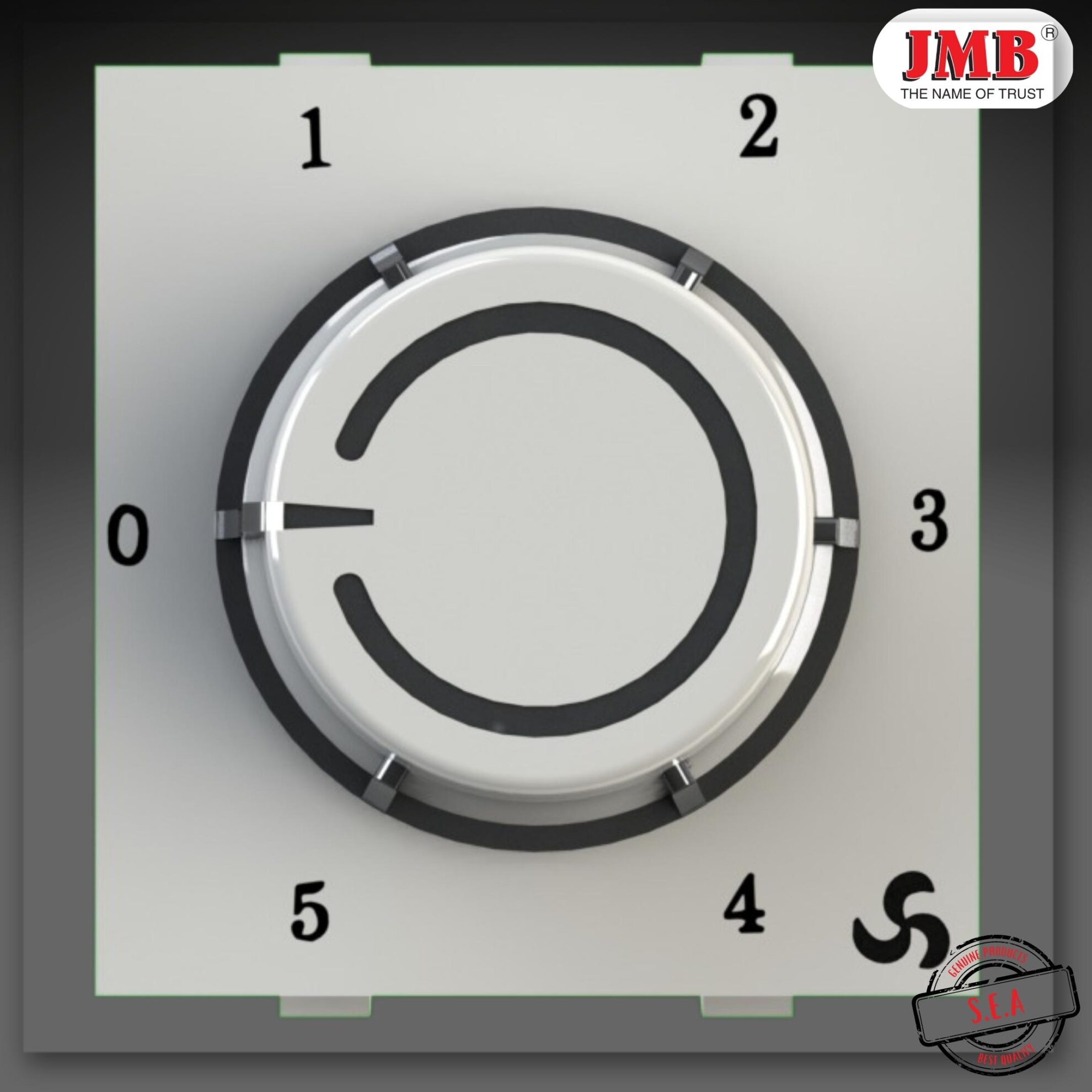
These traditional regulators use a rotating knob to adjust fan speed. They typically offer 4-5 speed settings and work by adding resistance to the circuit. While they’re affordable and widely available, they can generate heat during operation and may wear out faster than modern alternatives.

Electronic Regulators

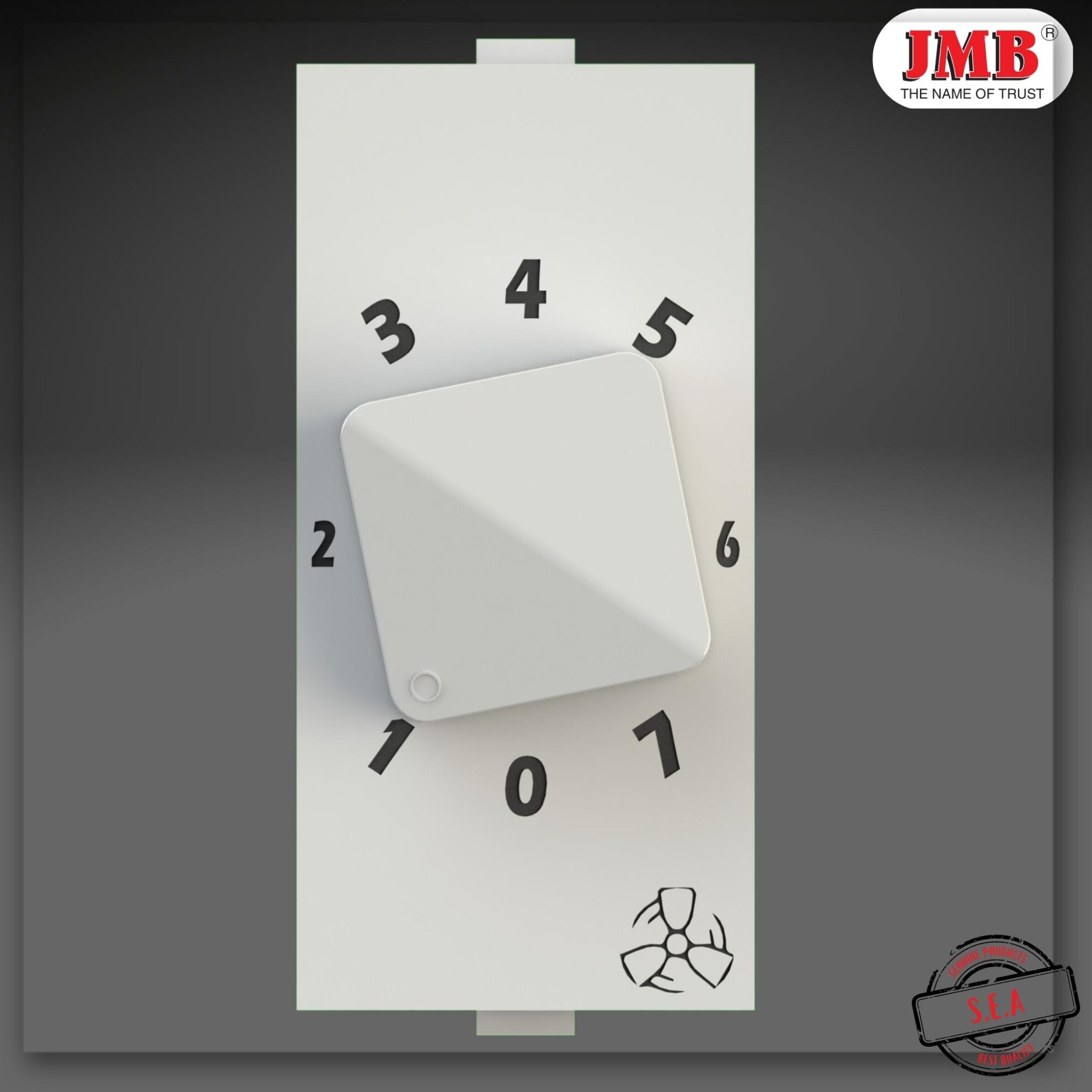
Electronic fan regulators use semiconductor technology to control fan speed more efficiently. They produce less heat, offer smoother speed transitions, and consume less power. Products like the 1 M 7 Diamond Modular Ceiling Fan Regulator use advanced circuitry that extends fan life and reduces energy waste.

Modular Touch Regulators

Modern modular regulators feature touch-sensitive panels or buttons instead of rotating knobs. They provide precise speed control and add a contemporary aesthetic to your walls. The 1 M 7 Dio Modular Regulator offers sleek designs that complement modern interiors while delivering reliable performance.

Smart Digital Regulators

The most advanced option, smart regulators can be controlled remotely via smartphone apps or voice assistants. They often include features like timer settings, energy monitoring, and integration with home automation systems.

Understanding your fan regulator switch type helps you identify the correct terminals and wiring configuration during installation.

Tools and Materials Needed

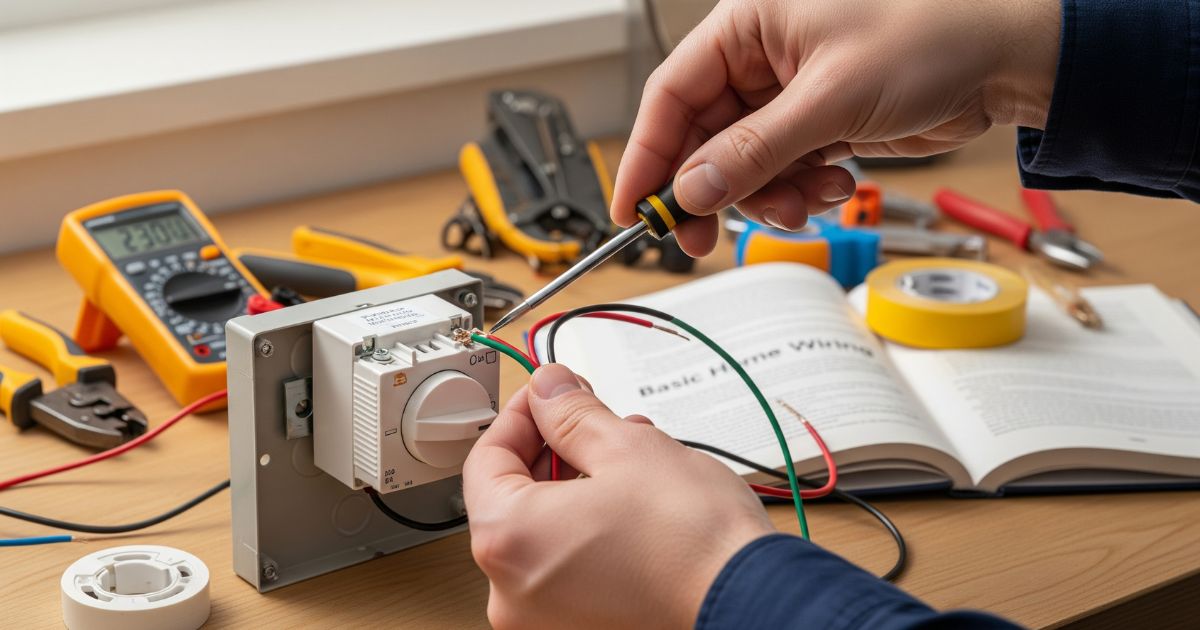
Gathering the right tools before starting makes the installation process smoother and safer. Here’s what you’ll need:

Basic Tools:

  • Flathead and Phillips screwdimmers
  • Wire stripper or cutter
  • Voltage tester or multimeter
  • Pliers (needle-nose preferred)
  • Electrical tape
  • Small torch or flashlight

Safety Equipment:

  • Insulated gloves
  • Safety glasses
  • Non-conductive ladder or step stool
  • Insulated screwdrivers

Materials:

  • New fan regulator (appropriate for your fan wattage)
  • Wire connectors or terminals (if not included)
  • Mounting screws (usually provided with the regulator)
  • Modular box (if upgrading to modular type)

Having everything ready before you begin prevents unnecessary trips and keeps you focused on the task.

Safety Precautions Before Starting

Electrical work requires strict adherence to safety protocols. Never skip these critical steps:

Turn Off Main Power Supply

Locate your home’s circuit breaker panel and switch off the breaker controlling the fan circuit. Simply turning off the wall switch isn’t sufficient as someone might accidentally turn it back on while you’re working.

Verify Power is Off

Use a voltage tester to confirm that no electricity is flowing to the wires. Test both the existing regulator terminals and the wire connections. This simple check can prevent serious electrical shock.

Inform Household Members

Let everyone in your home know that you’re working on electrical installations. Consider placing a note on the breaker panel to prevent anyone from turning the power back on.

Work in Proper Lighting

Ensure adequate lighting in your work area. If the room is dark, use a battery-powered flashlight rather than relying on room lights that may be on the same circuit.

Check Regulator Compatibility

Verify that your new regulator matches your fan’s wattage rating. Installing an undersized regulator can cause overheating and potential fire hazards.

Step-by-Step Guide to Connect a Fan Regulator

Now that you’ve prepared properly, follow these detailed steps to install your fan regulator safely.

Step 1: Turn Off Power and Remove the Old Regulator

After switching off the circuit breaker, remove the faceplate of your existing regulator by unscrewing it. Most regulators have two screws holding the plate in place. Set aside the screws carefully as you may need them for the new installation.

Gently pull the old regulator forward to expose the wiring behind it. Take a photo of the existing connections with your phone before disconnecting anything. This visual reference can be helpful if you need to troubleshoot later.

Step 2: Identify Wiring Connections

Indian electrical systems typically use three types of wires:

  • Live Wire (Phase): Usually red or brown, this carries current from the power source
  • Neutral Wire: Typically black or blue, this completes the circuit
  • Earth Wire: Green or green-yellow striped, providing safety grounding

Fan regulator wiring involves four connection points:

  1. Incoming live wire from the switchboard
  2. Outgoing live wire to the fan
  3. Neutral wire (common connection)
  4. Earth wire (safety ground)

Use your voltage tester one final time to confirm all wires are de-energized before touching them.

Step 3: Connect the Live Wire to the Regulator

The regulator controls fan speed by regulating the current flowing through the live wire. Identify the terminal marked “Input” or “L-In” on your new regulator. Connect the incoming live wire (from your switchboard) to this terminal.

Next, locate the terminal marked “Output,” “Load,” or “L-Out.” Connect the wire going to your fan to this terminal. These connections allow the regulator to control the current flowing to your fan motor.

If you’re installing modular products like the 1 M 7 SILVER, the terminals will be clearly labeled on the back. Loosen the terminal screws, insert the stripped wire ends (about 8-10mm of exposed wire), and tighten securely without over-torquing.

Step 4: Connect Neutral and Earth Wires

The neutral wire typically bypasses the regulator and connects directly in the electrical box using wire connectors. Join all neutral wires together: the incoming neutral, the outgoing neutral to the fan, and the regulator’s neutral connection (if applicable).

Similarly, connect all earth wires together. Even though the earth doesn’t carry current during normal operation, it provides crucial protection against electrical faults.

Wrap all wire connections with electrical tape for added insulation and security.

Step 5: Secure the Regulator and Switch Plate

Carefully push the connected regulator back into the mounting box. Ensure no wires are pinched or stressed. The regulator should fit snugly without forcing.

Align the regulator properly so that the control knob or switch faces the correct direction. Use the provided screws to secure the regulator to the box. Don’t overtighten as this can crack plastic components.

Attach the faceplate or modular frame. For modular regulators like the 1 M CROMA BLACK Modular Regulator, snap the frame into place and ensure it sits flush against the wall.

Step 6: Turn On Power and Test

Return to your breaker panel and switch the circuit back on. Test the regulator at different speed settings to ensure it’s working correctly. The fan should respond smoothly to speed adjustments without unusual noises or flickering.

If everything works properly, your installation is complete. If you notice any issues, turn off the power immediately and recheck your connections.

Common Mistakes to Avoid

Even experienced DIYers can make errors during installation. Watch out for these common pitfalls:

Reversing Input and Output Connections

Connecting wires to wrong terminals is the most frequent mistake. Always double-check that the incoming live wire connects to the input terminal and the fan wire connects to the output.

Inadequate Wire Stripping

Stripping too much insulation exposes excess bare wire that could cause short circuits. Strip only 8-10mm of insulation. Conversely, stripping too little prevents proper contact with terminals.

Ignoring Wire Capacity

Using wires that are too thin for your fan’s current rating creates fire hazards. Standard ceiling fans typically require 1.5 sq mm wires for safe operation.

Overtightening Terminal Screws

Excessive force can damage the regulator’s internal components or break wire strands. Tighten screws firmly but gently until the wire is secure.

Mixing Regulator Types

Don’t install an electronic regulator designed for induction motors with a brushless DC fan or vice versa. Always match the regulator type to your fan’s motor technology.

Troubleshooting Tips

If your fan doesn’t work correctly after installation, try these diagnostic steps:

Regulator Not Working at All

First, verify that power is reaching the circuit by checking the breaker. Test the voltage at the regulator’s input terminal. If voltage is present but the fan won’t run, check for loose connections or a faulty regulator.

Fan Speed Not Changing

If the fan runs at only one speed regardless of regulator setting, you may have bypassed the regulator accidentally by connecting the fan wire directly to the incoming live. Review your connections against the wiring diagram.

Flickering or Buzzing Sounds

These symptoms often indicate loose connections or incompatibility between the regulator and fan type. Tighten all terminals and verify that your regulator suits your fan’s technology. Older step-type regulators commonly produce humming sounds, which is normal.

Regulator Overheating

If the regulator becomes excessively hot during operation, it may be undersized for your fan’s wattage. Replace it with a higher-capacity model suitable for your fan.

Intermittent Operation

Check for damaged wires or corroded terminals in the connection box. Clean or replace as necessary.

Choosing Quality Products for Reliable Performance

The quality of your fan regulator significantly impacts both safety and longevity. At Sai Electronics India, we manufacture a wide range of fan regulators designed for Indian electrical systems and climate conditions.

Our modular series combines aesthetic appeal with robust functionality. Whether you need a basic rotary regulator or an advanced touch-based control, you’ll find suitable options in our Shop.

Before making a purchase, consider factors like your fan’s power rating, room aesthetics, and desired features. 

For comprehensive guidance on choosing between different technologies, check out our article on choosing analog, digital, and smart fan regulators. Understanding these differences helps you make informed decisions that balance functionality, energy efficiency, and budget.

Conclusion

Learning how to connect fan regulator properly empowers you to handle basic electrical maintenance confidently. By following the steps outlined in this guide, using appropriate tools, and prioritizing safety, you can successfully install a fan regulator in your home.

Remember that the key to successful installation lies in careful preparation, accurate wire identification, and thorough testing. Don’t rush through any step, and never compromise on safety protocols.

If you feel uncertain about any part of the process, consulting a licensed electrician is always the wise choice. Electrical work requires respect and caution, regardless of how simple it may seem.

For more insights on fan regulators and modern electrical solutions, visit our article on how to choose the best fan regulator for your lifestyle.

Ready to upgrade your fan control system? 

Visit Sai Electronics India to find premium quality regulators designed for safety, efficiency, and style. Our expert team can help you choose the perfect regulator for your needs.

Categories
Blogs Fan Regulator Manufacturing

Smart Home Electronics: Making Life Simpler and Safer

The world of home living has undergone a significant transformation, largely thanks to the rapid evolution of smart home electronics. What was once the stuff of science fiction is now an everyday reality, making our residences more convenient, comfortable, and secure. From controlling major appliances remotely to optimizing energy consumption, these technological leaps have completely redefined what a modern home can be. This shift isn’t just about adding gadgets; it’s about seamlessly integrating technology to simplify daily routines and enhance personal safety.

A Look Back: The Journey of Smart Home Technology

The idea of an automated, intelligent dwelling has fascinated people for generations. While early concepts existed primarily in books and films, practical applications started emerging in the late 20th century. Basic home automation systems, early programmable thermostats, and rudimentary remote-controlled lighting set the stage. These early steps demonstrated the potential for technology to take over mundane tasks, freeing up homeowners’ time and effort.

The Connectivity Revolution: The Internet of Things (IoT)

The real explosion in home intelligence came with the widespread adoption of the Internet of Things (IoT). Simply put, IoT is the network of physical devices equipped with sensors, software, and network connectivity, allowing them to collect and exchange data. In the smart home context, this means your thermostat can talk to your lighting system, your security camera can send alerts to your phone, and even subtle but crucial devices like modern fan regulator manufacturers in India have embraced smarter, more efficient designs. This level of interconnectivity allows for a unified, responsive living environment.

Essential Smart Home Devices and Their Impact

Today, smart home technology offers an extensive array of devices designed to improve various facets of home life. Let’s look at some key examples:

  • Virtual Assistants and Smart Speakers: Devices like Google Home and Amazon Echo act as the central nervous system for many smart homes. They enable voice control over a host of other devices, allowing users to adjust the temperature, play music, manage lights, and much more, all through simple spoken commands.
  • Intelligent Climate Control (Thermostats): Modern smart thermostats go far beyond simple on/off switches. They learn your preferred schedules, adapt to seasonal changes, and, crucially, can be adjusted from anywhere via a smartphone. This leads directly to substantial energy efficiency and cost savings.
  • Advanced Security Systems: Home safety has been dramatically upgraded with the introduction of smart doorbells, high-definition cameras, and sensitive motion sensors. Homeowners can monitor their property in real-time, receive instant alerts for any unusual activity, and even communicate with visitors remotely, significantly boosting security and providing unparalleled peace of mind.
  • Smarter Lighting Solutions: Smart lighting systems offer not only convenience through remote control and scheduling but also energy savings. Users can customize light color and intensity to create the perfect ambiance for any occasion.
  • High-Tech Kitchen Appliances: From smart ovens that can be preheated on the commute home to refrigerators that help track inventory, these appliances simplify kitchen management and daily chores.
  • Keyless and Smart Locks: These systems enhance security by allowing homeowners to lock and unlock doors remotely, grant temporary access codes to guests or service providers, and monitor all entries and exits.

Enhancing Comfort and Efficiency with Fan Regulation

In a climate like India’s, the ceiling fan is a staple appliance. While often overlooked, the device that controls its speed, the fan speed controller or electric fan regulator, is a critical component for both comfort and energy consumption. Modern smart homes are moving away from older, less efficient components and adopting intelligent, reliable solutions.

The evolution from bulky, less-precise resistors to compact, highly efficient electronic options has been a game-changer. For example, a quality modular fan regulator offers smoother speed control and better energy savings compared to its older counterparts. Knowing the differences can be helpful. You can learn more about the technical aspects by reading this helpful resource: The Science Behind Fan Regulators: Analog vs Digital Explained.

When considering an upgrade, people often look for a good balance of quality and affordability, asking about the fan regulator cost, fan regulator price, or the ceiling fan regulator price. Fortunately, the market now offers competitive pricing on high-quality components. If you are in the market to buy fan regulator online or are a B2B client looking for reliable suppliers, the focus should be on manufacturers who adhere to strict quality standards.

For contractors, distributors, and bulk purchasers looking for a dependable fan regulator manufacturer in Ahmedabad or across the nation, finding reliable partners is key. The reputation of a fan regulator company hinges on the longevity and efficiency of its products. Look for established fan regulator manufacturers that provide robust and energy-efficient options. This is a crucial element of any modern electrical fitting.

The demand for better control has led to innovations like the fan regulator with remote or remote control fan regulator, which further integrates the fan into the smart home ecosystem. Imagine adjusting your fan speed from your couch using a small remote, or even integrating it into a smart speaker routine. This level of convenience is becoming the new norm. Whether you need a standard ceiling fan regulator, a sleek modular regulator, or information on a specific product like the 1 M 7 Diamond Modular Ceiling Fan Regulator, quality options are widely available.

Reliable, well-designed regulators, such as the 1 M 7 Dio Modular Regulator or the 1 M 7 Indico Modular Regulator, ensure that your fan operates efficiently at every setting, reducing power wastage. For those interested in sourcing the best components, it is worthwhile to connect with experienced fan regulator manufacturers in India.

When issues arise with existing systems, it’s beneficial to have resources available. Even simple fixes can sometimes be necessary. If you encounter any snags, this might help: Troubleshooting Guide: Fixing Common Fan Regulator Issues at Home.

The Profound Impact of Smart Tech on Daily Life

The integration of smart home technology delivers profound benefits that enhance the quality of life:

  • Unmatched Convenience: The ability to control almost any aspect of your home via voice command or a mobile app fundamentally simplifies daily routines. Adjusting the speed regulator for fan without getting up, turning off lights remotely, or receiving a notification when a package arrives makes life genuinely easier.
  • Optimized Household Management: Automated systems are excellent at managing energy. They can learn peak times and automatically reduce consumption, leading to lower utility bills and a smaller carbon footprint. This focus on efficiency extends even to small but important devices, such as selecting an electronic fan regulator over a conventional one.
  • Boosted Safety and Security: Real-time monitoring and instant alerts transform home security. Knowing you can check on your property instantly, regardless of your location, offers incredible assurance.

Smart Home Technology and Enhanced Accessibility

An important, often understated benefit of smart home technology is its potential to significantly enhance accessibility. Individuals with mobility challenges or cognitive impairments can greatly benefit from voice-activated controls and automated routines. Smart devices can empower them to manage their living spaces with ease, fostering a greater sense of independence and dignity within the home.

Addressing Concerns: Security, Integration, and Longevity

While the advantages are compelling, a responsible discussion must address potential downsides. Data security and user privacy remain paramount concerns. As devices collect and transmit personal data, manufacturers must commit to the highest security protocols to protect sensitive information. Users must also be diligent about securing their home networks.

Another practical challenge is ensuring different devices can work together seamlessly. While progress has been made, the “interoperability” of various smart devices remains a key factor for a frustration-free smart home experience. A smart home should be a cohesive system, not a collection of isolated gadgets. Furthermore, when selecting components like a modular regulator, considering the brand’s reliability and the product’s longevity, such as the widely used 1 M 7 SILVER, is crucial. Quality should always outweigh the initial low cost.

The Trajectory of Smart Home Technology

The future of the smart home is extraordinarily bright and continues to accelerate, driven by leaps in machine learning, Artificial Intelligence (AI), and next-generation connectivity like 5G. Future homes will likely feature even more self-governing systems that anticipate and respond to occupant needs without explicit instruction. Imagine a home that adjusts the ceiling fan speed controller not just based on a set time, but based on a combination of the external weather, the internal temperature, and the specific number of people in the room.

The push for energy efficiency and sustainable living will also drive innovation, making devices like advanced electronic fan regulator manufacturers even more central to the design of an eco-friendly dwelling. As technology becomes more intuitive and costs continue to moderate, the sophisticated, interconnected smart home will move from luxury to standard.

If you are looking to learn more about setting up your smart home or sourcing high-quality electrical components like fan regulators, you can always Contact Us for expert advice.

Conclusion

The evolution of smart home electronics is more than a trend; it’s a fundamental shift in how we interact with our living spaces. From early automation to today’s complex IoT-powered environments, technology has continuously delivered greater simplicity and enhanced safety. By responsibly embracing innovations, from smart cameras to energy-saving fan regulator manufacturers, we are paving the way for homes that are not only smarter but also more efficient, secure, and ultimately, better places to live.

Categories
Blogs Fan Regulator Manufacturing

How to Choose the Best Fan Regulator for Your Lifestyle

Picture this: It’s a warm evening in Ahmedabad, and you’re trying to relax at home. You reach for your ceiling fan remote, only to find the speed settings aren’t quite right. Too fast, and you’re chilly. Too slow, and you’re still uncomfortable. Sound familiar? The solution might be simpler than you think – choosing the right fan speed controller for your needs.

In today’s world, where comfort meets energy consciousness, selecting an appropriate regulator for your ceiling fan has become more important than ever. Whether you’re building a new home, renovating your space, or simply upgrading your electrical fittings, understanding fan regulators can make a significant difference in your daily comfort and monthly electricity bills.

Understanding Fan Regulators: More Than Just Speed Control

Before diving into selection criteria, let’s understand what makes these devices tick. A fan regulator, at its core, controls the voltage supplied to your ceiling fan motor, thereby adjusting its speed. But modern regulators do much more than that – they’re sophisticated devices that balance energy efficiency with precise control.

The evolution from traditional resistive regulators to today’s electronic fan regulator models represents a significant leap in technology. While older models wasted energy as heat, contemporary designs from leading fan regulator manufacturers ensure minimal energy loss and maximum efficiency.

Types of Fan Regulators Available in the Market

The Indian market offers various options, each suited to different needs and preferences:

Step-Type Regulators: These offer discrete speed levels, typically 1-5 settings. They’re perfect for those who prefer simple, straightforward control. A quality 5 step fan regulator price ranges from ₹200 to ₹500, depending on the brand and features.

Continuous Regulators: These provide smooth, variable speed control, allowing you to fine-tune your fan’s speed to exact preferences. They’re ideal for those seeking precise comfort levels.

Smart Regulators: The newest entrants, these connect to your home automation system. A fan regulator with remote capability or app control brings convenience to your fingertips.

Modular Regulators: Designed to fit seamlessly into modern modular switches, these combine aesthetics with functionality. The modular fan regulator price varies based on design and features.

Key Factors to Consider When Choosing Your Fan Regulator

1. Your Lifestyle and Usage Patterns

Your daily routine significantly impacts your choice. If you work from home, you might benefit from a remote control fan regulator that allows adjustments without leaving your desk. Night owls might prefer models with LED indicators for easy visibility in darkness.

Consider your family’s needs too. Households with elderly members or children often find remote-controlled options more convenient. Meanwhile, tech-savvy families might gravitate toward smart regulators integrated with home automation systems.

2. Room Size and Fan Specifications

Not all regulators work with every fan. The capacity of your ceiling fan with regulator combination matters. Larger rooms with bigger fans require regulators capable of handling higher loads. Always check:

  • Your fan’s wattage rating
  • The regulator’s maximum load capacity
  • Compatibility with your existing electrical setup

A mismatch can lead to poor performance or even damage to your equipment. When in doubt, consult the specifications or speak with experts who understand The Science Behind Fan Regulators: Analog vs Digital Explained.

3. Energy Efficiency Considerations

With rising electricity costs, energy efficiency isn’t just an environmental concern – it’s a financial one. Electronic regulators typically consume 40-50% less power than traditional resistive models. Over a fan’s lifetime, this translates to substantial savings.

Look for regulators with:

  • Low standby power consumption
  • Efficient voltage regulation
  • Minimal heat generation

The initial fan regulator cost might be higher for energy-efficient models, but the long-term savings justify the investment.

4. Budget and Value Analysis

Understanding fan regulator price variations helps make informed decisions. While fan regulator low price options might seem attractive, consider the total cost of ownership:

  • Initial purchase price
  • Installation costs
  • Energy consumption over time
  • Replacement frequency

Quality regulators from established fan regulator manufacturers in India often provide better value despite higher upfront costs. The cost of fan regulator replacement, including labor, makes durability an important consideration.

Installation and Compatibility

Understanding Your Electrical Setup

Before purchasing, assess your home’s electrical infrastructure. Modern modular regulator systems require compatible switch plates. If you’re upgrading from traditional switches, factor in the modular regulator price along with installation costs.

Key compatibility checks include:

  • Voltage requirements (typically 220-240V in India)
  • Switch box dimensions
  • Existing wiring condition
  • Load capacity of your circuit

Professional Installation vs. DIY

While understanding how to connect fan regulator might seem straightforward, professional installation ensures safety and optimal performance. Incorrect wiring can damage the regulator or fan motor. If you encounter issues post-installation, refer to this helpful Troubleshooting Guide: Fixing Common Fan Regulator Issues at Home.

Popular Models and Their Features

Entry-Level Options

For budget-conscious consumers, basic step-type regulators offer reliable performance. Products like the 1 M 7 SILVER provide essential speed control without breaking the bank. These models typically feature:

  • 4-5 speed settings
  • Simple rotary or slide controls
  • Durable construction
  • Easy installation

Mid-Range Solutions

The sweet spot for most households, mid-range options balance features with affordability. Models such as the 1 M 7 Diamond Modular Ceiling Fan Regulator offer:

  • Smooth speed transitions
  • Modular design compatibility
  • Enhanced durability
  • Better energy efficiency

Premium Choices

For those seeking the best fan regulator experience, premium models deliver advanced features. The 1 M 7 Dio Modular Regulator and 1 M 7 Indico Modular Regulator represent top-tier options with:

  • Superior build quality
  • Extended warranties
  • Advanced circuitry for minimal power loss
  • Aesthetic designs that complement modern interiors

Understanding Technical Specifications

Reading the Circuit Diagram

For technically inclined users, understanding the fan regulator circuit diagram helps in troubleshooting and maintenance. Key components include:

  • Capacitors: In electronic models, the fan regulator cap manages voltage regulation
  • Triacs or Thyristors: Control power flow to the motor
  • Protection circuits: Prevent damage from voltage spikes

Power Ratings and Safety

Always match your regulator’s power rating to your fan’s requirements. A ceiling fan speed controller rated for 100W won’t adequately control a 120W fan. This mismatch can cause:

  • Overheating
  • Reduced regulator lifespan
  • Potential fire hazards
  • Poor speed control

The Digital Revolution in Fan Control

Smart Home Integration

Modern living demands connected devices. Smart regulators offer:

  • Voice control via Alexa or Google Assistant
  • Scheduling capabilities
  • Energy monitoring
  • Remote access via smartphone apps

While the electronic fan regulator price for smart models is higher, the convenience and energy insights they provide often justify the investment.

Future-Proofing Your Choice

Technology evolves rapidly. When selecting a fan speed regulator, consider:

  • Upgrade possibilities
  • Compatibility with emerging standards
  • Manufacturer support and updates
  • Availability of replacement parts

Making Your Purchase Decision

Where to Buy

You have several options when ready to buy fan regulator online or offline:

Online Platforms: Offer convenience, reviews, and competitive pricing. The ability to compare fan regulator online prices across multiple sellers helps find the best deals.

Local Electrical Shops: Provide hands-on inspection and immediate availability. Search for “fan regulator shop near me” to find nearby options.

Authorized Dealers: Ensure genuine products with valid warranties. Established fan regulator company outlets often provide expert guidance.

Comparing Options

Create a comparison chart considering:

  • Features vs. price
  • Warranty terms
  • User reviews
  • Brand reputation
  • After-sales service

The 2 module fan regulator price might vary significantly between brands, but factors beyond cost determine value.

Regional Considerations for Indian Consumers

Climate Impact

India’s diverse climate zones affect regulator choice:

  • Coastal areas: High humidity demands corrosion-resistant models
  • Northern plains: Extreme temperature variations require robust components
  • Southern regions: Year-round usage necessitates durable options

Local Availability and Service

Choosing from fan regulator manufacturers in Ahmedabad or other major cities ensures:

  • Readily available spare parts
  • Local service support
  • Faster warranty claims
  • Regional language support

Maintenance and Longevity

Extending Regulator Life

Proper care ensures years of trouble-free operation:

  • Regular cleaning prevents dust accumulation
  • Avoid overloading beyond rated capacity
  • Ensure proper ventilation around the regulator
  • Address unusual noises or heating promptly

When to Replace

Signs indicating replacement need:

  • Inconsistent speed control
  • Excessive heating
  • Unusual sounds during operation
  • Visible damage or burn marks

The electric fan regulator price for replacement varies, but safety should never be compromised.

Environmental Impact and Sustainability

Choosing energy-efficient regulators contributes to environmental conservation. Electronic fan regulator manufacturers increasingly focus on:

  • Reduced power consumption
  • Recyclable materials
  • Longer product lifespans
  • Minimal packaging

Your choice impacts not just your electricity bill but also your carbon footprint.

Expert Tips for Optimal Selection

Based on extensive market analysis and user feedback, here are insider recommendations:

  1. Prioritize Quality: The best fan regulator isn’t always the most expensive, but extremely cheap options often disappoint. 
  2. Check Certifications: Look for ISI marks and other quality certifications. 
  3. Consider Future Needs: Your requirements might change. Choose flexible solutions. 
  4. Read Reviews: Real user experiences provide valuable insights beyond specifications. 
  5. Warranty Matters: Longer warranties often indicate manufacturer confidence. 

Common Mistakes to Avoid

Learning from others’ experiences helps make better choices:

  • Ignoring Compatibility: Not all regulators work with all fans
  • Overlooking Installation Costs: Factor in professional installation charges
  • Choosing Based on Price Alone: Cheapest isn’t always most economical
  • Forgetting About Aesthetics: Regulators are visible; design matters
  • Neglecting Safety Features: Surge protection and overload protection are crucial

The Indian Market Perspective

The Indian market offers unique advantages:

Local Manufacturing

Many fan regulator manufacturers in India provide:

  • Competitive pricing
  • Products designed for local conditions
  • Faster delivery and service
  • Support for Make in India initiative

Price Range Overview

Understanding market pricing helps set realistic budgets:

  • Basic models: ₹150-300
  • Mid-range options: ₹300-600
  • Premium regulators: ₹600-1500
  • Smart regulators: ₹1500 and above

The ceiling fan regulator price varies based on features, brand, and technology.

Conclusion: Making the Right Choice

Selecting the ideal fan regulator involves balancing multiple factors – from technical specifications to lifestyle needs. Whether you opt for a simple electric regulator or a sophisticated smart model, the key lies in understanding your requirements and matching them with available options.

Remember, the perfect regulator enhances comfort while reducing energy consumption. It’s an investment in your daily comfort and long-term savings. Take time to research, compare options, and choose wisely.

For those seeking quality products from reliable fan regulator manufacturers, exploring established brands ensures peace of mind. Whether you need a basic speed regulator for fan or an advanced 4 step modular fan regulator, the Indian market offers solutions for every need and budget.

Ready to upgrade your comfort? Start by assessing your needs, setting a budget, and exploring options from trusted manufacturers. For personalized recommendations or technical queries, don’t hesitate to Contact Us – because your comfort matters, and choosing the right fan regulator is the first step toward achieving it.

Categories
Blogs Fan Regulator Manufacturing

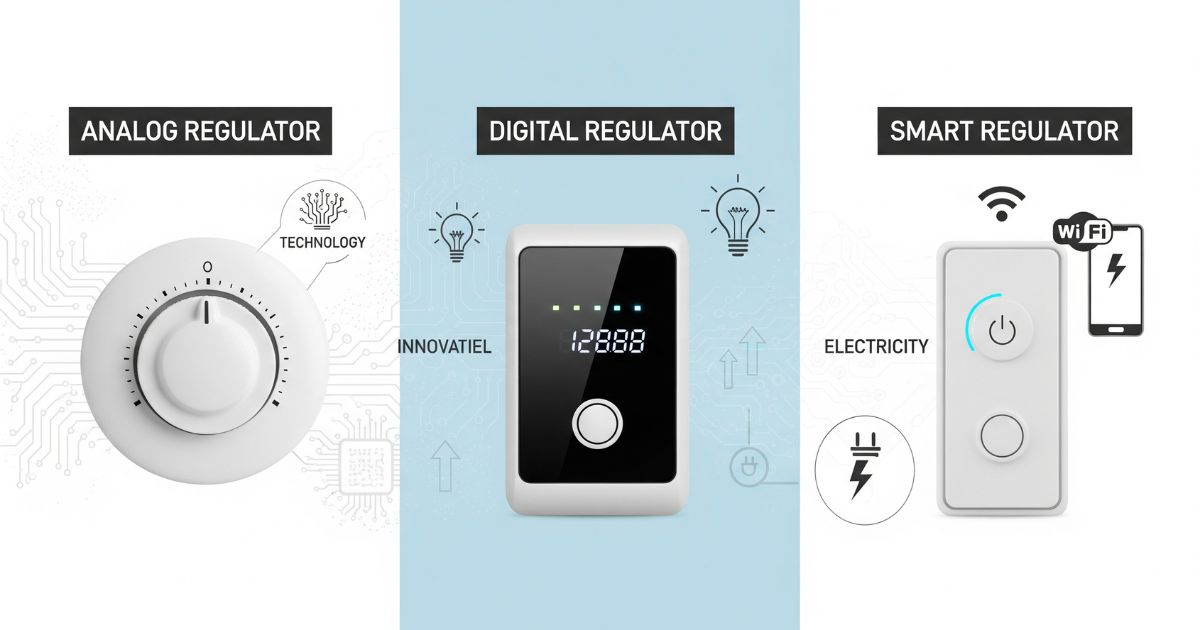
Choosing Between Analog, Digital, and Smart Fan Regulators

When it’s time to upgrade your home’s cooling system or replace that old ceiling fan regulator, you’re faced with more options than ever before. The days of simply picking up any fan speed controller from the local hardware store are behind us. Today’s market offers analog, digital, and smart fan regulators, each with distinct advantages and price points that cater to different needs and budgets.

Making the right choice between these technologies isn’t just about the fan regulator cost anymore. It’s about finding the perfect balance between functionality, energy efficiency, and your lifestyle requirements. Whether you’re building a new home in Ahmedabad or upgrading your existing setup, understanding these differences will help you make an informed decision that you won’t regret later.

Understanding the Basics: What Makes Each Type Different?

Analog Fan Regulators: The Traditional Choice

Analog regulators have been the backbone of ceiling fan control for decades. These mechanical devices use a simple resistance-based system to control your fan’s speed. When you rotate that familiar dial or slide the switch, you’re physically changing the resistance in the circuit, which directly affects how fast your ceiling fan spins.

The beauty of analog regulators lies in their simplicity. There’s no complicated setup, no need for smartphone apps, and definitely no Wi-Fi connection required. Just install it, turn the dial, and you’re good to go. For many homeowners, especially those who value straightforward solutions, this remains an attractive option when considering the cost of fan regulator installations.

However, this simplicity comes with a trade-off. Analog regulators work by dissipating excess energy as heat, which means they’re not the most energy-efficient option available. If you’ve ever noticed your old regulator getting warm to the touch, that’s wasted energy being converted to heat instead of being saved on your electricity bill.

Digital Fan Regulators: The Modern Middle Ground

Digital or electronic fan regulator technology represents a significant step forward in efficiency and precision. Instead of using resistance to control speed, these devices employ electronic circuits that regulate voltage more precisely. This means smoother speed transitions, better energy efficiency, and often a longer lifespan for both the regulator and your ceiling fan motor.

The fan regulator price for digital models typically sits between analog and smart options, making them an excellent choice for budget-conscious consumers who still want improved efficiency. Many modular fan regulator designs now incorporate digital technology, fitting seamlessly into modern electrical panels and switch plates.

What sets digital regulators apart is their ability to maintain consistent fan speeds regardless of voltage fluctuations. If you live in an area where power supply isn’t always stable, a digital regulator can help protect your fan motor while ensuring consistent performance. The 1 M 7 Diamond Modular Ceiling Fan Regulator exemplifies this technology, offering precise control in a sleek, modular design.

Smart Fan Regulators: The Future of Climate Control

Smart regulators represent the cutting edge of fan control technology. These devices don’t just regulate speed; they integrate with your entire home ecosystem. Imagine adjusting your ceiling fan regulator from your office, scheduling it to turn on before you arrive home, or having it automatically adjust based on room temperature and occupancy.

The remote control fan regulator functionality is just the beginning. Modern smart regulators can connect to your home’s Wi-Fi network, allowing control through smartphone apps, voice assistants like Alexa or Google Assistant, and even automated routines based on your daily schedule. Some advanced models include sensors that detect room temperature, humidity, and even the number of people present, adjusting fan speed accordingly for optimal comfort and energy savings.

Breaking Down the Cost Factor: Initial Investment vs. Long-term Savings

Initial Investment vs. Long-term Savings comparison, relevant to costs in fan regulator manufacturing. Visual representation of the trade-off between initial investment costs and potential long-term savings, a key consideration for fan regulator manufacturing processes.

Analog Regulator Pricing

When examining fan regulator lowest price options, analog models typically win the initial cost battle. You can find basic analog regulators starting from as low as ₹150-200, with more durable branded options ranging from ₹300-500. The installation is straightforward, often requiring no professional help if you have basic electrical knowledge.

However, the real cost consideration comes in energy consumption. Since analog regulators waste energy as heat, they can add approximately 15-20% to your fan’s operating cost over time. For a household running multiple fans regularly, this inefficiency can translate to noticeable increases in electricity bills.

Digital Regulator Investment

The electronic fan regulator price typically ranges from ₹400-1,200, depending on features and brand quality. Products like the 1 M 7 Dio Modular Regulator offer excellent value in this category, combining modern aesthetics with reliable digital control.

The energy savings with digital regulators can be substantial. They typically reduce energy consumption by 30-40% compared to analog models, which means the higher initial investment often pays for itself within 1-2 years of regular use. Additionally, the precise control reduces wear on your fan motor, potentially extending its lifespan significantly.

Smart Regulator Economics

Smart fan regulators command premium prices, typically starting from ₹1,500 and going up to ₹5,000 or more for advanced models. The 2 module fan regulator price for smart variants can be even higher when you factor in professional installation and setup requirements.

Yet, the economic argument for smart regulators extends beyond simple energy savings. These devices can reduce your cooling costs by up to 50% through intelligent scheduling and adaptive control. If you’re already invested in home automation or planning to build a smart home, the integration capabilities alone might justify the investment.

Installation and Setup: What to Expect with Each Type

Installing Analog Regulators

The installation process for analog regulators remains refreshingly simple. If you’re replacing an existing regulator, it’s often a matter of disconnecting the old unit and connecting the new one following the same wiring pattern. The typical installation involves:

  • Turning off power at the main circuit breaker
  • Removing the old regulator
  • Connecting live, neutral, and fan wires to the new unit
  • Securing the regulator in the electrical box
  • Testing at different speed settings

Most homeowners with basic DIY skills can complete this installation in under 30 minutes. The fan regulator switch type doesn’t require any special tools beyond a screwdriver and wire stripper.

Setting Up Digital Regulators

Digital regulator installation follows a similar process to analog models, but with a few additional considerations. The modular regulator design of modern digital units often requires specific mounting brackets or frames. The 1 M 7 Indico Modular Regulator comes with clear installation instructions that make the process manageable for most users.

The key difference lies in ensuring compatibility with your existing wiring and electrical box. Some digital regulators require a neutral wire connection, which older homes might not have readily available at the switch location. In such cases, professional installation might be necessary.

Configuring Smart Regulators

Smart regulator installation represents a more complex undertaking. Beyond the physical installation, which often mirrors digital regulators, you’ll need to:

  • Connect the device to your home Wi-Fi network
  • Download and configure the manufacturer’s app
  • Set up voice control integration if desired
  • Create schedules and automation rules
  • Test remote access and control features

While manufacturers have made significant strides in simplifying this process, first-time smart home users might find the setup overwhelming. Many fan regulator manufacturers now offer detailed video tutorials and customer support to guide users through the installation process.

Energy Efficiency: The Hidden Savings Calculator

Understanding Power Consumption Patterns

The way different regulator types consume and manage power directly impacts your electricity bills. Analog regulators using resistance-based control convert unused electricity into heat. Running a 75-watt ceiling fan at 50% speed with an analog regulator still consumes nearly 60-65 watts, with the difference being wasted as heat.

Digital regulators employ pulse width modulation or similar technologies to actually reduce power consumption at lower speeds. That same 75-watt fan at 50% speed would consume approximately 35-40 watts with a digital regulator, representing real energy savings.

Smart regulators take this further by optimizing usage patterns. They can automatically reduce speed during cooler parts of the day, turn off when rooms are unoccupied, and work in conjunction with air conditioning systems to maximize comfort while minimizing energy use.

Regional Considerations for Indian Homes

In cities like Ahmedabad, where summer temperatures regularly exceed 40°C, ceiling fans run almost continuously for several months. The choice of regulator can significantly impact annual electricity costs. A household with four ceiling fans running 12 hours daily during summer months could save ₹2,000-3,000 annually by switching from analog to digital regulators, and potentially double that amount with smart regulators properly configured.

The 5 step fan regulator price might seem attractive initially, but understanding these long-term implications helps put the investment in perspective. Quality products from established fan regulator manufacturers in India factor in local climate conditions and usage patterns in their design.

Feature Comparison: Beyond Basic Speed Control

Analog Regulator Features

Despite their simplicity, analog regulators offer some advantages:

  • Reliability: Fewer components mean fewer potential failure points
  • No electromagnetic interference: Unlike digital devices, they don’t generate EMI
  • Universal compatibility: Works with virtually any ceiling fan model
  • Silent operation: No electronic buzzing or clicking sounds
  • Independence from power quality: Functions regardless of voltage fluctuations

Digital Regulator Capabilities

Modern digital regulators bring enhanced functionality:

  • Precise speed control: Maintains exact speeds without drift
  • LED indicators: Visual confirmation of selected speed settings
  • Capacitor protection: Built-in safeguards for fan motor capacitors
  • Compact design: The modular fan regulator price often includes space-saving benefits
  • Touch controls: Many models feature modern touch-sensitive panels

The 1 M 7 SILVER series demonstrates how digital technology can be packaged in aesthetically pleasing designs that complement modern interiors.

Smart Regulator Innovation

Smart regulators revolutionize fan control with features like:

  • Geofencing: Automatically adjusts when you leave or approach home
  • Weather integration: Responds to outdoor temperature and humidity changes
  • Energy monitoring: Tracks and reports actual power consumption
  • Multi-user profiles: Different settings for different family members
  • Integration capabilities: Works with other smart home devices for coordinated climate control
  • Firmware updates: Receives new features and improvements over time

Making the Right Choice for Your Home

For Traditional Homes and Rental Properties

If you’re living in a rental property or prefer keeping things simple, analog regulators remain a viable choice. The low fan regulator cost and easy installation make them perfect for temporary setups. They’re also ideal for outdoor installations where smart features would go unused.

Consider analog regulators if:

  • You’re on a tight budget
  • The fan usage is minimal
  • You prefer mechanical controls
  • You’re installing in locations without stable internet
  • Simplicity is your priority

For Modern Living Spaces

Digital regulators strike an excellent balance for most modern homes. The electronic fan regulator price has become increasingly competitive, making them accessible to middle-class households. They’re particularly suitable for:

  • Family homes with regular fan usage
  • Locations with unstable power supply
  • Users wanting energy savings without complexity
  • Modern modular electrical installations
  • Those planning gradual home upgrades

For Tech-Forward Households

Smart regulators suit homes where technology enhances daily living. If you already use smart speakers, automated lighting, or security systems, adding smart fan control creates a cohesive ecosystem. They’re ideal when:

  • Energy efficiency is a top priority
  • You travel frequently and want remote control
  • You’re building or renovating with future-proofing in mind
  • Comfort and convenience justify the investment
  • You enjoy data-driven insights about home energy use

Understanding Technical Specifications

Reading the Fan Regulator Circuit Diagram

Whether you’re technically inclined or just curious, understanding how to connect fan regulator units properly ensures safe installation. The basic fan regulator circuit involves connections to:

  1. Input line (Live): Connects to the main power supply
  2. Output to fan: Carries regulated power to the ceiling fan
  3. Neutral: Completes the circuit (required for some digital and all smart regulators)
  4. Ground: Safety connection (when available)

The regulator fan circuit for analog models is straightforward, with the resistance element in series with the fan motor. Digital circuits are more complex, incorporating semiconductors and control logic, while smart regulators add wireless communication modules and processors.

Compatibility Considerations

Before purchasing any regulator, verify compatibility with your ceiling fan. Most Indian ceiling fans work with standard regulators, but some considerations include:

  • Fan wattage: Ensure the regulator can handle your fan’s power rating
  • Number of speeds: Match the regulator’s speed options to your preferences
  • Mounting type: Confirm whether you need modular or conventional mounting
  • Wiring availability: Check for neutral wire availability for digital/smart options
  • Load capacity: Some regulators can control multiple fans

Maintenance and Longevity Factors

Analog Regulator Durability

The mechanical nature of analog regulators means wear and tear over time. The rotating components can develop dead spots, leading to inconsistent speed control. However, their simple construction means they often last 5-7 years with minimal maintenance. Regular cleaning of contacts and checking for loose connections can extend their lifespan.

Digital Regulator Reliability

Electronic components in digital regulators are generally more durable than mechanical parts. With no moving parts except for touch buttons or switches, they typically last 7-10 years. The main vulnerability comes from power surges and voltage spikes, making surge protection a worthwhile investment. The 4 step modular fan regulator designs often include built-in protection circuits.

Smart Regulator Maintenance

Smart regulators require both physical and software maintenance. While the hardware can last 10+ years with proper care, software updates are crucial for security and functionality. Regular app updates, occasional Wi-Fi reconnection, and firmware updates keep these devices running optimally.

The Environmental Impact Perspective

Choosing the right regulator for ceiling fan applications goes beyond personal convenience and cost savings. The environmental implications of your choice deserve consideration.

Energy-efficient regulators reduce carbon footprints by consuming less electricity. In a country where coal still generates significant electricity, every kilowatt saved matters. Digital and smart regulators can reduce a household’s fan-related energy consumption by 30-50%, translating to meaningful environmental benefits when multiplied across millions of homes.

Additionally, longer-lasting digital and smart regulators mean fewer devices in landfills. While they contain more complex electronics requiring proper disposal, their extended lifespan often results in less overall waste compared to frequently replaced analog units.

Future Trends in Fan Regulation Technology

The fan regulator industry continues evolving, with exciting developments on the horizon:

IoT Integration Advances

Future smart regulators will likely integrate with more IoT devices, creating truly intelligent climate control systems. Imagine regulators that communicate with smart windows, automated blinds, and HVAC systems to maintain perfect comfort with minimal energy use.

AI-Powered Optimization

Machine learning algorithms are beginning to appear in premium smart regulators. These systems learn your preferences and routines, automatically adjusting fan speeds based on historical data and predictive modeling.

Voice Control Evolution

While current smart regulators support basic voice commands, future models will understand natural language and context. Instead of saying “Set fan to speed 3,” you might simply say “I’m feeling a bit warm,” and the system will adjust accordingly.

Regional Market Insights: Focus on Indian Consumers

The Indian market for fan regulators presents unique characteristics. With ceiling fans being ubiquitous across the country, from metro cities to rural areas, the demand for efficient regulators continues growing. Fan regulator manufacturers in Ahmedabad and other industrial hubs are responding with products tailored to local needs.

The fan regulator price India market shows interesting segmentation:

  • Budget segment (₹150-400): Dominated by basic analog and entry-level digital regulators
  • Mid-range (₹400-1,200): Quality digital and modular options
  • Premium (₹1,200+): Smart regulators and high-end digital models

When you buy fan regulator online, you’ll notice increasing availability of all three types, with e-commerce platforms offering detailed comparisons and reviews. The electric fan regulator price varies significantly based on features, brand reputation, and warranty terms.

Making Your Final Decision: A Practical Framework

To choose the best fan regulator for your needs, consider these factors:

Budget Analysis

Calculate not just the initial ceiling fan regulator price but also:

  • Installation costs (if professional help needed)
  • Expected energy savings over 5 years
  • Potential maintenance or replacement costs
  • Value of convenience features for your lifestyle

Usage Patterns

Evaluate how you use ceiling fans:

  • Hours of daily operation
  • Seasonal usage variations
  • Number of speed changes typically needed
  • Importance of remote or automated control

Technical Comfort Level

Be honest about your technical capabilities:

  • Comfort with smartphone apps and settings
  • Willingness to troubleshoot connectivity issues
  • Interest in home automation
  • Patience for initial setup complexity

Future Plans

Consider your long-term housing situation:

  • Planning to stay long-term or might relocate
  • Interest in gradually building a smart home
  • Potential for elderly family members who might struggle with complex controls
  • Plans for home renovation or electrical upgrades

Expert Recommendations by Room Type

Different rooms in your home might benefit from different regulator types:

Bedrooms

Smart or digital regulators work excellently in bedrooms, where scheduled operation and quiet speed changes enhance sleep quality. The ability to control fans without getting out of bed adds significant convenience.

Living Rooms

Digital modular regulators offer the best balance for living spaces, providing precise control and modern aesthetics without overwhelming guests unfamiliar with smart home technology.

Kitchens

Analog or basic digital regulators often suffice for kitchen exhaust fans, where simple on/off or two-speed operation meets most needs.

Outdoor Spaces

Weather-resistant analog regulators typically work best for verandah or patio fans, where smart features would go unused and exposure to elements could damage sensitive electronics.

Troubleshooting Common Issues

Regardless of which type you choose, understanding common problems helps maintain optimal performance. For detailed solutions to specific issues, Troubleshooting Guide: Fixing Common Fan Regulator Issues at Home provides comprehensive assistance.

Regular issues include:

  • Speed fluctuations (common in worn analog regulators)
  • Humming sounds (often indicating capacitor problems)
  • Remote control range problems (in smart regulators)
  • App connectivity issues (Wi-Fi-related challenges)
  • Heating problems (overloaded or failing components)

The Science Behind Your Choice

Understanding the technical aspects helps make informed decisions. The Science Behind Fan Regulators: Analog vs Digital Explained delves deeper into the physics and electronics involved, perfect for those wanting comprehensive technical knowledge.

Conclusion: Your Path to Better Climate Control

Choosing between analog, digital, and smart fan regulators isn’t just about picking the newest technology or the cheapest option. It’s about finding the right match for your lifestyle, budget, and home environment. While analog regulators continue serving basic needs affordably, digital options offer improved efficiency and control. Smart regulators, despite their higher costs, provide unmatched convenience and energy optimization for tech-savvy users.

The Indian market offers excellent options across all categories, from budget-friendly analog models to cutting-edge smart systems. Whether you’re upgrading a single fan or outfitting an entire home, understanding these differences ensures you make a choice that delivers comfort, efficiency, and value for years to come.

Take time to assess your specific needs, consider long-term costs beyond the initial investment, and don’t hesitate to start with one type and gradually upgrade as your comfort and budget allow. The perfect fan regulator for your home is out there, waiting to transform how you experience comfort in your living spaces.

For personalized recommendations or to explore specific products matching your requirements, Contact Us for expert guidance tailored to your unique situation.

Categories
Blogs Fan Regulator Manufacturing

Why Local Manufacturers Are the Backbone of India’s Electronics Growth

India’s electronics industry has grown rapidly over the past decade, supported by a rising demand for energy-efficient products and a strong focus on domestic manufacturing. One essential component in everyday electrical systems is the fan regulator. Whether in homes, offices, commercial establishments, or industrial units, a reliable regulator ensures smooth fan operation, energy savings, and user comfort.

This rising demand has positioned fan regulator manufacturers in India as vital players in the country’s electronics growth. Local manufacturers are not only meeting domestic requirements but also building a reputation in global markets. For distributors, contractors, and businesses seeking bulk supplies, choosing the right manufacturer makes all the difference in quality, durability, and pricing.

The Rise of Fan Regulator Manufacturers in India

The growth of fan regulator manufacturers reflects India’s transformation into a hub for electrical and electronic products. With initiatives like Make in India, domestic manufacturers have received both government support and international attention. Businesses today prefer sourcing regulators locally due to:

  • Shorter supply chains and faster delivery.
  • Cost advantages without compromising quality.
  • Wide availability of modern, modular, and smart fan regulators.
  • Compliance with safety standards expected in international markets.

A trusted fan regulator company in India provides not only the product itself but also long-term value through consistency, technical expertise, and customer support.

Why Ahmedabad Is Emerging as a Hub for Fan Regulator Production

While manufacturing is spread across many Indian cities, Ahmedabad has become a notable center for fan regulator manufacturers. The city benefits from:

  • A strong industrial ecosystem with established suppliers of raw materials.
  • Skilled technicians and modern production facilities.
  • Competitive pricing structures compared to other regions.
  • Proximity to key trade routes in Gujarat, aiding exports.

For businesses, sourcing from fan regulator manufacturers in Ahmedabad means access to quality products combined with a cost-effective supply chain. Additionally, fan regulator suppliers in Gujarat are known for their reliability and quick turnaround, making them an attractive choice for bulk buyers.

Types of Fan Regulators Manufactured in India

Image of people working on electronic circuit boards with a map of India overlaid, featuring circuit patterns and glowing nodes, highlighting fan regulator manufacturers as the backbone of India's electronics growth.India’s electrical sector has evolved significantly, leading to a wide range of fan regulators being manufactured. Some of the common types include

1. Traditional Step Regulators

The conventional type, widely used in earlier decades, offering simple speed control. While still functional, they are gradually being replaced by advanced models.

2. Modular Fan Regulators

Modern, sleek, and compatible with modular switchboards. Businesses and households alike prefer these due to their aesthetics and durability.

Examples include:

3. Smart and Electronic Fan Regulators

With the rise of automation, many fan regulator manufacturers company in India are introducing electronic models that reduce energy consumption and integrate with smart home systems.

4. Fan Regulator Sockets

Specialized designs offered by fan regulator socket manufacturers cater to specific installation needs, ensuring safety and compatibility.

This variety ensures that businesses have access to the right solutions for different customer segments, whether residential or commercial.

Key Qualities of a Trusted Fan Regulator Manufacturer

When selecting a fan regulator manufacturer, businesses should focus on more than just pricing.

A reliable partner provides:

  • High-quality raw materials ensuring durability.
  • Compliance with BIS and international safety standards, along with guidelines from the Bureau of Energy Efficiency India to ensure energy-efficient performance.
  • Capacity to fulfill bulk orders without delays.
  • Comprehensive product range from basic to advanced regulators.
  • After-sales support to build long-term trust.

For instance, a professional fan regulator manufacturer offers diverse modular solutions tailored to market needs. This is why many distributors, dealers, and project contractors prefer working with established companies rather than unorganized local suppliers.

Fan Regulator Suppliers and Distribution Network in Gujarat

One reason Gujarat, particularly Ahmedabad, stands out is its strong supply chain. Fan regulator suppliers in Ahmedabad maintain large inventories, ensuring quick fulfillment of both small and bulk orders. This robust distribution network benefits:

  • Wholesalers who require steady supply.
  • Retailers who need consistent stock availability.
  • Exporters seeking reliable partners in India.

The ability of fan regulator suppliers in Gujarat to serve both domestic and international markets makes them a preferred choice for B2B buyers.

Choosing the Right Fan Regulator Manufacturers Company in India

The success of your business often depends on the reliability of your suppliers. When selecting a fan regulator manufacturers company in India, consider the following:

  • Certifications proving product safety and efficiency.
  • Experience in serving bulk orders across different industries.
  • Variety of designs suitable for modular, traditional, and smart installations.
  • Pricing transparency with no hidden costs.
  • Location advantage if sourcing from a fan regulator manufacturers company in Ahmedabad, which provides faster deliveries in Western India.

A professional fan regulator company builds long-term relationships with distributors by offering technical guidance, warranty coverage, and continuous product innovation.

Common Challenges Buyers Face When Sourcing Regulators

Although the market is filled with suppliers, not all offer the same standards. Buyers often encounter:

  • Inconsistent quality in bulk orders.
  • Lack of warranty or after-sales service.
  • Limited product ranges that do not match modern requirements.
  • Delayed deliveries affecting project timelines.

To address such challenges, businesses must work with reputed suppliers. For more details, see Common Issues with Fan Regulators.

The Future of Fan Regulator Manufacturing in India

The future of fan regulator manufacturers company India looks promising. With growing domestic demand and international interest, the industry is shifting towards:

  • IoT-enabled smart regulators integrated with home automation systems.
  • Eco-friendly and energy-saving designs to meet global sustainability standards.
  • Customized solutions for large-scale projects, hotels, and commercial establishments.
  • Export opportunities to regions in Africa, the Middle East, and Southeast Asia.

This evolution makes India a global competitor in electrical component manufacturing.

Your Next Step Towards Reliable Fan Regulator Solutions

India’s electronics growth story would be incomplete without highlighting the role of fan regulator manufacturers. From traditional models to modern modular and smart regulators, local manufacturers have built a strong base that serves both domestic and global markets. Ahmedabad, in particular, has become a trusted hub for quality products backed by a robust supply chain.

Businesses looking to partner with a dependable supplier should connect with a leading fan regulator manufacturers company that prioritizes quality, durability, and customer satisfaction. Whether you are a distributor, retailer, or project contractor, sourcing from a trusted fan regulator company in Ahmedabad ensures reliability and long-term value.

For product details, bulk orders, or partnership opportunities, contact us today or visit our shop.

Categories
Blogs Fan Regulator Manufacturing

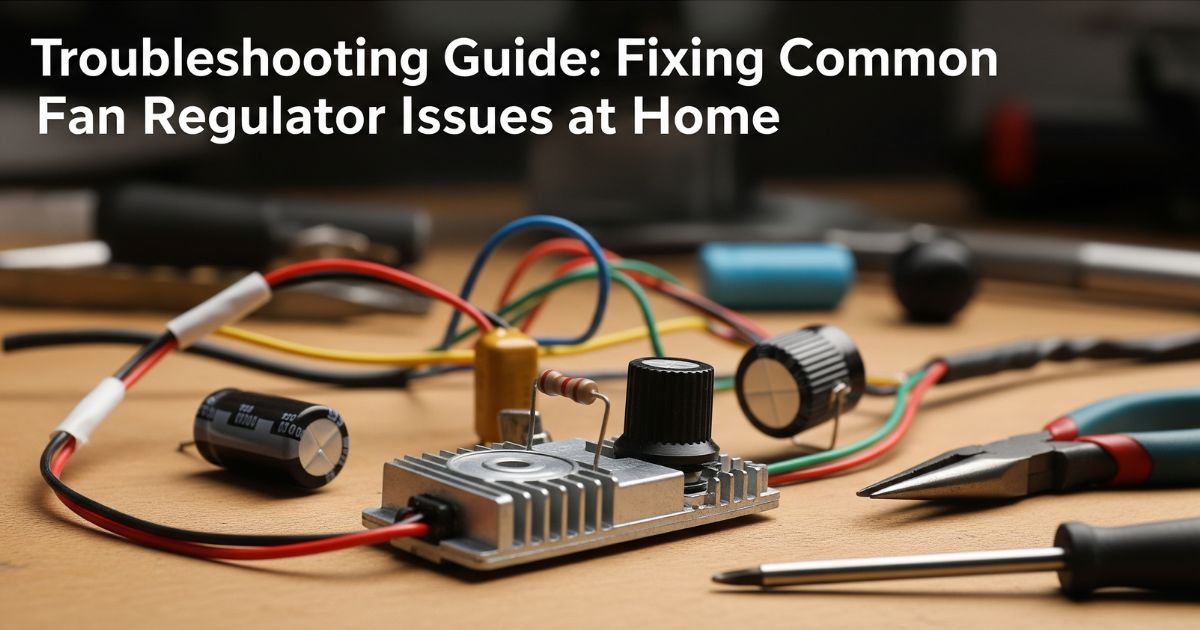
Troubleshooting Guide: Fixing Common Fan Regulator Issues at Hom

Fan regulators are essential components that control the speed and functionality of ceiling fans in our homes and offices. When these devices malfunction, it can disrupt comfort and air circulation. Understanding how to diagnose and fix common fan regulator problems can save time, money, and the inconvenience of calling an electrician for minor issues.

Understanding Fan Regulator Basics

Before diving into troubleshooting, it’s crucial to understand what fan regulators do. These electrical devices control the voltage supplied to ceiling fans, thereby managing their speed. Modern regulators use electronic circuits or resistive elements to provide smooth speed control. The quality of these components directly affects performance and longevity. To learn more about the technical aspects, read our detailed guide on How Ceiling Fan Regulators Work & Why Quality Matters.

Fan regulator manufacturers in India have developed various types of regulators over the years, from basic step-type regulators to sophisticated electronic models. Each type has its own set of potential issues and solutions.

Common Signs of Fan Regulator Problems

Several symptoms indicate that your fan regulator might need attention:

Speed Control Issues When fans run at only one speed regardless of regulator settings, the problem often lies within the regulator mechanism. This issue frequently occurs in older step-type regulators where internal contacts wear out over time.

Intermittent Operation Fans that work sporadically or stop working after running for some time usually indicate loose connections or overheating issues within the regulator circuit.

Unusual Noises Buzzing, crackling, or humming sounds coming from the regulator switch plate often signal internal component failure or loose wiring connections.

No Response Complete failure to control fan speed or turn the fan on/off typically indicates a burned-out regulator that requires replacement.

Step-by-Step Troubleshooting Process

Safety First

Before attempting any repairs, ensure the main power supply is switched off at the circuit breaker. Use a voltage tester to confirm that no electricity flows through the wires. Never attempt repairs on live circuits, as this poses serious electrocution risks.

Visual Inspection

Start by removing the regulator faceplate and examining the internal components. Check for:

  • Burnt or discolored wires
  • Loose connections
  • Damaged terminals
  • Signs of overheating
  • Corrosion on metal parts

Testing Connections

Use a multimeter to test continuity across different regulator settings. A properly functioning regulator should show varying resistance values as you change speed settings. If readings remain constant or show infinite resistance, the regulator needs replacement.

Wire Connection Check

Loose wire connections cause many regulator problems. Ensure all connections are tight and secure. Pay special attention to the neutral wire connection, as loose neutrals can cause erratic fan behavior.

Common Issues and Solutions

Problem 1: Fan Runs at Full Speed Only

Cause: This typically occurs when the regulator’s internal resistive elements or electronic circuits fail, allowing full voltage to reach the fan motor.

Solution: First, verify that the problem isn’t with the fan motor itself by testing with a known good regulator. If the issue persists with the regulator, replacement is usually the most cost-effective solution. When selecting a replacement, consider upgrading to a quality 1 M 7 Modular Fan Regulator for better performance and longevity.

Problem 2: Fan Doesn’t Start

Cause: Complete failure to start can result from:

  • Blown fuse or tripped circuit breaker
  • Faulty regulator
  • Damaged fan motor
  • Loose wiring connections

Solution: Begin by checking the circuit breaker and replacing any blown fuses. Test the regulator by bypassing it temporarily with a direct connection (with power off). If the fan runs normally, replace the regulator. For premium electronic control options, the 1 M 7 Dio Modular Regulator offers advanced features for new installations.

Problem 3: Flickering or Dimming Lights

Cause: When lights connected to the same circuit flicker as the fan speed changes, it indicates voltage fluctuations caused by a faulty regulator drawing irregular current.

Solution: This problem requires immediate attention as it can damage other electrical appliances. Replace the regulator with a high-quality electronic model that provides stable voltage output. The 1 M 7 Diamond Modular Ceiling Fan Regulator features superior voltage regulation for consistent performance.

Problem 4: Regulator Overheating

Cause: Overheating occurs due to:

  • Overloaded circuits
  • Poor ventilation around the regulator
  • Internal component failure
  • Incorrect regulator rating for the fan

Solution: Ensure the regulator rating matches the fan’s power consumption. Provide adequate ventilation around the switch plate. If overheating persists, consult with local Fan Regulator Suppliers in Gujarat for professional-grade solutions.

Problem 5: Sparking at Switch

Cause: Sparking indicates arcing between contacts, usually due to:

  • Worn contact points
  • Loose connections
  • Moisture infiltration
  • Overloaded circuit

Solution: Turn off power immediately and inspect all connections. Clean corroded contacts with fine sandpaper, but if sparking continues, replace the regulator entirely. Never ignore sparking, as it poses fire hazards.

Advanced Troubleshooting Techniques

A high-tech setup featuring a gloved hand soldering a circuit board with a chip, surrounded by tools and a holographic network diagram, representing advanced troubleshooting techniques for fan regulator manufacturers.

Using Multimeter for Diagnosis

A digital multimeter helps diagnose regulator problems accurately:

  1. Voltage Testing: Measure voltage output at different regulator settings. Readings should vary proportionally with speed settings.
  2. Resistance Testing: Check resistance across regulator terminals with power off. Step-type regulators show distinct resistance values at each setting.
  3. Current Draw Testing: Measure current consumption to identify overloaded circuits or faulty components.

Thermal Testing

Use an infrared thermometer to check regulator temperature during operation. Temperatures exceeding 60°C (140°F) indicate problems requiring immediate attention.

Preventive Maintenance Tips

Regular maintenance extends regulator life and prevents common problems:

Monthly Checks

  • Inspect regulator faceplate for cracks or discoloration
  • Ensure smooth operation of speed control knob
  • Listen for unusual sounds during operation

Annual Maintenance

  • Remove faceplate and clean internal components
  • Tighten all wire connections
  • Check for signs of overheating or corrosion
  • Test regulator response at all speed settings

Environmental Considerations

  • Keep regulators away from moisture sources
  • Ensure adequate ventilation around switch plates
  • Use appropriate regulator ratings for your fan specifications

When to Call Professionals

While many regulator problems are DIY-fixable, certain situations require professional expertise:

  • Multiple regulators failing simultaneously
  • Frequent circuit breaker trips
  • Electrical burning smells
  • Visible wire damage
  • Uncertainty about electrical safety

For complex issues or when replacing multiple units, consult established fan regulator manufacturers company in India for professional guidance and quality products.

Choosing Quality Replacement Regulators

When replacement becomes necessary, selecting quality regulators ensures long-term reliability. Consider these factors:

Electronic vs. Resistive Types Electronic regulators offer smoother speed control and better energy efficiency compared to traditional resistive models. They also generate less heat and provide more precise speed control.

Current Rating Match the regulator’s current rating to your fan’s specifications. Undersized regulators fail prematurely, while oversized ones may not provide optimal speed control.

Brand Reputation Choose products from established suppliers with proven track records. For a comprehensive selection of quality regulators, visit our product range which features various models suitable for different applications. Quality manufacturers provide better warranties and customer support.

Installation Requirements Some modern regulators require specific wiring configurations. Ensure compatibility with your existing electrical setup before purchasing.

Regional Considerations for Indian Homes

India’s diverse climate and electrical conditions present unique challenges:

Voltage Fluctuations Many regions experience significant voltage variations. Choose regulators with built-in voltage stabilization features to protect your fans and ensure consistent performance.

Humidity Effects High humidity areas require regulators with better moisture protection. Sealed units or those with protective coatings last longer in coastal regions.

Power Quality Issues Areas with frequent power cuts benefit from regulators with surge protection features. These prevent damage from voltage spikes when power returns.

Cost-Effective Solutions

Balancing cost and quality requires careful consideration:

Initial Investment vs. Long-term Savings While premium regulators cost more initially, they often provide better energy efficiency and longer service life, resulting in lower total ownership costs.

Bulk Replacement Benefits If multiple regulators need replacement, buying from fan regulator manufacturers company in Ahmedabad often provides volume discounts and ensures consistency across installations.

Energy Efficiency Considerations Modern electronic regulators consume less standby power and provide better motor efficiency, resulting in lower electricity bills over time.

Understanding Warranty and Support

Quality regulators come with comprehensive warranties and support:

Warranty Coverage Reputable fan regulator company providers offer warranties covering manufacturing defects and premature failures. Read warranty terms carefully to understand coverage limitations.

Technical Support Choose manufacturers offering technical support for installation and troubleshooting. This proves invaluable when dealing with complex electrical issues.

Spare Parts Availability Established Fan Regulators Manufacturer Ahmedabad companies maintain spare parts inventory, ensuring long-term serviceability of their products.

Future-Proofing Your Installation

Consider technological advances when replacing regulators:

Smart Home Integration Modern regulators offer smartphone control and integration with home automation systems. While costlier initially, these provide convenience and energy monitoring capabilities.

Energy Monitoring Features Some advanced regulators include energy consumption monitoring, helping track electricity usage and identify efficiency opportunities.

Remote Control Compatibility Regulators compatible with remote-controlled fans provide added convenience, especially for high-ceiling installations.

Conclusion

Effective fan regulator troubleshooting requires systematic diagnosis, proper safety procedures, and quality replacement components when necessary. Understanding common problems and their solutions enables homeowners to maintain comfortable indoor environments while minimizing repair costs.

Regular maintenance and quality component selection from reputable Fan Regulator Suppliers significantly reduce the likelihood of future problems. When issues do arise, methodical troubleshooting often reveals simple solutions that restore normal operation quickly.

For complex problems or when multiple regulators require attention, consulting with established fan regulator manufacturers ensures access to quality products and professional expertise. If you need personalized guidance for your specific situation, don’t hesitate to contact us for expert advice. Remember that electrical safety always takes priority over cost considerations, and when in doubt, professional consultation is the wisest course of action.

By following this comprehensive troubleshooting guide and implementing preventive maintenance practices, you can ensure reliable fan regulator performance for years to come. Quality regulators, proper installation, and regular maintenance create a foundation for comfortable, energy-efficient cooling in any environment.

Categories
Blogs Fan Regulator Manufacturing

The Science Behind Fan Regulators: Analog vs Digital Explained

Ceiling fans have become an integral part of Indian households, providing energy-efficient cooling solutions across diverse climatic conditions. Behind every smoothly operating ceiling fan lies a crucial component that controls its speed and performance: the fan regulator. Understanding the technology that powers these devices can help homeowners make informed decisions when selecting the right speed control system for their needs.

Understanding Fan Regulator Technology

Fan regulators serve as the bridge between electrical supply and motor control, managing the voltage delivered to ceiling fan motors. These devices have evolved significantly over the decades, transitioning from basic mechanical switches to sophisticated electronic systems. The fundamental principle remains consistent: controlling the speed of fan motors by adjusting the electrical parameters that reach them.

Modern fan regulator manufacturers have developed two primary categories of speed control systems: analog (traditional) and digital (electronic) variants. Each technology offers distinct advantages and operates through different mechanisms, making them suitable for various applications and user preferences.

The electrical engineering behind fan regulators involves intricate circuitry designed to handle the specific requirements of ceiling fan motors. Unlike other electrical appliances, fans require variable speed control while maintaining smooth operation across different RPM ranges. This complexity has driven innovation among fan regulator manufacturers in India, leading to increasingly sophisticated solutions.

Analog Fan Regulators: The Traditional Approach

Analog fan regulators, also known as resistance-based regulators, have been the backbone of ceiling fan control for decades. These devices utilize a series of resistors or capacitors to reduce the voltage supplied to the fan motor, thereby controlling its speed. The technology relies on stepped voltage reduction, typically offering 4-5 speed settings.

How Analog Regulators Work

The core mechanism of analog regulators involves inserting resistance into the electrical circuit. When a user selects a lower speed setting, additional resistance is introduced, reducing the voltage reaching the motor. This voltage drop translates directly into reduced motor speed. The process is straightforward: higher resistance equals lower voltage, which results in slower fan rotation.

These regulators typically employ either resistive or capacitive methods. Resistive regulators use wire-wound resistors that dissipate excess energy as heat, while capacitive regulators use capacitor banks to control the phase relationship between voltage and current, achieving speed control without significant heat generation.

Advantages of Analog Systems

Analog regulators offer several benefits that have maintained their popularity among consumers. Cost-effectiveness stands as their primary advantage, making them accessible to budget-conscious buyers. The simplicity of their design translates into reliable operation with minimal complexity, reducing the likelihood of electronic failures.

Durability represents another significant advantage. With fewer electronic components, analog regulators often outlast their digital counterparts, especially in harsh electrical environments common in many Indian regions. Their robust construction can withstand voltage fluctuations and power surges better than sensitive electronic circuits.

The universal compatibility of analog regulators makes them suitable for virtually all ceiling fan types. Whether dealing with older fan models or basic motor designs, analog regulators provide consistent performance without compatibility concerns.

Limitations and Drawbacks

Despite their reliability, analog regulators face several limitations in modern applications. Energy efficiency remains their most significant weakness. Resistive types, in particular, waste considerable energy as heat, leading to higher electricity consumption and reduced overall system efficiency.

Heat generation poses both efficiency and safety concerns. The thermal energy produced by resistive regulators can cause discomfort in small spaces and may affect the longevity of surrounding electrical components. This heat also represents wasted energy that could otherwise contribute to fan operation.

Speed control precision in analog systems is limited to fixed steps, typically 4-5 discrete levels. Users cannot achieve intermediate speeds, potentially compromising comfort in specific environmental conditions. The stepped nature of control also means that the difference between adjacent speed settings might be too pronounced for optimal comfort.

Digital Fan Regulators: The Modern Solution

Image of a digital fan regulator by fan regulator manufacturers, displaying speed setting 3 with power and speed control buttons, set against a cozy indoor background. Digital fan regulators represent the evolution of speed control technology, utilizing electronic circuits and microprocessors to achieve precise motor control. These systems employ techniques such as pulse width modulation (PWM) or triac-based switching to manage power delivery to fan motors with unprecedented accuracy.[/caption]

Electronic Control Mechanisms

Digital regulators operate by rapidly switching the electrical supply on and off, controlling the average power delivered to the motor. PWM technology varies the duration of these on-off cycles, allowing for smooth speed transitions and precise control. The switching frequency is typically high enough to prevent audible noise or visible flickering effects.

Triac-based digital regulators use semiconductor switches to control AC power flow. These systems can adjust the firing angle of the triac, effectively controlling the portion of each AC cycle that reaches the motor. This method provides smooth speed control while maintaining high efficiency.

Advanced digital systems incorporate microcontroller technology, enabling features such as soft start, automatic speed adjustment based on ambient conditions, and programmable operation modes. These intelligent systems can optimize performance based on real-time conditions and user preferences.

Superior Performance Characteristics

Digital regulators excel in energy efficiency, often achieving 15-20% better performance compared to their analog counterparts. This improvement stems from their ability to deliver precise power levels without wasteful resistance losses. The electronic switching methods minimize energy dissipation, translating into lower electricity bills for consumers.

Heat generation in digital systems is significantly reduced due to efficient switching mechanisms. Unlike resistive analog regulators that convert excess energy into heat, digital systems waste minimal power, maintaining cooler operation and improving overall system reliability.

The precision of digital speed control allows for stepless adjustment, enabling users to select any speed within the operational range. This fine-grained control enhances comfort by allowing precise adjustment to match specific environmental conditions and personal preferences.

Advanced Features and Capabilities

Modern digital regulators incorporate numerous advanced features that enhance user experience and system performance. Remote control capability allows convenient operation from anywhere in the room, while timer functions enable automated operation schedules.

Some digital systems include reverse rotation control, allowing users to change fan direction for optimal air circulation in different seasons. Sleep mode functionality gradually reduces fan speed throughout the night, maintaining comfort while minimizing energy consumption.

Smart connectivity features in premium digital regulators enable integration with home automation systems. Users can control their fans through smartphone apps, voice commands, or centralized control systems, adding convenience and energy management capabilities.

Comparative Analysis: Making the Right Choice

When evaluating analog versus digital fan regulators, several factors deserve consideration. Initial cost typically favors analog systems, making them attractive for budget-conscious consumers. However, the long-term operating costs and feature benefits of digital systems often justify their higher upfront investment.

Performance and Efficiency Metrics

Energy consumption represents a critical factor in the comparison. Digital regulators consistently demonstrate superior efficiency, particularly at lower speed settings where analog systems waste significant energy through resistance. Over time, these efficiency gains can offset the higher initial cost of digital systems.

Speed control accuracy and smoothness favor digital systems significantly. While analog regulators provide adequate control for basic applications, digital systems offer the precision needed for optimal comfort in varying conditions.

Reliability and longevity present a more complex comparison. Analog systems typically demonstrate excellent durability due to their simple construction, while digital systems may be more susceptible to electrical disturbances. However, quality fan regulator manufacturers in Ahmedabad have developed robust digital systems that match or exceed analog reliability.

Application-Specific Considerations

Residential applications often benefit from digital regulators due to their enhanced comfort features and energy efficiency. The ability to fine-tune speed settings proves particularly valuable in bedrooms and living spaces where precise environmental control matters most.

Commercial and industrial applications may lean toward analog systems where cost-effectiveness and proven reliability outweigh advanced features. In environments with harsh electrical conditions or minimal maintenance capabilities, analog regulators may provide better long-term value.

The 1 M 7 Modular Fan Regulator represents an excellent example of how modern manufacturing combines reliability with advanced features, providing users with optimal performance characteristics suitable for various applications.

Regional Manufacturing Excellence

India has emerged as a global leader in fan regulator manufacturing, with companies across the country developing innovative solutions for both domestic and international markets. Fan regulator manufacturers in India have gained recognition for their ability to balance cost-effectiveness with quality, making Indian products competitive worldwide.

Fan Regulator Suppliers in Gujarat have particularly distinguished themselves through technological innovation and manufacturing excellence. The state’s industrial infrastructure and skilled workforce have enabled the development of world-class production facilities capable of meeting diverse market requirements.

The fan regulator company in Ahmedabad ecosystem represents a concentration of expertise and innovation. Companies in this region have successfully developed products that cater to both traditional preferences for reliable analog systems and growing demand for advanced digital solutions.

Local manufacturing advantages include deep understanding of Indian electrical conditions, cost-effective production methods, and responsive customer service. Fan regulator socket manufacturers in Ahmedabad have developed specialized products that address the unique requirements of Indian electrical installations.

Quality Standards and Selection Criteria

Selecting the right fan regulator requires consideration of multiple factors beyond the analog versus digital debate. Build quality, electrical ratings, and manufacturer reputation all play crucial roles in long-term satisfaction and performance.

Electrical specifications must match the intended application. Voltage ratings, current capacity, and power handling capabilities should align with the specific fan models and electrical conditions where the regulator will operate. Understanding these specifications helps ensure safe and efficient operation.

Safety certifications and compliance with Indian electrical standards provide assurance of quality and reliability. Reputable fan regulator manufacturers company in India ensure their products meet or exceed relevant safety and performance standards.

The 1 M 7 Dio Modular Regulator exemplifies how modern manufacturing incorporates safety features and quality construction to deliver reliable performance across various applications.

Installation and Maintenance Considerations

Proper installation significantly impacts the performance and longevity of both analog and digital regulators. While basic installation procedures remain similar, digital systems may require additional considerations for optimal performance.

Electrical compatibility verification ensures smooth operation and prevents damage to both the regulator and connected fans. Professional installation often proves worthwhile, particularly for digital systems with advanced features or complex wiring requirements.

Maintenance requirements differ between analog and digital systems. Analog regulators typically require minimal maintenance, while digital systems may benefit from periodic cleaning and inspection of electronic components.

Environmental factors such as humidity, temperature, and electrical quality can affect regulator performance. Understanding these factors helps in selecting appropriate systems and implementing protective measures when necessary.

Future Trends and Innovations

The fan regulator industry continues to evolve, with emerging technologies promising even greater efficiency and functionality. Smart home integration, IoT connectivity, and artificial intelligence are driving the next generation of fan control systems.

Energy efficiency improvements remain a primary focus, with manufacturers developing systems that minimize power consumption while maximizing comfort and performance. Advanced motor control algorithms and adaptive control systems represent areas of active development.

The 1 M 7 Diamond Modular Ceiling Fan Regulator showcases how premium products incorporate cutting-edge technology while maintaining the reliability and ease of use that consumers expect.

Making an Informed Decision

Choosing between analog and digital fan regulators ultimately depends on individual needs, preferences, and budget considerations. Both technologies offer viable solutions for different applications and user requirements.

For those prioritizing cost-effectiveness and proven reliability, analog regulators continue to provide excellent value. Their simplicity and durability make them suitable for basic applications where advanced features are not required.

Digital regulators appeal to users seeking energy efficiency, precise control, and advanced features. The higher initial investment often pays dividends through reduced energy consumption and enhanced comfort.

Understanding How Ceiling Fan Regulators Work & Why Quality Matters provides additional insights into selecting and maintaining these crucial components.

Quality should remain the primary consideration regardless of technology choice. Established fan regulator manufacturers with proven track records offer the best assurance of long-term satisfaction and performance.

For those seeking professional guidance in selecting the right regulator for their specific needs, consulting with experienced fan regulator manufacturers can provide valuable insights and recommendations.

The extensive range of products available through specialized shop platforms enables consumers to compare options and select systems that best match their requirements and preferences.

Conclusion

Both analog and digital fan regulators serve important roles in the modern electrical landscape. Understanding the science behind these technologies enables informed decision-making that balances performance, efficiency, cost, and reliability considerations.

The choice between analog and digital systems should reflect individual priorities and application requirements. While digital technology offers compelling advantages in efficiency and features, analog systems maintain relevance through their cost-effectiveness and proven durability.

As the industry continues to innovate, consumers can expect even better solutions that combine the best aspects of both technologies. Whether choosing analog simplicity or digital sophistication, selecting quality products from reputable manufacturers ensures optimal performance and long-term satisfaction.

For personalized assistance in selecting the ideal fan regulator for your specific needs, professional consultation is available through established contact us channels, ensuring you make the best choice for your particular application and requirements.


Categories
Blogs Fan Regulator Manufacturing

Elevating Your Comfort: Why Quality Fan Regulators Are Essential in Every Modern Space

In our quest for comfortable living, humanity has continually innovated, transforming our environments to suit our preferences. From the earliest shelters to today’s sophisticated homes, the evolution of living spaces reflects our desire for convenience and control. Among the many innovations that enhance daily life, the humble yet powerful fan regulator stands out as a fundamental component for achieving personalized comfort and energy efficiency.

No longer just a simple on-off switch for your ceiling fan, modern fan regulators offer nuanced control over air circulation, allowing you to fine-tune your environment with precision. They are an indispensable part of contemporary electrical systems, ensuring optimal air movement and contributing significantly to both comfort and energy savings.

At the heart of this essential home amenity are dedicated fan regulator manufacturers. These specialized entities are responsible for engineering and producing the sophisticated devices that enable us to control our indoor climate. Their commitment to innovation and quality ensures that every home and commercial establishment can benefit from tailored air flow. One such pioneer in the field is Sai Electronics India. For decades, Sai Electronics India has been at the forefront, setting benchmarks in the manufacturing of high-quality fan regulators that meet the diverse needs of modern households and businesses alike. Our unwavering dedication to superior craftsmanship and advanced technology positions us as a trusted name in the industry.

The journey of a fan regulator from a conceptual design to a functional device in your home involves meticulous engineering and a deep understanding of electrical principles. Reputable fan regulator manufacturers in India like us, focus on producing components that are not only effective but also durable and safe. We understand that a reliable fan regulator is crucial for consistent performance and peace of mind.

The Undeniable Advantages of Advanced Fan Control

Just as we appreciate the ability to adjust lighting to suit our mood, the capacity to modify fan speed offers a similar level of personalized comfort. Modern fan speed controllers or ventilation control units, as they are sometimes called, are designed to seamlessly integrate into your living space, providing an array of benefits that go beyond simple speed adjustment.

Let’s delve into the core reasons why investing in high-quality fan regulators from reputable fan regulator companies is a wise decision for any homeowner or builder:

1. Precise Climate Command:

The most immediate benefit of a fan regulator is its ability to offer granular control over your fan’s rotational pace. Whether you desire a gentle breeze for a quiet evening or a powerful gust to combat a warm afternoon, a quality fan regulator empowers you to set the air movement precisely to your preference. This adaptability ensures comfort regardless of the external temperature or your personal cooling needs. Without this control, you are often limited to a single, unyielding fan speed, which can be either too much or too little for the given conditions. A properly functioning fan control device allows for the ultimate customization of your indoor atmosphere.

2. Significant Energy Optimization:

One of the most compelling reasons to utilize a fan regulator is its contribution to energy efficiency. Running a fan at its maximum speed constantly, even when less airflow is needed, consumes more electricity than necessary. By lowering the fan’s speed, you directly reduce its power consumption. This translates into noticeable savings on your electricity bills, particularly in regions where fans are in use for extended periods. As dedicated fan regulator manufacturers, we engineer our products to optimize energy usage without compromising performance. This eco-conscious approach not only benefits your wallet but also contributes to a more sustainable living environment. Imagine the cumulative savings across countless homes in a city like Ahmedabad when efficient fan regulator suppliers provide advanced solutions.

3. Enhanced Appliance Lifespan:

Operating any electrical appliance at its peak capacity continuously can lead to increased wear and tear. Fans are no exception. By allowing your fan to operate at varying speeds, and especially at lower settings when full power isn’t required, you reduce the strain on its motor and other internal components. This gentler operation extends the overall lifespan of your ceiling fan, reducing the frequency of repairs or replacements. It’s a subtle yet significant advantage that a quality fan regulator provides, protecting your investment in your home appliances.

4. Optimized Comfort Across Seasons:

While fans are primarily associated with cooling during warmer months, their utility extends beyond just summer. In cooler seasons, a fan operating at a low speed can help circulate warm air that rises, distributing it more evenly throughout the room. This can complement heating systems, making your home feel cozier and potentially reducing heating costs. A versatile air circulation regulator allows you to adapt your home’s airflow to every season, ensuring comfort year-round.

5. Seamless Aesthetic Integration and Space Efficiency:

Modern home aesthetics prioritize sleek designs and efficient use of space. Our range of fan regulators is crafted to occupy minimal space on your switchboard, offering a compact and unobtrusive presence. Available in various colors and designs, they are designed to blend harmoniously with contemporary home décor, adding to the visual appeal rather than detracting from it. Explore our compact 1 M 7 Modular Fan Regulator, crafted to fit seamlessly into modern interiors. As leading fan regulator manufacturers in Ahmedabad, we understand the local preference for designs that are both functional and visually appealing.

The Sai Electronics India Difference: A Commitment to Quality

When it comes to selecting the right fan regulator manufacturer, discerning customers prioritize reliability, durability, and performance. Sai Electronics India embodies these qualities, standing tall as one of the premier fan regulator manufacturers company in India. Our manufacturing processes adhere to stringent quality control measures, ensuring that every unit leaving our facility meets the highest standards of safety and efficiency.

Our position as a prominent fan regulator company in Ahmedabad is built on a foundation of trust and a deep understanding of customer needs. We leverage cutting-edge technology and employ a skilled workforce to produce fan regulators that are not only technologically advanced but also robust enough to withstand the rigors of daily use. Our products are a testament to our commitment to engineering excellence.

Why Choose Sai Electronics India for Your Fan Regulator Needs?

  • Unrivalled Quality: We are dedicated to producing fan regulators that are built to last, providing consistent performance for years.
  • Diverse Range: From standard models to advanced modular designs, our product line caters to a wide spectrum of requirements. Check out our versatile 1 M 7 Dio Modular Regulator designed for efficiency and elegance. We offer solutions for every type of installation, whether residential or commercial.
  • Energy Efficiency Focus: Our designs prioritize power saving, helping you reduce your carbon footprint and electricity bills.
  • Local Expertise, National Reach: As significant fan regulator suppliers in Ahmedabad and across Gujarat, we understand the local market dynamics while serving a broader national clientele. We are a prominent fan regulator manufacturers company India can rely on.
  • Customer-Centric Approach: Your satisfaction is our priority. We are always ready to assist you in choosing the right product for your specific needs.

Understanding how these vital components work can further empower your choices. For a deeper dive into the mechanics and importance of quality in these devices, you might find our detailed article, How to Choose the Right Fan Regulator, quite informative. It provides insights into the technical aspects that contribute to a superior product.

Global Standards, Local Manufacturing: Fan Regulator Excellence from Ahmedabad

Ahmedabad, a vibrant industrial hub, is home to numerous manufacturing enterprises, and Sai Electronics India proudly stands among the leading fan regulator manufacturers in Ahmedabad. Our local presence allows us to intimately understand the specific demands and preferences of the regional market, translating into products that are perfectly suited for homes and businesses here. We are not just a company; we are an integral part of the local manufacturing ecosystem, contributing to its growth and reputation.

Our reach, however, extends far beyond Gujarat. We are recognized as key fan regulator suppliers in Gujarat and nationwide, A favorite among homeowners? The 1 M 7 Diamond Modular Ceiling Fan Regulator stylish, durable, and engineered for peak performance. consistently delivering high-quality products to various parts of the country. This expansive reach is a testament to our production capacity, efficient logistics, and, most importantly, the trust that our customers place in our brand.

Whether you’re looking for a reliable fan regulator company in Ahmedabad for your residential project or seeking a large-scale fan regulator manufacturers company in India for a commercial venture, Sai Electronics India offers comprehensive solutions. Our commitment to innovation means we are constantly refining our products, ensuring they incorporate the latest technologies for enhanced performance and user convenience.

Final Thoughts on Optimizing Your Indoor Environment

In an era where personalized comfort and energy efficiency are paramount, the role of a high-quality fan regulator cannot be overstated. It’s a small device with a significant impact, transforming how we interact with our indoor climate. Choosing products from reputable fan regulator manufacturers ensures that you are investing in durability, performance, and ultimately, a more comfortable and cost-effective living space.

From the quiet hum of a perfectly adjusted fan to the satisfying click of a well-engineered switch, every detail contributes to the overall ambiance of your home. By opting for advanced fan regulators manufacturer Ahmedabad, you are making a choice for superior quality and sustainable living.

Ready to enhance your home or project with top-tier fan regulators? Delve into our comprehensive selection of quality products by visiting our online shop: Sai Electronics India Shop.

For any queries, specific requirements, or to discuss bulk orders, please do not hesitate to reach out to our team. We are here to provide expert guidance and support. Connect with us today!

Categories
Blogs Fan Regulator Manufacturing

A Buyer’s Guide to Selecting the Perfect Fan Regulator for Your Home or Business

When you’re trying to beat the heat or manage airflow efficiently, the fan regulator may not be the first thing you think about, but it should be. This compact device quietly controls your fan’s speed, power usage, and even noise levels. Whether you’re upgrading home interiors or managing climate control across a commercial space, the right fan regulator can seriously level up your comfort and energy efficiency.

In this guide, we’ll break down what to look for when choosing a fan regulator, the types available, and why partnering with a reliable fan regulator manufacturer (especially in India) can make all the difference.

Why Fan Regulators Aren’t Just “Extra”

A lot of people assume any fan regulator will do the job until they start hearing buzzing, experience speed drops, or see energy bills creeping up. The truth is, regulators are essential. They’re responsible for maintaining consistent airflow, reducing power waste, and extending the lifespan of your fan.

Here’s what a high-quality fan regulator brings to the table:

  • Smooth speed control without jerks or surges
  • Lower energy consumption, helping you save on bills
  • Silent operation (no annoying hum or buzz)
  • Long-term durability, thanks to premium internal components

Whether you’re shopping for a home upgrade or sourcing parts for a new project, investing in the right fan regulator company is a smart, cost-effective move.

Know Your Fan Regulator Types

Before you go hunting for deals, it’s important to understand the types of fan regulators out there. Each one offers different benefits and power efficiency levels.

1. Resistive Regulators

Old-school and budget-friendly but not very efficient. These use resistors to cut voltage, which also means they waste energy as heat. Expect higher power bills and a warm plate if you choose this one.

2. Electronic Step-Type Regulators

A big upgrade. These regulate speed in fixed steps and consume far less energy. They’re more precise and cooler to the touch compared to resistive types.

3. Capacitive Regulators

One of the best options for most users. These offer smooth transitions between speeds, low power draw, and silent performance. Great for both residential and commercial spaces.

4. Smart/Digital Fan Regulators

Welcome to the future of app control, digital touch, and even voice compatibility. Perfect for smart homes, modern offices, or people who want maximum control at their fingertips.

Must-Have Features in a Fan Regulator

When choosing from a list of fan regulator manufacturers in India, it’s not just about price. Look at the features that actually matter for day-to-day use and long-term reliability.

Energy Efficiency

Aim for regulators that conserve power. Capacitive and digital ones are your best bets. Energy savings add up, especially if you have multiple fans running all day.

Build Quality

Look for regulators built with high-grade casing, robust knobs, and internal wiring that won’t burn out under load.

Speed Customization

Basic models give you 3-5 speed levels. High-end ones offer micro-adjustments for total control over airflow.

Noise Control

A top priority. Nobody wants buzzing fans during sleep or client meetings. Choose models that ensure whisper-quiet operation.

Design & Finish

If you’re buying for a modern space, aesthetics count. Clean lines, color options, and a compact design help it blend with your decor.

Compatibility

Check voltage, current, and fan model compatibility before buying. Not all regulators suit all motors, especially for imported or older fans.

Best Fan Regulators to Consider (Real Products, Real Performance)

When quality matters, these models are worth considering from trusted fan regulator suppliers:

Each of these combines strong design, precise speed control, and durability backed by a reliable fan regulator manufacturers company in India.

Want to understand how these work? Check this in-depth guide on how ceiling fan regulators impact performance.

Use Case: Home vs Business

Let’s break down what matters depending on your environment:

For Homes

  • Silent Operation is non-negotiable in bedrooms or nurseries
  • Smart Features like remote/app control enhance comfort
  • Design Aesthetics are important for modern interiors

For Businesses or Industrial Use

  • Energy Efficiency is critical, especially when managing dozens of fans
  • Bulk Purchase Options and warranties matter more
  • Durability ensures fewer replacements and better uptime

Whether you’re outfitting a new home or revamping a workspace, you’ll want a brand that understands both ends of the market like Sai Electronics India, a leader in the fan regulator space with a reputation for reliability.

Installation Tips for Maximum Safety

Installing a fan regulator isn’t a DIY moment unless you’re a licensed pro. Here’s what to watch out for:

  • Use a Certified Electrician: Don’t risk electric shock or short circuits.
  • Double-Check Compatibility: Match the wiring layout and voltage requirements.
  • Use Branded Switchboards: Avoid mixing top-tier regulators with low-grade switchboards.
  • Follow Shutdown Protocols: Always cut off the main power during installation.

Maintenance Tips for Longer Life

Want your regulator to last 5–10 years or more? Follow these simple maintenance habits:

  • Clean Regularly (dust-free cloth, no liquids)
  • Avoid Overloads (don’t run multiple fans on one regulator)
  • Do Routine Checks (heat, noise, knob function)
  • Upgrade When Outdated (newer models are more energy-efficient)

When It’s Time to Replace Your Regulator

Some signs are obvious. Others sneak up over time. Here’s when it’s time to swap that regulator out:

  • Fan skips speeds or doesn’t change at all
  • Plate gets unusually hot
  • Persistent buzzing or humming
  • Fan spins inconsistently
  • Knob feels loose or stuck

If you notice any of these, don’t wait. A worn-out regulator can strain your fan or even be a fire hazard.

What Makes a Manufacturer Worth Trusting?

Not all fan regulator companies in Ahmedabad are created equal. Choose a manufacturer that offers:

  • Tested & Certified Products
  • Warranty Coverage & Support
  • Custom Branding & Bulk Orders
  • Fast Turnaround & Service

Looking for a trusted fan regulator manufacturer in Ahmedabad with national reach?
Sai Electronics India has you covered — with a reputation built on decades of precision, innovation, and consistent delivery across Gujarat and beyond.

Avoid These Buyer Mistakes

A few quick don’ts to keep in mind:

  • Don’t chase the lowest price – what’s cheap today might cost you more in replacements tomorrow.
  • Don’t ignore compatibility – always check your fan’s specs and motor type before buying.
  • Don’t skip the reviews – real feedback gives you honest insight into performance and reliability.
  • Don’t overlook design – regulators are visible. Choose one that complements your space.
  • Don’t forget the warranty – it’s your safety net if anything goes wrong.

FAQs: Choosing the Right Fan Regulator

Q1: What type of regulator is best for energy savings?
Answer: Capacitive and digital regulators are most efficient.

Q2: Can I control multiple fans with one regulator?
Answer: Usually not. Always check the load specs.

Q3: Are smart regulators worth it?
Answer: Yes, if you value convenience and future-proof tech.

Q4: Is it okay to install it myself?
Answer: Not recommended unless you’re a licensed electrician.

Q5: Where can I find a variety of high-quality regulators?
Answer: Browse top-rated models on the Sai Electronics India Shop Page

Final Thoughts: Don’t Sleep on Fan Regulators

It’s easy to overlook the importance of a good fan regulator until the buzz, heat, or power bill hits. Whether you’re building a dream home or upgrading your office, this one device makes a big impact on your comfort, costs, and fan performance.

From classic options to smart-enabled models, the market is growing. But the right choice depends on more than features it’s about who you’re buying from.

Partner with a manufacturer who stands for quality, durability, and service.
Visit the Sai Electronics India blog for more insights, buying guides, and product updates.

Ready to Upgrade?

Get in touch with our team to discuss your needs  from single-unit purchases to bulk B2B orders.
We’re here to help you choose the best-fit fan regulator for any application.

Contact us today and get started with expert advice and unbeatable quality.

Categories
Blogs Fan Regulator Manufacturing

Why Choosing the Right Fan Regulator Manufacturer Powers Your Comfort and Savings

In the dynamic landscape of modern electrical systems, even seemingly minor components wield considerable influence over overall efficiency and cost. Among these, the unassuming fan regulator stands as a pivotal element, quietly orchestrating comfort and fostering energy conservation. Often undervalued, this essential device has undergone a remarkable transformation, evolving from bulky, inefficient resistive units to sophisticated electronic counterparts that deliver precise control, superior efficiency, and extended durability. This in-depth article delves into the critical significance of fan regulator performance, its profound impact on energy expenditure and user well-being, and how making an informed choice from a reputable fan regulator manufacturer like Sai Electronics India can truly redefine your experience.

Understanding the Core Function of a Fan Regulator

At its heart, a fan regulator is an ingenious device meticulously engineered to govern the rotational velocity of a ceiling fan by precisely modulating the voltage or current supplied to its motor. This adjustment empowers users to tailor airflow to their exact comfort preferences, a crucial capability, especially as seasonal conditions fluctuate. Historically, fan regulators were rudimentary resistive models, notorious for their inherent energy wastage through heat dissipation. Today, however, spurred by significant strides in electrical engineering, advanced electronic regulators have ascended to prominence, setting new benchmarks for efficiency and precise control.

Why Fan Regulator Performance is an Absolute Necessity

While the performance of a fan regulator might initially appear to be a secondary consideration, the implications of subpar units are far-reaching and detrimental. Poorly performing regulators can precipitate a cascade of issues, including substantial energy loss, diminished fan motor longevity, disruptive noisy operation, erratic speed control, and, most critically, the potential for overheating and associated safety hazards. These cumulative problems not only lead to ongoing discomfort but also inflate electricity expenses over time. Let’s examine in detail why prioritizing performance is not just beneficial but essential.

1. Direct Influence on Energy Efficiency

One of the most compelling arguments for focusing on fan regulator performance is its undeniable correlation with energy consumption.

The Evolution of Technology: Old vs. New

  • Resistive Fan Regulators: These traditional devices govern fan speed by introducing resistance into the circuit, unfortunately squandering a significant amount of energy as heat.
  • Electronic Fan Regulators: In stark contrast, these advanced units leverage semiconductor-based circuits, such as TRIACs, to precisely control voltage, leading to a dramatic reduction in energy wastage.

Consider this impactful comparison: A conventional resistive regulator might consume anywhere from 10 to 15 watts, whereas a highly efficient electronic regulator typically consumes a mere 1 to 3 watts at identical settings. Over multiple fans and years of continuous operation, this seemingly small difference translates into monumental energy and cost savings.

A Practical Scenario: Significant Savings

Imagine a typical home with five ceiling fans, each operating for an average of eight hours daily:

  • Utilizing resistive regulators could result in a daily energy waste of up to 200 watts.
  • Conversely, employing high-efficiency regulators could slash total consumption to a mere 15 watts.

This dramatic reduction directly contributes to a significantly lower electricity bill, fostering a more energy-conscious and sustainable lifestyle. This emphasis on energy savings is a key reason why many are seeking out proficient

fan regulator manufacturers in India who prioritize sustainable design.

2. Elevating User Comfort and Experience

Comfort extends far beyond mere airflow. A well-designed, high-performing fan speed controller profoundly enhances the user experience in multifaceted ways.

Seamless Speed Adjustment

Inferior quality regulators often deliver inconsistent or choppy speed control, resulting in abrupt and unpleasant fluctuations in fan velocity. In contrast, a trusted and reliable fan speed controller ensures:

  • Effortless transitions between various speed settings.
  • Complete elimination of irritating humming or buzzing sounds.
  • Consistent fan rotation, even at the lowest speed levels, for uninterrupted tranquility.

Effective Noise Mitigation

High-quality electronic regulators play a crucial role in mitigating the mechanical noise inherently produced by fan motors. The outcome is remarkably quieter operation, making them an optimal selection for environments demanding serenity, such as bedrooms, libraries, professional offices, and educational classrooms.

3. Extending the Lifespan of Your Appliances

Another frequently overlooked advantage of high-performance fan regulators is the vital protection they afford to the fan motor itself.

Safeguarding Against Overvoltage and Heat

Inconsistent voltage regulation and the use of low-grade components can lead to excessive heat accumulation within both the regulator and the fan. Over time, this cumulative stress can precipitate premature motor wear and ultimate failure. High-performance fan regulators meticulously engineered by leading

fan regulator manufacturers provide:

  • Dependable and stable voltage levels.
  • Prevention of motor overheating, preserving internal components.
  • A significant extension of your ceiling fan’s operational life.

This translates directly into reduced maintenance expenditures and a substantial enhancement in the overall reliability of your entire electrical system.

4. Uncompromised Safety Assurance

Electrical safety is a paramount concern in both domestic and industrial environments. A meticulously designed and manufactured fan regulator integrates crucial safety features, including:

  • Flame-retardant casing materials, minimizing fire risks.
  • Robust overcurrent and surge protection to shield against electrical anomalies.
  • Integrated thermal cutoff mechanisms for preventing dangerous overheating.

Lesser models often disregard these essential safety protocols. However, reputable

fan regulator companies and manufacturers like Sai Electronics India incorporate these as standard, ensuring the utmost safety for users and properties alike.

5. Modern Aesthetics and Seamless Modular Integration

Today’s homes and commercial spaces demand more than just sheer functionality; they require aesthetic harmony with contemporary interior designs. High-quality regulators are purposefully crafted to seamlessly complement modular switchboards, presenting a refined and sophisticated appearance. Many of these advanced regulators also boast:

  • Sleek, contemporary finishes.
  • A diverse palette of color options to match any decor.
  • Smooth, tactile rotary or intuitive touch-based operation.
  • Discreet and functional LED indicators.

This amalgamation of performance and style makes them the preferred choice for discerning architects, visionary interior designers, and homeowners who seek both cutting-edge functionality and sophisticated visual appeal.

Identifying the Ideal Fan Regulator Manufacturer

When considering where to procure these essential devices, identifying a reliable fan regulator manufacturer is paramount. One exemplary entity in this specialized field is Sai Electronics India, a name synonymous with trustworthiness and innovation in the realm of fan regulator production. The company has earned its sterling reputation for consistently delivering high-quality, profoundly energy-efficient, and aesthetically refined fan regulators that not only meet but exceed modern expectations and stringent safety standards. To learn more about our commitment to excellence, you can visit our homepage at Sai Electronics India.

Some of their highly sought-after products that cater to diverse requirements include:


These meticulously designed options address a spectrum of customer preferences, whether the priority is sleek design, enhanced safety features, or unwavering performance reliability.

A Deep Dive into Fan Regulator Types and Their Performance

To gain a more profound understanding of performance distinctions, let’s categorize the types of fan regulators commonly encountered in the market:

1. Resistive (Step) Regulators

  • Underlying Technology: Primarily employs wire-wound resistors to control speed.
  • Performance Characteristics: Basic functionality, but generates considerable heat and incurs significant power wastage.
  • Energy Efficiency: Inherently low.
  • Typical Lifespan: Moderate.

2. Electronic Regulators

  • Underlying Technology: Leverages advanced components such as TRIACs, DIACs, and capacitors for precise control.
  • Performance Characteristics: Delivers exceptionally smooth and remarkably energy-efficient operation.
  • Energy Efficiency: High.
  • Typical Lifespan: Long.

3. Smart Regulators

  • Underlying Technology: Incorporates digital controllers, often enabling remote or application-based operation.
  • Performance Characteristics: Highly customizable, offering unparalleled convenience and intuitive control.
  • Energy Efficiency: Very High, representing the pinnacle of power conservation.
  • Typical Lifespan: Long, especially when sourced from a trusted brand.

When performance, efficiency, and modern control are your foremost priorities, electronic or smart regulators emerge as the unequivocally superior choices. Many discerning customers in Ahmedabad and Gujarat specifically search for

fan regulator suppliers in Ahmedabad or a reliable fan regulator company in Ahmedabad to procure these advanced models.

Maintenance Recommendations for Sustained Efficiency

Acquiring a high-quality regulator is merely the initial step. Consistent and proper care ensures it continues to operate at its peak performance for years to come.

1. Regular Dust Removal

Accumulation of dust can impair the functionality of both the control knob and the internal printed circuit board (PCB). A periodic gentle wipe with a dry cloth is highly recommended.

2. Avoiding Overloading

It is crucial to ensure that the fan regulator is exclusively utilized with ceiling fans and never with higher wattage appliances, as it is specifically designed for this purpose.

3. Timely Replacement

Even the most robust regulators have a finite operational lifecycle. If you observe erratic fan speed fluctuations without adjustment, or if unusual noises emanate from the unit, it is likely an indicator that a replacement is due.

Versatile Applications Across Diverse Segments

Fan regulators are not confined to residential settings; their performance holds significant importance across a multitude of industries and applications. Leading

fan regulator manufacturers in Ahmedabad and across India cater to these varied needs.

Residential Buildings

  • Significant energy savings across multiple household units.
  • Enhanced comfort during warmer seasons.
  • Seamless integration with contemporary modular switchboards.

Commercial Spaces

  • Promotes quiet and conducive working environments in offices and meeting rooms.
  • Ensures a long and reliable operational lifespan, minimizing downtime.
  • Provides consistent airflow, crucial for sustained employee comfort and productivity. Many businesses seek a reliable
    fan regulator company for their commercial projects.

Educational Institutions

  • Fosters noise-free classrooms, enhancing concentration and learning.
  • Features child-safe designs for peace of mind in learning environments.
  • Contributes to significantly lower utility costs for the institution.

Healthcare Facilities

  • Ensures silent, efficient cooling in patient wards and critical areas.
  • Offers precision speed control for sensitive medical environments.
  • Utilizes safety-certified components, paramount in healthcare settings.

By meticulously selecting high-quality fan regulators, every sector reaps the profound benefits of enhanced reliability, uncompromised safety, and substantial cost efficiency. For those specifically looking to

buy fan regulators in Ahmedabad, a reputable supplier can guide these choices.

The Positive Environmental Footprint

High-performing regulators make a tangible contribution to broader sustainability objectives. The significant reduction in energy consumption directly leads to:

  • Lower carbon emissions, supporting environmental conservation efforts.
  • Reduced strain on already burdened power grids, promoting stability.
  • Smaller utility bills for both households and businesses, fostering economic benefits.

This makes contemporary fan regulators an indispensable component in the global impetus towards cultivating energy-conscious infrastructure development. Companies like Sai Electronics India are at the forefront as dedicated

fan regulator manufacturers company in India contributing to this greener future.

Your Checklist for a High-Performance Regulator

When embarking on the purchase of a fan regulator, utilizing the following comprehensive checklist will guide you towards an optimal selection:

  • Certification: Is it certified for both safety and energy efficiency by recognized authorities?
  • Materials: Is it constructed from high-grade, flame-retardant materials, ensuring maximum safety?
  • Compatibility: Is it compatible with a wide array of fan models, offering versatility?
  • Control Stability: Does it guarantee stable voltage control for smooth and consistent operation?
  • Brand Reputation: Does it originate from a well-regarded and trusted brand in the industry?
  • Warranty: Is it accompanied by a comprehensive warranty, offering peace of mind?

If a product proficiently satisfies all the aforementioned criteria, it is highly probable to deliver exceptional and enduring results. For those in the region, searching for a “fan regulator manufacturer Ahmedabad” will lead you to reliable local options.

The Unwavering Sai Electronics India Advantage

Sai Electronics India leverages decades of unparalleled expertise in the precise manufacturing of top-tier fan regulators. What truly distinguishes us from the competition?

  • Cutting-Edge Facilities: Our state-of-the-art manufacturing facilities employ the latest technological advancements.
  • Rigorous Quality Control: We implement stringent quality control measures at every single stage of the production process, ensuring flawless products.
  • Extensive Product Range: We offer a broad and diverse selection of options tailored for both residential and commercial applications.
  • Customizable Designs: Our designs are adaptable to seamlessly match modern aesthetic preferences and interior themes.
  • Proven Reliability: We boast a consistently proven track record of delivering unwavering reliability and uncompromised safety.

Whether you are a seasoned contractor overseeing large projects, a key distributor managing supply chains, or an individual homeowner seeking the best for your dwelling, opting for products from Sai Electronics India guarantee both superior performance and unparalleled peace of mind. Our reputation as a leading

fan regulator manufacturer extends throughout Gujarat and beyond. If you need to discuss your specific requirements, feel free to reach out to us. For any inquiries or to discuss your specific requirements, please don’t hesitate to contact us.

Conclusion: Making the Informed Choice for Lasting Comfort and Savings

The performance of a fan regulator directly and profoundly impacts your energy consumption, overall user comfort, and the overarching operational safety of your electrical system. In a market often saturated with budget-friendly yet underperforming products, the intrinsic value of a high-quality regulator becomes undeniably clear.

By truly comprehending the critical and often understated role of this diminutive yet remarkably powerful device, consumers are empowered to make astute and informed decisions that will yield substantial long-term benefits. Whether your responsibility lies in managing a cozy home, a bustling commercial establishment, or a sprawling large-scale infrastructure project, the judicious investment in a high-performance fan regulator represents a definitive stride toward fostering a more sustainable, energy-efficient, and ultimately comfortable living or working environment. And when it comes to the pillars of reliability, groundbreaking innovation, and unwavering quality assurance, Sai Electronics India steadfastly remains a trusted and invaluable partner, dedicated to powering performance and enhancing comfort across the entirety of India. To delve deeper into our insights and product updates, you can always visit our Shop.

Chat With Us