Categories
Blogs Fan Regulator Manufacturing USB Socket Manufacturers

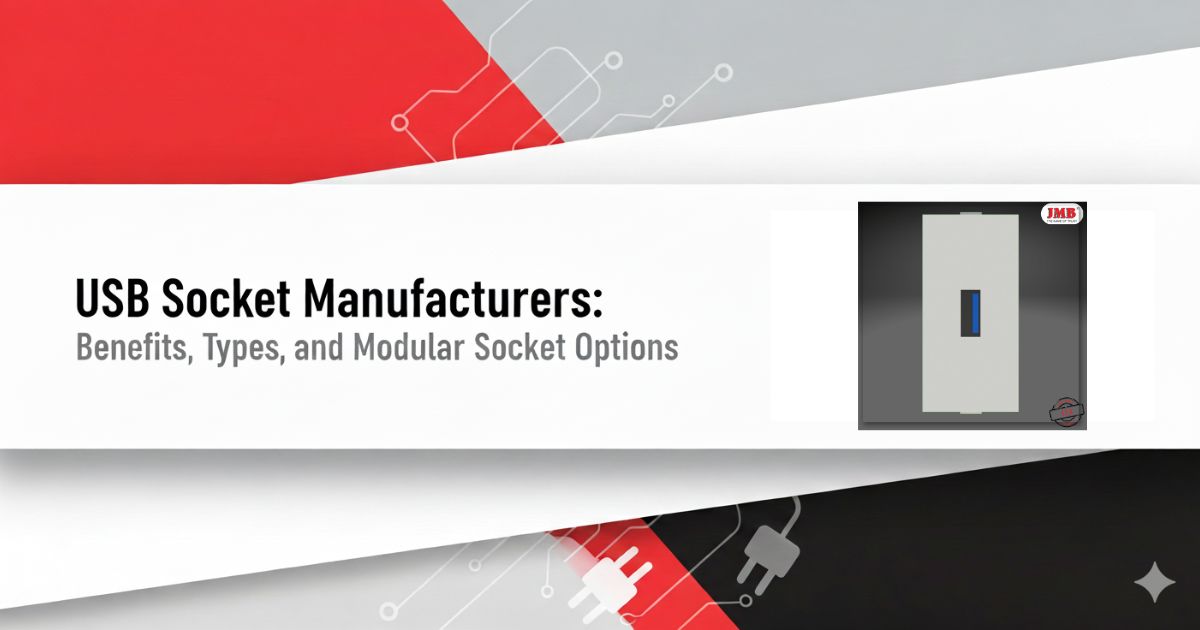
USB Socket Manufacturers: Benefits, Types, and Modular Socket Options

The way we charge devices has changed dramatically. Smartphones, tablets, smartwatches, and wireless earbuds have become essential in daily life, creating unprecedented demand for convenient charging solutions in homes, offices, hotels, and commercial spaces. Traditional charging adapters with bulky wall plugs are being replaced by integrated USB charging solutions that offer cleaner, more efficient approaches.

This shift has created significant opportunities for USB socket manufacturers who are developing innovative products that blend seamlessly into modern electrical infrastructure. From residential homes to large-scale commercial projects, USB-integrated switchboards are becoming the new standard. In this guide, you’ll learn about the benefits of USB sockets, the various types available, and why modular options are gaining popularity.

What Is a USB Socket and How Does It Work?

A USB socket is an electrical outlet that includes one or more USB ports alongside standard power points. Unlike traditional sockets that only provide AC power, these units feature built-in converters that transform 230V AC power into 5V DC output required for USB charging.

The working mechanism involves an internal transformer and voltage regulator that safely steps down voltage. Modern USB modular socket designs incorporate smart charging technology that automatically detects connected devices and delivers optimal current. Common applications span residential bedrooms, office workstations, hotel rooms, and healthcare facilities where multiple devices need simultaneous charging.

Key Benefits of USB Sockets in Modern Switchboards

Direct Device Charging

USB sockets eliminate bulky charging adapters. Users can plug devices directly into walls, reducing cable clutter and freeing up traditional power outlets for other appliances. This approach is faster and more convenient, particularly where multiple devices are used regularly.

Space-Saving Design

USB sockets are ideal for modular switchboards because they consolidate charging points without requiring additional wall space. The integrated design creates clean installations that maintain aesthetic appeal in modern interiors.

Enhanced Safety Features

Quality products from reputable USB socket manufacturers include built-in overcurrent and short-circuit protection. These safety features prevent device damage and reduce fire hazards. Manufacturers following international standards ensure products undergo rigorous testing for thermal management and surge protection.

Energy Efficiency

USB sockets deliver optimized power directly to devices without inefficiencies associated with traditional adapters. When no device is connected, many modern USB sockets consume minimal standby power, reducing energy waste and supporting sustainability goals.

Types of USB Sockets Offered by Manufacturers

Single USB Socket

A single USB socket configuration suits basic residential use where charging needs are modest. These units typically feature one USB port alongside a standard power outlet, perfect for bedside installations. For compact designs with device-holding capabilities, consider the Mobile stand with integrated charging.

Dual USB Socket

Dual USB sockets allow simultaneous charging of multiple devices. These units can handle two smartphones or a smartphone and tablet without requiring port sharing. Products like the USB 4X5 charger socket offer reliable dual-port functionality.

USB Type-A Sockets

USB Type-A sockets remain the most widely used format, offering compatibility with standard charging cables used by millions of devices worldwide. Most smartphones, tablets, Bluetooth speakers, power banks, and accessories rely on Type-A connections, making these sockets universally practical. The USB Air charger socket exemplifies this versatile standard that continues to dominate the market.

USB Type-C Sockets

While USB Type-C technology is emerging with fast charging protocols and higher power delivery capabilities, Type-A remains the dominant standard for most residential and commercial installations due to widespread device compatibility and proven reliability.

Combination USB + Power Socket

Combination units integrate USB ports with traditional power outlets in a single module, ideal for offices and hotels. Models like the USB Indicator charger socket help users confirm active charging status at a glance. The USB G-10 model also offers reliable Type-A charging in a combination format.

Understanding Modular USB Socket Options

Modular sockets fit into standardized switchboard frameworks that allow easy mixing and matching of different electrical components. Choosing a reliable modular USB socket manufacturer offers flexibility during installation. Electricians can customize switchboard configurations based on specific requirements, and individual modules can be replaced without dismantling entire switchboards.

USB Socket Board Applications

USB sockets integrate directly into switchboards during manufacturing or wall-mounted installations. A specialized USB socket board Manufacturer plays a crucial role in large-scale projects like apartment complexes and corporate offices where hundreds of charging points are required.

Common applications include residential homes, office workstations, hospitals, hotels, and educational institutions that support digital learning environments.

How to Choose the Right USB Socket Manufacturer

When selecting products, prioritize safety compliance and certifications proving sockets meet electrical standards. The best manufacturers offer comprehensive product lines, including single- and dual-port Type-A options and modular configurations that suit various installation requirements.

Reputable manufacturers maintain in-house testing facilities where products undergo rigorous quality checks. The importance of working with reliable USB socket suppliers cannot be overstated, especially for large projects. Manufacturers with strong supply capabilities ensure timely delivery for bulk orders and accommodate OEM requirements.

USB Socket Manufacturers vs Local Suppliers

Sourcing directly from USB socket manufacturers offers several benefits. Cost efficiency improves because you eliminate middleman markups. Customization becomes possible when working directly with production sources. Quality control is more transparent when you can visit manufacturing facilities.

For bulk orders or commercial projects, direct manufacturer relationships typically provide better pricing, flexible terms, and greater confidence in product consistency.

Common Applications Across Industries

Residential projects increasingly specify USB sockets as standard features. Commercial buildings incorporate them throughout office floors and conference rooms. The hospitality industry has made USB sockets a standard amenity. Educational institutions recognize that students rely heavily on mobile devices. Healthcare facilities benefit from USB sockets in patient rooms and waiting areas.

Future Trends in USB Socket Manufacturing

The USB Type-A standard continues to serve the vast majority of charging needs across residential and commercial sectors. As devices evolve, manufacturers are focusing on improving Type-A socket quality, durability, and charging efficiency. For reliable Type-A charging solutions, the USB Curve charger socket provides consistent performance. Smart USB sockets with automatic device detection and charging indicators are emerging. For those seeking complete electrical product ranges, visiting an All product shop helps compare various options.

Manufacturers focused on export-quality production are expanding their reach. Companies like Sai Electronics India are investing in advanced manufacturing capabilities to meet international standards. For comprehensive electrical infrastructure needs, including Fan Regulator Systems, integrated solutions from single manufacturers ensure compatibility and consistent quality.

Conclusion

USB sockets have transformed from luxury features into essential components of modern electrical infrastructure. Understanding the various types available helps you make informed decisions for your projects. Modular USB socket options offer flexibility needed for both new construction and retrofit applications.

Choosing the right USB socket manufacturers requires careful consideration of product quality, certifications, and supply reliability. As technology advances, modular USB sockets represent long-term solutions that adapt to changing needs. Those comparing different electrical control options may find value in understanding Remote-control ceiling fans versus traditional regulators for comprehensive planning.

For projects requiring reliable electrical solutions or exploring Fan Regulation systems for modern Homes, partnering with established manufacturers like Sai Electronics India ensures access to tested products backed by manufacturing expertise. Quality, safety, and performance should guide every decision in modern electrical installations.

Ready to upgrade your electrical infrastructure? Contact us to discuss your USB socket requirements and find the perfect solution for your project.
Categories
Blogs cooler regulator manufacturer Fan Regulator Manufacturing

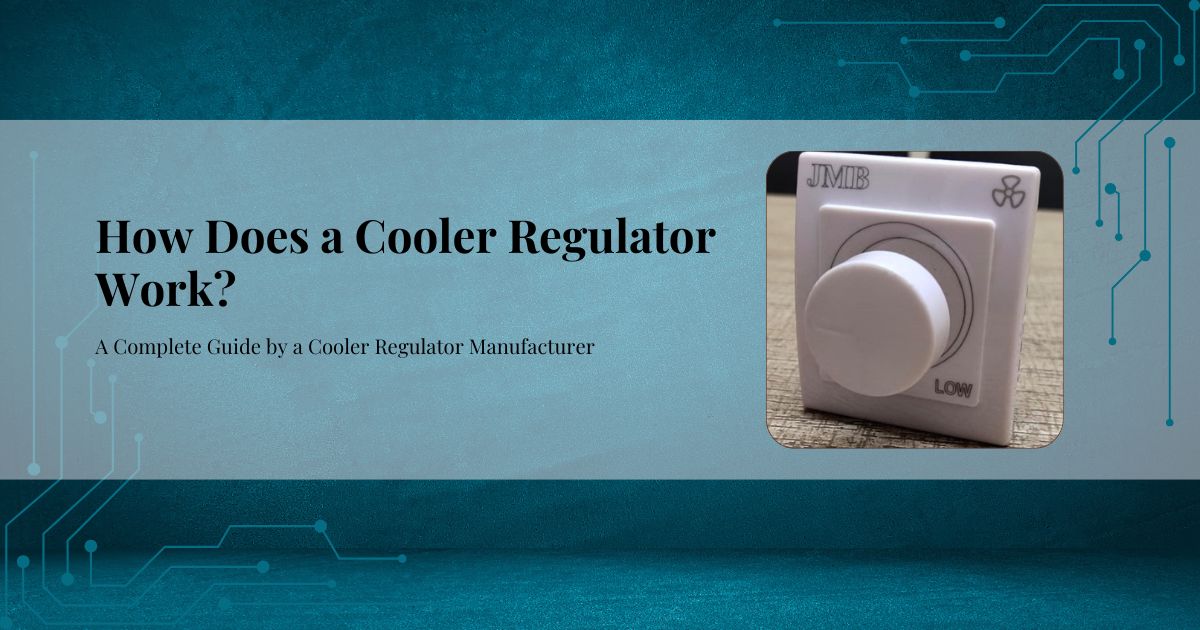
How Does a Cooler Regulator Work? A Complete Guide by a Cooler Regulator Manufacturer

Indian summers demand reliable cooling solutions. Whether you’re running an air cooler at home or managing industrial ventilation systems, understanding how your regulator functions can help you make smarter choices. A properly functioning regulator doesn’t just control speed; it protects your motor, reduces energy bills, and extends equipment life.

As a cooler regulator manufacturer with years of experience, we’ve seen how the right regulator transforms cooling efficiency. This guide breaks down everything you need to know about cooler regulators.

What Is a Cooler Regulator?

A cooler regulator is an electrical device that controls the speed of your air cooler’s fan motor by adjusting the voltage supplied to it. Unlike a simple ON/OFF switch that only powers the motor fully or shuts it down completely, a regulator gives you variable speed control.

Think of it as a volume knob for your cooling system. When you turn the dial, you’re determining how fast it operates. This flexibility matters because different situations call for different airflow levels.

The regulator sits between your power source and the cooler motor, acting as a gatekeeper that determines how much electrical energy reaches the fan. This control mechanism prevents motor burnout, reduces noise levels, and helps you optimize power consumption based on actual cooling requirements.

Working with various cooler regulator manufacturer company partners across India, we’ve observed that many users don’t realize their regulator plays a protective role beyond speed control.

How Does a Cooler Regulator Work? (Step-by-Step)

Step 1: Voltage Control Mechanism

When you adjust your regulator, you’re essentially controlling how much voltage reaches the motor. A standard household supply in India provides 230V AC power. Your regulator reduces this voltage in proportion to your speed setting.

At minimum speed, the regulator might supply only 150V to the motor, causing it to rotate slower. At maximum setting, nearly full voltage passes through, giving you peak performance. This voltage modulation directly impacts power consumption. Running your cooler at 60% speed doesn’t just reduce airflow; it cuts electricity usage significantly.

Step 2: Resistance or Electronic Components

Two main technologies handle voltage reduction in modern regulators. Traditional models use resistive elements. As you turn the knob, you’re changing the resistance in the circuit. Higher resistance means less voltage reaches the motor. These resistor-based units generate heat as a byproduct.

Electronic regulators use semiconductor components like triacs and diodes to chop the AC waveform, effectively reducing the RMS voltage without generating excessive heat. This makes them more efficient and longer-lasting compared to resistive designs.

Heat dissipation becomes crucial in regulator design. Quality products from established Fan Regulator Manufacturers in India incorporate proper ventilation and heat-resistant materials to prevent component degradation.

Step 3: Speed Adjustment Output

The regulated voltage flows to your cooler motor, which responds by adjusting its rotational speed accordingly. Modern regulators provide smooth transitions between speed settings, preventing jerky movements that could stress motor bearings.

A well-designed regulator from a reputable cooler regulator manufacturer ensures gradual transitions that protect your investment. Stable airflow control also improves user comfort.

Types of Cooler Regulators Used in India

Traditional Rotary Cooler Regulators

These classic designs feature a rotating knob that physically adjusts resistance in the circuit. They’re cost-effective and straightforward, making them popular in budget-friendly air coolers. The simplicity means fewer components that could fail, though they generate more heat during operation.

Electronic Cooler Regulators

Modern electronic units use solid-state components to regulate voltage with minimal heat generation. They’re energy-efficient, operate quietly, and typically last longer than their resistive counterparts. These regulators work particularly well in situations where continuous operation is required.

Heavy-Duty Regulators for Industrial Coolers

Industrial settings require regulators that can handle higher current loads and operate continuously without overheating. These robust units feature enhanced heat sinks, industrial-grade components, and higher amperage ratings. Specialized Fan Regulator Manufacturers produce heavy-duty variants specifically engineered for industrial applications.

Cooler Regulator vs Fan Regulator: What’s the Difference?

Load Capacity: Cooler regulators typically handle higher amperage because air cooler motors draw more current than ceiling fans. Using an underpowered regulator with a cooler can lead to overheating and premature failure.

Heat Tolerance: Air coolers often run for extended periods. Cooler regulators incorporate better heat dissipation mechanisms to handle prolonged operation without degrading.

Speed Control Accuracy: Ceiling fans benefit from finer speed gradations. Cooler regulators may have fewer speed steps since coolers don’t require the same level of adjustment precision.

While a heavy-duty fan regulator manufacturer product might work for a cooler in some cases, using a device specifically designed for cooler applications ensures optimal performance and safety.

Why Quality Matters When Choosing a Cooler Regulator Manufacturer

Motor Safety: Inferior regulators can deliver unstable voltage that damages motor windings. Quality products maintain clean, consistent output that protects your expensive cooling equipment.

Fire & Overheating Prevention: Poor-quality components may overheat during normal operation, creating fire hazards. Reputable manufacturers use flame-retardant materials and proper thermal management.

Long-Term Durability: A quality regulator from Sai Electronics India lasts years, while cheap alternatives might fail within months. Factor in replacement costs and the inconvenience of failures during hot weather.

Compliance with Indian Electrical Standards: Legitimate manufacturers ensure their products meet BIS requirements for safety and performance.

Applications of Cooler & Fan Regulators

Residential Air Coolers: Homeowners across India rely on regulators to optimize cooling comfort and electricity costs.

Commercial Spaces: Offices, retail stores, and restaurants use regulators to manage cooling where air conditioning isn’t practical.

Industrial Ventilation Systems: Factories and warehouses employ heavy-duty regulators to control large exhaust fans. Proper speed control maintains air quality while minimizing energy consumption.

OEM Appliance Manufacturing: Cooler manufacturers integrate our regulators into their products. For businesses in Gujarat, partnering with Fan Regulator Manufacturers in Ahmedabad offers local support and faster delivery.

How to Choose the Right Cooler Regulator Company

Load Rating: Verify the regulator’s amperage rating matches or exceeds your cooler’s motor specifications.

Compatibility: Ensure the regulator works with your specific motor type.

Energy Efficiency: Electronic regulators typically waste less energy as heat compared to resistive models.

Warranty & Support: Reputable fan regulator company partners stand behind their products with solid warranties and responsive customer service.

Manufacturing Location: Products made in India often offer better value and easier availability of replacement parts.

Why Buy Directly from a Cooler Regulator Manufacturer?

Better Pricing: Direct purchasing removes distributor margins, passing savings to you.

Customization Options: Manufacturers can modify products to meet specific requirements that off-the-shelf solutions don’t address.

Bulk Supply: Contractors and facility managers benefit from consistent availability and volume discounts.

OEM & Export Support: Working with a manufacturer provides technical collaboration and private labeling options.

Sai Electronics India serves customers ranging from homeowners to industrial clients. Whether you need a single 1000W cooler regulator for home use or specialized units, manufacturer-direct purchasing streamlines the process.

Consider our Classic 1000W cooler regulator or the popular Croma 1000W cooler regulator for modern aesthetics. Industrial applications benefit from our 1500W cooler regulator built for higher loads.

Design-conscious buyers appreciate our Indico 1000W cooler regulator or the distinctive Red 1000W cooler regulator that adds visual appeal.

FAQs: Cooler Regulator Explained

Q. Does a cooler regulator save electricity?

A. Yes. Running your cooler at reduced speeds consumes significantly less power. A regulator allows you to match airflow to actual cooling needs. During milder weather, lower speeds provide adequate comfort while cutting energy consumption by 30-50%.

Q. Can I use a fan regulator for a cooler?

A. It depends on specifications. Some heavy-duty fan regulators handle cooler motors, but many standard ceiling fan regulators are undersized. Always check the amperage rating to avoid overheating and safety risks.

Q. What causes a cooler regulator to fail?

A. Common causes include overheating from excessive current draw, moisture ingress causing short circuits, and mechanical wear. Using regulators beyond their rated capacity accelerates failure. Quality products incorporate protection features that resist these issues.

Q. How long does a good regulator last?

A. A quality regulator should provide 5-10 years of reliable service under normal residential use. Electronic regulators generally outlast resistive types due to lower thermal stress.

Conclusion: Trusted Cooler Regulator Manufacturer in India

Understanding how cooler regulators work empowers you to make informed decisions. From voltage control mechanisms to the differences between regulator types, this knowledge helps you select products that deliver reliable performance.

Quality matters in regulator selection. The right device controls speed, safeguards motors, reduces energy costs, and operates safely for years. Working with an established cooler regulator manufacturer ensures you receive products built to proper standards.

For more insights, read our article on Made in India Best Fan Regulator Manufacturers for Modern Homes or learn about Remote-Control Ceiling Fans vs. Traditional Regulators.

Ready to upgrade your cooling system? Contact us for technical specifications, bulk pricing, or OEM partnership opportunities.

Chat With Us