Categories
Blogs cooler regulator manufacturer Fan Regulator Manufacturing

How Does a Cooler Regulator Work? A Complete Guide by a Cooler Regulator Manufacturer

Indian summers demand reliable cooling solutions. Whether you’re running an air cooler at home or managing industrial ventilation systems, understanding how your regulator functions can help you make smarter choices. A properly functioning regulator doesn’t just control speed; it protects your motor, reduces energy bills, and extends equipment life.

As a cooler regulator manufacturer with years of experience, we’ve seen how the right regulator transforms cooling efficiency. This guide breaks down everything you need to know about cooler regulators.

What Is a Cooler Regulator?

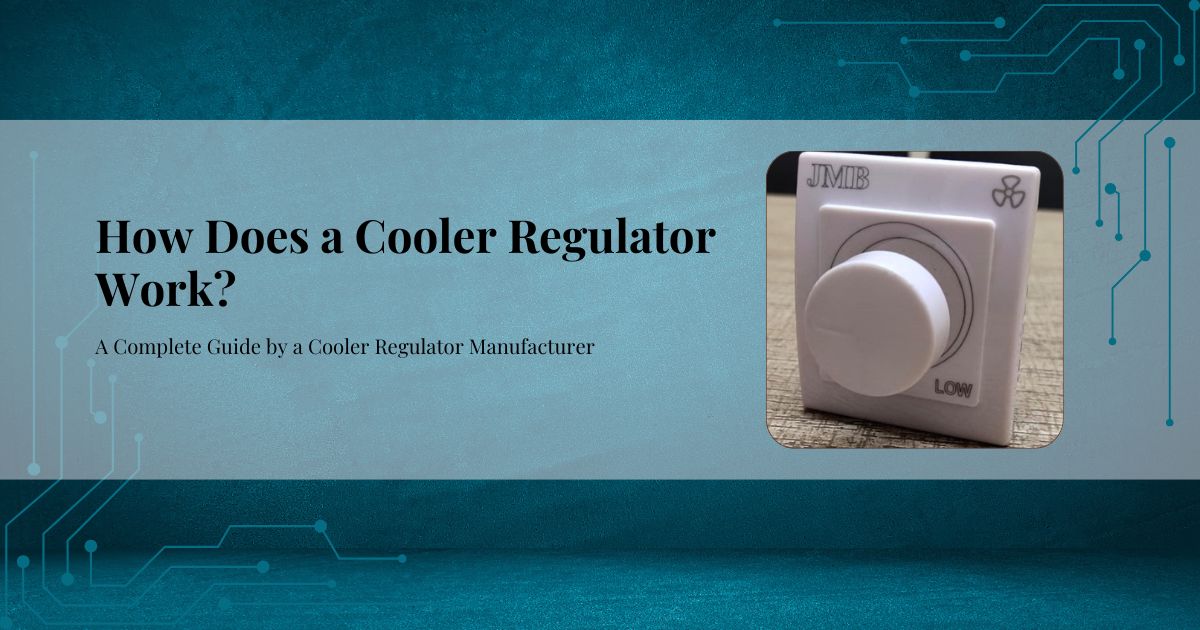
A cooler regulator is an electrical device that controls the speed of your air cooler’s fan motor by adjusting the voltage supplied to it. Unlike a simple ON/OFF switch that only powers the motor fully or shuts it down completely, a regulator gives you variable speed control.

Think of it as a volume knob for your cooling system. When you turn the dial, you’re determining how fast it operates. This flexibility matters because different situations call for different airflow levels.

The regulator sits between your power source and the cooler motor, acting as a gatekeeper that determines how much electrical energy reaches the fan. This control mechanism prevents motor burnout, reduces noise levels, and helps you optimize power consumption based on actual cooling requirements.

Working with various cooler regulator manufacturer company partners across India, we’ve observed that many users don’t realize their regulator plays a protective role beyond speed control.

How Does a Cooler Regulator Work? (Step-by-Step)

Step 1: Voltage Control Mechanism

When you adjust your regulator, you’re essentially controlling how much voltage reaches the motor. A standard household supply in India provides 230V AC power. Your regulator reduces this voltage in proportion to your speed setting.

At minimum speed, the regulator might supply only 150V to the motor, causing it to rotate slower. At maximum setting, nearly full voltage passes through, giving you peak performance. This voltage modulation directly impacts power consumption. Running your cooler at 60% speed doesn’t just reduce airflow; it cuts electricity usage significantly.

Step 2: Resistance or Electronic Components

Two main technologies handle voltage reduction in modern regulators. Traditional models use resistive elements. As you turn the knob, you’re changing the resistance in the circuit. Higher resistance means less voltage reaches the motor. These resistor-based units generate heat as a byproduct.

Electronic regulators use semiconductor components like triacs and diodes to chop the AC waveform, effectively reducing the RMS voltage without generating excessive heat. This makes them more efficient and longer-lasting compared to resistive designs.

Heat dissipation becomes crucial in regulator design. Quality products from established Fan Regulator Manufacturers in India incorporate proper ventilation and heat-resistant materials to prevent component degradation.

Step 3: Speed Adjustment Output

The regulated voltage flows to your cooler motor, which responds by adjusting its rotational speed accordingly. Modern regulators provide smooth transitions between speed settings, preventing jerky movements that could stress motor bearings.

A well-designed regulator from a reputable cooler regulator manufacturer ensures gradual transitions that protect your investment. Stable airflow control also improves user comfort.

Types of Cooler Regulators Used in India

Traditional Rotary Cooler Regulators

These classic designs feature a rotating knob that physically adjusts resistance in the circuit. They’re cost-effective and straightforward, making them popular in budget-friendly air coolers. The simplicity means fewer components that could fail, though they generate more heat during operation.

Electronic Cooler Regulators

Modern electronic units use solid-state components to regulate voltage with minimal heat generation. They’re energy-efficient, operate quietly, and typically last longer than their resistive counterparts. These regulators work particularly well in situations where continuous operation is required.

Heavy-Duty Regulators for Industrial Coolers

Industrial settings require regulators that can handle higher current loads and operate continuously without overheating. These robust units feature enhanced heat sinks, industrial-grade components, and higher amperage ratings. Specialized Fan Regulator Manufacturers produce heavy-duty variants specifically engineered for industrial applications.

Cooler Regulator vs Fan Regulator: What’s the Difference?

Load Capacity: Cooler regulators typically handle higher amperage because air cooler motors draw more current than ceiling fans. Using an underpowered regulator with a cooler can lead to overheating and premature failure.

Heat Tolerance: Air coolers often run for extended periods. Cooler regulators incorporate better heat dissipation mechanisms to handle prolonged operation without degrading.

Speed Control Accuracy: Ceiling fans benefit from finer speed gradations. Cooler regulators may have fewer speed steps since coolers don’t require the same level of adjustment precision.

While a heavy-duty fan regulator manufacturer product might work for a cooler in some cases, using a device specifically designed for cooler applications ensures optimal performance and safety.

Why Quality Matters When Choosing a Cooler Regulator Manufacturer

Motor Safety: Inferior regulators can deliver unstable voltage that damages motor windings. Quality products maintain clean, consistent output that protects your expensive cooling equipment.

Fire & Overheating Prevention: Poor-quality components may overheat during normal operation, creating fire hazards. Reputable manufacturers use flame-retardant materials and proper thermal management.

Long-Term Durability: A quality regulator from Sai Electronics India lasts years, while cheap alternatives might fail within months. Factor in replacement costs and the inconvenience of failures during hot weather.

Compliance with Indian Electrical Standards: Legitimate manufacturers ensure their products meet BIS requirements for safety and performance.

Applications of Cooler & Fan Regulators

Residential Air Coolers: Homeowners across India rely on regulators to optimize cooling comfort and electricity costs.

Commercial Spaces: Offices, retail stores, and restaurants use regulators to manage cooling where air conditioning isn’t practical.

Industrial Ventilation Systems: Factories and warehouses employ heavy-duty regulators to control large exhaust fans. Proper speed control maintains air quality while minimizing energy consumption.

OEM Appliance Manufacturing: Cooler manufacturers integrate our regulators into their products. For businesses in Gujarat, partnering with Fan Regulator Manufacturers in Ahmedabad offers local support and faster delivery.

How to Choose the Right Cooler Regulator Company

Load Rating: Verify the regulator’s amperage rating matches or exceeds your cooler’s motor specifications.

Compatibility: Ensure the regulator works with your specific motor type.

Energy Efficiency: Electronic regulators typically waste less energy as heat compared to resistive models.

Warranty & Support: Reputable fan regulator company partners stand behind their products with solid warranties and responsive customer service.

Manufacturing Location: Products made in India often offer better value and easier availability of replacement parts.

Why Buy Directly from a Cooler Regulator Manufacturer?

Better Pricing: Direct purchasing removes distributor margins, passing savings to you.

Customization Options: Manufacturers can modify products to meet specific requirements that off-the-shelf solutions don’t address.

Bulk Supply: Contractors and facility managers benefit from consistent availability and volume discounts.

OEM & Export Support: Working with a manufacturer provides technical collaboration and private labeling options.

Sai Electronics India serves customers ranging from homeowners to industrial clients. Whether you need a single 1000W cooler regulator for home use or specialized units, manufacturer-direct purchasing streamlines the process.

Consider our Classic 1000W cooler regulator or the popular Croma 1000W cooler regulator for modern aesthetics. Industrial applications benefit from our 1500W cooler regulator built for higher loads.

Design-conscious buyers appreciate our Indico 1000W cooler regulator or the distinctive Red 1000W cooler regulator that adds visual appeal.

FAQs: Cooler Regulator Explained

Q. Does a cooler regulator save electricity?

A. Yes. Running your cooler at reduced speeds consumes significantly less power. A regulator allows you to match airflow to actual cooling needs. During milder weather, lower speeds provide adequate comfort while cutting energy consumption by 30-50%.

Q. Can I use a fan regulator for a cooler?

A. It depends on specifications. Some heavy-duty fan regulators handle cooler motors, but many standard ceiling fan regulators are undersized. Always check the amperage rating to avoid overheating and safety risks.

Q. What causes a cooler regulator to fail?

A. Common causes include overheating from excessive current draw, moisture ingress causing short circuits, and mechanical wear. Using regulators beyond their rated capacity accelerates failure. Quality products incorporate protection features that resist these issues.

Q. How long does a good regulator last?

A. A quality regulator should provide 5-10 years of reliable service under normal residential use. Electronic regulators generally outlast resistive types due to lower thermal stress.

Conclusion: Trusted Cooler Regulator Manufacturer in India

Understanding how cooler regulators work empowers you to make informed decisions. From voltage control mechanisms to the differences between regulator types, this knowledge helps you select products that deliver reliable performance.

Quality matters in regulator selection. The right device controls speed, safeguards motors, reduces energy costs, and operates safely for years. Working with an established cooler regulator manufacturer ensures you receive products built to proper standards.

For more insights, read our article on Made in India Best Fan Regulator Manufacturers for Modern Homes or learn about Remote-Control Ceiling Fans vs. Traditional Regulators.

Ready to upgrade your cooling system? Contact us for technical specifications, bulk pricing, or OEM partnership opportunities.
Categories
Fan Regulator Manufacturing

How to Connect a Fan Regulator Step-by-Step: A Simple Wiring Guide

A fan regulator is a small yet essential device that controls the speed of your ceiling fan. Whether you’re setting up a new fan or replacing an old regulator, understanding how to connect a fan regulator correctly ensures safe operation and optimal performance. Many homeowners hesitate to handle electrical work themselves, but with the right guidance and safety measures, installing a fan regulator can be straightforward.

When choosing a regulator, it’s important to source it from reliable fan regulator manufacturers or a trusted fan regulator company to ensure quality and durability. This guide will walk you through the entire process of connecting a fan regulator, from choosing the right type to testing your installation. By following these steps carefully, you’ll gain confidence in handling basic electrical work while ensuring your fan operates smoothly and safely.

Types of Fan Regulator Switches

Before starting the installation, it’s important to understand the different fan regulator switch type options available in the market. Each type has distinct features and wiring requirements.

Rotary or Step-Type Regulators

These traditional regulators use a rotating knob to adjust fan speed. They typically offer 4-5 speed settings and work by adding resistance to the circuit. While they’re affordable and widely available, they can generate heat during operation and may wear out faster than modern alternatives.

Electronic Regulators

Electronic fan regulators use semiconductor technology to control fan speed more efficiently. They produce less heat, offer smoother speed transitions, and consume less power. Products like the 1 M 7 Diamond Modular Ceiling Fan Regulator use advanced circuitry that extends fan life and reduces energy waste.

Modular Touch Regulators

Modern modular regulators feature touch-sensitive panels or buttons instead of rotating knobs. They provide precise speed control and add a contemporary aesthetic to your walls. The 1 M 7 Dio Modular Regulator offers sleek designs that complement modern interiors while delivering reliable performance.

Smart Digital Regulators

The most advanced option, smart regulators can be controlled remotely via smartphone apps or voice assistants. They often include features like timer settings, energy monitoring, and integration with home automation systems.

Understanding your fan regulator switch type helps you identify the correct terminals and wiring configuration during installation.

Tools and Materials Needed

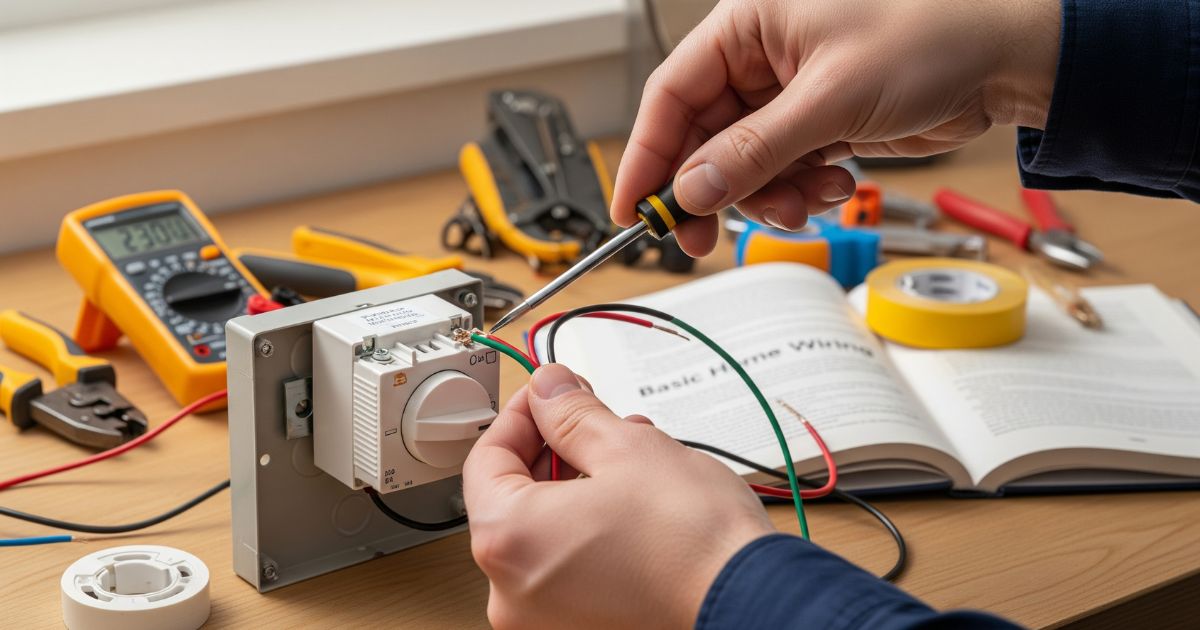
Gathering the right tools before starting makes the installation process smoother and safer. Here’s what you’ll need:

Basic Tools:

  • Flathead and Phillips screwdimmers
  • Wire stripper or cutter
  • Voltage tester or multimeter
  • Pliers (needle-nose preferred)
  • Electrical tape
  • Small torch or flashlight

Safety Equipment:

  • Insulated gloves
  • Safety glasses
  • Non-conductive ladder or step stool
  • Insulated screwdrivers

Materials:

  • New fan regulator (appropriate for your fan wattage)
  • Wire connectors or terminals (if not included)
  • Mounting screws (usually provided with the regulator)
  • Modular box (if upgrading to modular type)

Having everything ready before you begin prevents unnecessary trips and keeps you focused on the task.

Safety Precautions Before Starting

Electrical work requires strict adherence to safety protocols. Never skip these critical steps:

Turn Off Main Power Supply

Locate your home’s circuit breaker panel and switch off the breaker controlling the fan circuit. Simply turning off the wall switch isn’t sufficient as someone might accidentally turn it back on while you’re working.

Verify Power is Off

Use a voltage tester to confirm that no electricity is flowing to the wires. Test both the existing regulator terminals and the wire connections. This simple check can prevent serious electrical shock.

Inform Household Members

Let everyone in your home know that you’re working on electrical installations. Consider placing a note on the breaker panel to prevent anyone from turning the power back on.

Work in Proper Lighting

Ensure adequate lighting in your work area. If the room is dark, use a battery-powered flashlight rather than relying on room lights that may be on the same circuit.

Check Regulator Compatibility

Verify that your new regulator matches your fan’s wattage rating. Installing an undersized regulator can cause overheating and potential fire hazards.

Step-by-Step Guide to Connect a Fan Regulator

Now that you’ve prepared properly, follow these detailed steps to install your fan regulator safely.

Step 1: Turn Off Power and Remove the Old Regulator

After switching off the circuit breaker, remove the faceplate of your existing regulator by unscrewing it. Most regulators have two screws holding the plate in place. Set aside the screws carefully as you may need them for the new installation.

Gently pull the old regulator forward to expose the wiring behind it. Take a photo of the existing connections with your phone before disconnecting anything. This visual reference can be helpful if you need to troubleshoot later.

Step 2: Identify Wiring Connections

Indian electrical systems typically use three types of wires:

  • Live Wire (Phase): Usually red or brown, this carries current from the power source
  • Neutral Wire: Typically black or blue, this completes the circuit
  • Earth Wire: Green or green-yellow striped, providing safety grounding

Fan regulator wiring involves four connection points:

  1. Incoming live wire from the switchboard
  2. Outgoing live wire to the fan
  3. Neutral wire (common connection)
  4. Earth wire (safety ground)

Use your voltage tester one final time to confirm all wires are de-energized before touching them.

Step 3: Connect the Live Wire to the Regulator

The regulator controls fan speed by regulating the current flowing through the live wire. Identify the terminal marked “Input” or “L-In” on your new regulator. Connect the incoming live wire (from your switchboard) to this terminal.

Next, locate the terminal marked “Output,” “Load,” or “L-Out.” Connect the wire going to your fan to this terminal. These connections allow the regulator to control the current flowing to your fan motor.

If you’re installing modular products like the 1 M 7 SILVER, the terminals will be clearly labeled on the back. Loosen the terminal screws, insert the stripped wire ends (about 8-10mm of exposed wire), and tighten securely without over-torquing.

Step 4: Connect Neutral and Earth Wires

The neutral wire typically bypasses the regulator and connects directly in the electrical box using wire connectors. Join all neutral wires together: the incoming neutral, the outgoing neutral to the fan, and the regulator’s neutral connection (if applicable).

Similarly, connect all earth wires together. Even though the earth doesn’t carry current during normal operation, it provides crucial protection against electrical faults.

Wrap all wire connections with electrical tape for added insulation and security.

Step 5: Secure the Regulator and Switch Plate

Carefully push the connected regulator back into the mounting box. Ensure no wires are pinched or stressed. The regulator should fit snugly without forcing.

Align the regulator properly so that the control knob or switch faces the correct direction. Use the provided screws to secure the regulator to the box. Don’t overtighten as this can crack plastic components.

Attach the faceplate or modular frame. For modular regulators like the 1 M CROMA BLACK Modular Regulator, snap the frame into place and ensure it sits flush against the wall.

Step 6: Turn On Power and Test

Return to your breaker panel and switch the circuit back on. Test the regulator at different speed settings to ensure it’s working correctly. The fan should respond smoothly to speed adjustments without unusual noises or flickering.

If everything works properly, your installation is complete. If you notice any issues, turn off the power immediately and recheck your connections.

Common Mistakes to Avoid

Even experienced DIYers can make errors during installation. Watch out for these common pitfalls:

Reversing Input and Output Connections

Connecting wires to wrong terminals is the most frequent mistake. Always double-check that the incoming live wire connects to the input terminal and the fan wire connects to the output.

Inadequate Wire Stripping

Stripping too much insulation exposes excess bare wire that could cause short circuits. Strip only 8-10mm of insulation. Conversely, stripping too little prevents proper contact with terminals.

Ignoring Wire Capacity

Using wires that are too thin for your fan’s current rating creates fire hazards. Standard ceiling fans typically require 1.5 sq mm wires for safe operation.

Overtightening Terminal Screws

Excessive force can damage the regulator’s internal components or break wire strands. Tighten screws firmly but gently until the wire is secure.

Mixing Regulator Types

Don’t install an electronic regulator designed for induction motors with a brushless DC fan or vice versa. Always match the regulator type to your fan’s motor technology.

Troubleshooting Tips

If your fan doesn’t work correctly after installation, try these diagnostic steps:

Regulator Not Working at All

First, verify that power is reaching the circuit by checking the breaker. Test the voltage at the regulator’s input terminal. If voltage is present but the fan won’t run, check for loose connections or a faulty regulator.

Fan Speed Not Changing

If the fan runs at only one speed regardless of regulator setting, you may have bypassed the regulator accidentally by connecting the fan wire directly to the incoming live. Review your connections against the wiring diagram.

Flickering or Buzzing Sounds

These symptoms often indicate loose connections or incompatibility between the regulator and fan type. Tighten all terminals and verify that your regulator suits your fan’s technology. Older step-type regulators commonly produce humming sounds, which is normal.

Regulator Overheating

If the regulator becomes excessively hot during operation, it may be undersized for your fan’s wattage. Replace it with a higher-capacity model suitable for your fan.

Intermittent Operation

Check for damaged wires or corroded terminals in the connection box. Clean or replace as necessary.

Choosing Quality Products for Reliable Performance

The quality of your fan regulator significantly impacts both safety and longevity. At Sai Electronics India, we manufacture a wide range of fan regulators designed for Indian electrical systems and climate conditions.

Our modular series combines aesthetic appeal with robust functionality. Whether you need a basic rotary regulator or an advanced touch-based control, you’ll find suitable options in our Shop.

Before making a purchase, consider factors like your fan’s power rating, room aesthetics, and desired features. 

For comprehensive guidance on choosing between different technologies, check out our article on choosing analog, digital, and smart fan regulators. Understanding these differences helps you make informed decisions that balance functionality, energy efficiency, and budget.

Conclusion

Learning how to connect fan regulator properly empowers you to handle basic electrical maintenance confidently. By following the steps outlined in this guide, using appropriate tools, and prioritizing safety, you can successfully install a fan regulator in your home.

Remember that the key to successful installation lies in careful preparation, accurate wire identification, and thorough testing. Don’t rush through any step, and never compromise on safety protocols.

If you feel uncertain about any part of the process, consulting a licensed electrician is always the wise choice. Electrical work requires respect and caution, regardless of how simple it may seem.

For more insights on fan regulators and modern electrical solutions, visit our article on how to choose the best fan regulator for your lifestyle.

Ready to upgrade your fan control system? 

Visit Sai Electronics India to find premium quality regulators designed for safety, efficiency, and style. Our expert team can help you choose the perfect regulator for your needs.

Categories
Fan Regulator Manufacturing

Inside India’s Fan Regulator Supply Chain: From Factory to Retail Shelf

The journey of a fan regulator from manufacturing units to your home involves multiple stages, quality checks, and distribution networks. Understanding this supply chain helps consumers make informed decisions when they buy a fan regulator online or from physical stores. Many trusted fan regulator manufacturers and a reliable fan regulator company play a vital role in delivering quality products to consumers. Today’s electrical market has evolved significantly, offering various purchasing options that cater to different consumer needs and budgets.

India’s electrical products industry has grown remarkably over the past decade. The supply chain for fan regulators specifically has become more efficient, transparent, and customer-focused. From raw material sourcing to final delivery, each step plays a crucial role in determining product quality, pricing, and availability.

The Manufacturing Stage: Where Quality Begins

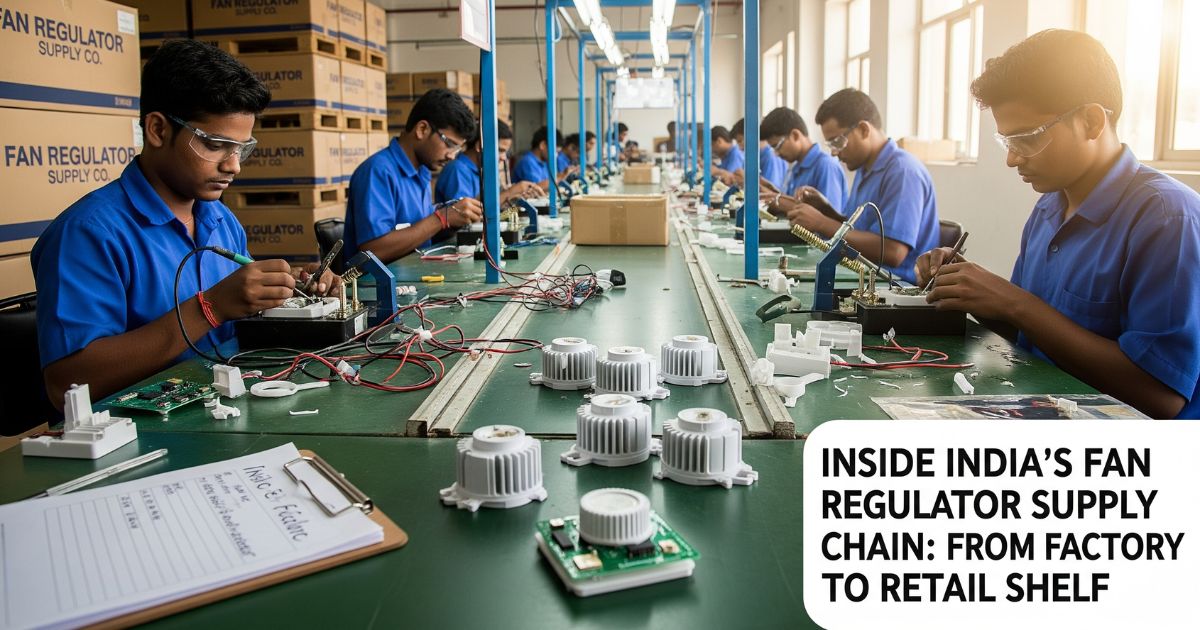
The supply chain starts at manufacturing facilities where raw materials transform into functional fan regulators. These factories typically source components like electronic circuits, plastic casings, metal plates, and wiring from specialized suppliers. Quality control begins at this stage, with fan regulator manufacturers testing each component before assembly.

Modern manufacturing units use automated processes for precision and consistency. The assembly lines combine manual expertise with machine accuracy to produce regulators that meet safety standards. Manufacturers like Sai Electronics India focus on maintaining strict quality parameters throughout production.

After assembly, each unit undergoes rigorous testing. This includes voltage testing, heat resistance checks, and durability assessments. Only products that pass these tests move forward in the supply chain. This quality assurance process ensures that customers receive reliable products whether they purchase from stores or fan regulator online platforms.

Distribution Networks: Bridging Factories and Markets

After manufacturing, fan regulators move through a network of distributors, wholesalers, and retailers. Large manufacturers use regional distribution centers to manage stock and logistics efficiently.

Distributors maintain inventory and supply products to retail channels, ensuring steady availability. Wholesalers buy in bulk and sell to smaller retailers, enabling even small towns to access quality electrical products.

The Retail Landscape: Physical and Digital Stores

The retail stage represents the final link before products reach consumers. Traditional brick-and-mortar stores have been the primary sales channel for decades. Local electrical shops, hardware stores, and dedicated showrooms display various models allowing customers to see products physically before purchasing.

However, the digital revolution has transformed this landscape significantly. Online marketplaces now offer extensive catalogs where customers can buy fan regulator online with ease. These platforms provide detailed product descriptions, high-quality images, and customer reviews that help in decision-making.

E-commerce platforms have made it possible to compare multiple products simultaneously. Shoppers can filter by price, features, brand, and ratings. This convenience has made online shopping increasingly popular, especially among tech-savvy consumers looking for fan regulator low price options without compromising quality.

Why Buying a Fan Regulator Online Makes Sense

Digital shopping offers several advantages over traditional retail visits. Convenience tops the list as customers can browse through hundreds of options from their homes. There is no need to visit multiple stores or deal with limited inventory.

Online platforms provide comprehensive product information. Detailed specifications, installation guides, and user manuals are readily available. Customer reviews offer real-world insights into product performance, helping buyers make informed choices.

Price transparency is another significant benefit. Online stores display prices clearly, making it easy to compare across different sellers. Seasonal sales, discount codes, and special offers frequently make online purchases more economical. Finding a fan regulator low price becomes simpler with filter options that sort products by cost.

Delivery services have improved dramatically. Most platforms offer doorstep delivery within days, and some even provide same-day or next-day delivery in metro cities. Return policies have become customer-friendly, giving buyers confidence in their online purchases.

Top Online Destinations for Fan Regulators

Major E-Commerce Marketplaces

Amazon India stands as one of the largest online marketplaces for electrical products. Their vast selection includes basic analog regulators to advanced digital models. The platform’s customer review system helps buyers gauge product quality before purchasing. Fast delivery options and reliable return policies make it a preferred choice for many.

Flipkart offers similar advantages with competitive pricing and frequent sales events. Their app-based shopping experience is user-friendly, and they often provide exclusive discounts during festive seasons. The platform’s seller rating system ensures customers deal with credible vendors.

Specialized Electrical Platforms

Industry-specific websites focusing on electrical and home improvement products offer curated selections. These platforms often provide better technical support and product guidance. Their shop sections typically feature detailed product comparisons and compatibility information.

Manufacturer websites like Sai Electronics India offer direct purchasing options. Buying directly from manufacturers ensures product authenticity and often comes with better warranty terms. These sites provide technical specifications and installation support that general marketplaces might not offer.

Many online stores now feature advanced product filtering systems. You can narrow down choices by amperage ratings, design styles, and smart features. This makes finding the perfect regulator for your specific fan model much easier.

Finding the Best Prices Online

Smart shopping means more than picking the first option. Use filters and sort by price to find fan regulators at low prices that fit your budget.

Timing matters. Sales events, festive offers, and year-end clearances often bring discounts. Subscribe to newsletters or set price alerts to catch deals.

Compare prices across platforms. Products can vary in cost, and some sites offer price-match guarantees.

Buying in bulk or bundling items can lower costs. If renovating or needing multiple regulators, this can save money.

Essential Features to Consider

Compatibility and Technical Specifications

Not all regulators work with every fan type. Modern BLDC fans require electronic regulators, while traditional fans work with standard models. Check your fan’s specifications before purchasing to ensure compatibility. The 1 M 7 Diamond Modular Ceiling Fan Regulator offers versatile compatibility with various fan types.

Voltage ratings matter significantly. Indian homes typically use 230V supply, and your regulator must match this standard. Step-less regulation provides smoother speed control compared to fixed-step models, enhancing user experience.

Build Quality and Durability

Material quality directly impacts longevity. High-grade plastic casings resist heat and wear better than cheaper alternatives. Metal components should be corrosion-resistant to ensure long-term functionality.

The 1 M 7 Dio Modular Regulator exemplifies quality construction with durable materials that withstand daily use. Look for products with thick, sturdy knobs that won’t break easily.

Safety Certifications

Always verify safety certifications like ISI marks. These indicate the product meets Indian safety standards. Fire-retardant materials and overload protection features prevent electrical hazards.

Proper insulation protects against electric shocks. Quality regulators include thermal cut-offs that prevent overheating. These safety features become particularly important in homes with children.

Aesthetic Appeal

Modern regulators combine functionality with design. Modular options like the 1 M 7 SILVER blend seamlessly with contemporary interiors. Choose finishes that complement your room’s decor.

The 1 M CROMA BLACK Modular Regulator offers an elegant black finish suitable for modern homes. Color and design choices have expanded significantly, moving beyond basic white plastic boxes.

Supply Chain Transparency and Consumer Trust

Consumers value transparency in sourcing and manufacturing. Clear communication builds trust and helps buyers make ethical choices.

Digital tools make traceability easier. Many brands share batch numbers and manufacturing dates, letting customers verify freshness and assist with warranty claims or defect reports.

Sustainable practices matter. Eco-friendly packaging and lower carbon footprints appeal to conscious buyers and support wider environmental goals.

Smart Shopping Practices for Online Purchases

Research Before Buying

Reading customer reviews provides valuable insights. Look for reviews mentioning long-term performance rather than just initial impressions. Reviews discussing installation ease, durability, and customer service experiences prove most helpful.

Technical specifications deserve careful attention. Understand what features you need versus what sounds impressive in marketing materials. Not every advanced feature adds practical value to your daily use.

For deeper insights into making the right choice, check out our guide on how to choose the best fan regulator for your lifestyle.

Verify Seller Credentials

Purchase from authorized sellers to avoid counterfeit products. Check seller ratings and read feedback from previous customers. Established sellers typically offer better after-sales support and honor warranty claims.

Official brand stores or authorized resellers guarantee product authenticity. While prices might be slightly higher, the assurance of genuine products justifies the difference. For more information about smart home integration, visit our blog section.

Understand Return Policies

Familiarize yourself with return windows and conditions. Some sellers offer 7-day returns while others provide 30-day windows. Know whether returns are free or if you need to bear shipping costs.

Warranty terms vary between manufacturers. Some offer replacement warranties while others provide repair services. Understand what’s covered and the claim process before purchasing. Keep all documentation including bills and warranty cards safely.

The Future of Fan Regulator Supply Chains

Digital transformation continues reshaping supply chains. Smart inventory management systems predict demand patterns, reducing stockouts and excess inventory. This efficiency translates to better prices and availability for consumers.

Direct-to-consumer models are emerging, where manufacturers sell directly through their websites. This approach eliminates intermediaries, potentially reducing costs while maintaining quality. It also allows brands to build stronger customer relationships.

Smart home integration is the next frontier. Modern regulators with IoT capabilities allow remote control through smartphones. Voice assistant compatibility and automated scheduling features are becoming standard in premium models. Learn more about these innovations in our article about choosing between analog, digital, and smart fan regulators.

Frequently Asked Questions

Q: How can I be sure I’m getting a genuine fan regulator online?
A: Buy from authorized sellers or official brand websites. Check packaging, hologram stickers, and ISI certification. Verify seller ratings and read reviews. Genuine dealers provide warranty cards and proper invoices.

Q: How long does delivery take?
A: Metro cities usually receive orders in 3-7 business days. Smaller towns may take 7-10 days. Express delivery can be 1-2 days in some areas. Check the estimated delivery date at checkout.

Q: Are online prices lower than in stores?
A: Online prices can be lower due to reduced costs. Discounts are common during sales. Prices vary by seller and time, so compare before buying.

Q: Can I install a fan regulator myself?
A: Simple installations may be DIY if you have electrical knowledge. For safety, a certified electrician is recommended. Wrong installation can cause damage or hazards. Some sellers offer installation for a fee.

Q: What warranty comes with a fan regulator?
A: Warranties usually last 1-2 years for defects. Premium models may offer longer coverage. Register the product and keep your invoice and warranty card for claims.

Making the Right Choice for Your Home

Understanding the supply chain from factory to your home empowers better purchasing decisions. Whether you choose traditional retail or buy fan regulator online, knowing how products reach you helps evaluate quality and pricing.

The electrical products market offers numerous options across price points and features. From basic analog models to advanced digital controllers, there’s something for every need and budget. Prioritize safety certifications, compatibility, and build quality over just finding the lowest price.

Online shopping has democratized access to quality electrical products. With proper research and smart shopping practices, you can find reliable products at competitive prices. The convenience of home delivery and easy returns makes online purchasing increasingly attractive.

Ready to upgrade your home’s fan controls? Visit Sai Electronics India to view our complete range of high-quality fan regulators. Our modular designs combine functionality with aesthetic appeal, ensuring your choice complements your home’s interior. Need guidance? Contact us for expert recommendations tailored to your specific requirements. Make the smart choice today and experience the difference quality makes in your daily comfort.

Chat With Us