Categories
Fan Regulator Manufacturing

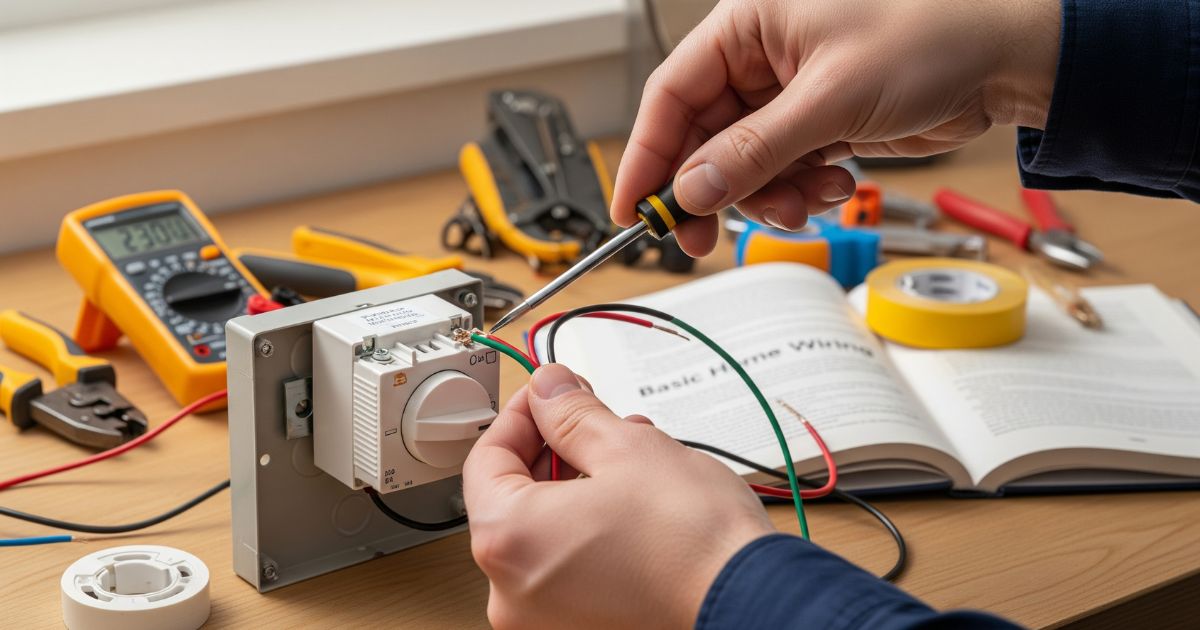
How to Connect a Fan Regulator Step-by-Step: A Simple Wiring Guide

A fan regulator is a small yet essential device that controls the speed of your ceiling fan. Whether you’re setting up a new fan or replacing an old regulator, understanding how to connect a fan regulator correctly ensures safe operation and optimal performance. Many homeowners hesitate to handle electrical work themselves, but with the right guidance and safety measures, installing a fan regulator can be straightforward.

When choosing a regulator, it’s important to source it from reliable fan regulator manufacturers or a trusted fan regulator company to ensure quality and durability. This guide will walk you through the entire process of connecting a fan regulator, from choosing the right type to testing your installation. By following these steps carefully, you’ll gain confidence in handling basic electrical work while ensuring your fan operates smoothly and safely.

Types of Fan Regulator Switches

Before starting the installation, it’s important to understand the different fan regulator switch type options available in the market. Each type has distinct features and wiring requirements.

Rotary or Step-Type Regulators

These traditional regulators use a rotating knob to adjust fan speed. They typically offer 4-5 speed settings and work by adding resistance to the circuit. While they’re affordable and widely available, they can generate heat during operation and may wear out faster than modern alternatives.

Electronic Regulators

Electronic fan regulators use semiconductor technology to control fan speed more efficiently. They produce less heat, offer smoother speed transitions, and consume less power. Products like the 1 M 7 Diamond Modular Ceiling Fan Regulator use advanced circuitry that extends fan life and reduces energy waste.

Modular Touch Regulators

Modern modular regulators feature touch-sensitive panels or buttons instead of rotating knobs. They provide precise speed control and add a contemporary aesthetic to your walls. The 1 M 7 Dio Modular Regulator offers sleek designs that complement modern interiors while delivering reliable performance.

Smart Digital Regulators

The most advanced option, smart regulators can be controlled remotely via smartphone apps or voice assistants. They often include features like timer settings, energy monitoring, and integration with home automation systems.

Understanding your fan regulator switch type helps you identify the correct terminals and wiring configuration during installation.

Tools and Materials Needed

Gathering the right tools before starting makes the installation process smoother and safer. Here’s what you’ll need:

Basic Tools:

  • Flathead and Phillips screwdimmers
  • Wire stripper or cutter
  • Voltage tester or multimeter
  • Pliers (needle-nose preferred)
  • Electrical tape
  • Small torch or flashlight

Safety Equipment:

  • Insulated gloves
  • Safety glasses
  • Non-conductive ladder or step stool
  • Insulated screwdrivers

Materials:

  • New fan regulator (appropriate for your fan wattage)
  • Wire connectors or terminals (if not included)
  • Mounting screws (usually provided with the regulator)
  • Modular box (if upgrading to modular type)

Having everything ready before you begin prevents unnecessary trips and keeps you focused on the task.

Safety Precautions Before Starting

Electrical work requires strict adherence to safety protocols. Never skip these critical steps:

Turn Off Main Power Supply

Locate your home’s circuit breaker panel and switch off the breaker controlling the fan circuit. Simply turning off the wall switch isn’t sufficient as someone might accidentally turn it back on while you’re working.

Verify Power is Off

Use a voltage tester to confirm that no electricity is flowing to the wires. Test both the existing regulator terminals and the wire connections. This simple check can prevent serious electrical shock.

Inform Household Members

Let everyone in your home know that you’re working on electrical installations. Consider placing a note on the breaker panel to prevent anyone from turning the power back on.

Work in Proper Lighting

Ensure adequate lighting in your work area. If the room is dark, use a battery-powered flashlight rather than relying on room lights that may be on the same circuit.

Check Regulator Compatibility

Verify that your new regulator matches your fan’s wattage rating. Installing an undersized regulator can cause overheating and potential fire hazards.

Step-by-Step Guide to Connect a Fan Regulator

Now that you’ve prepared properly, follow these detailed steps to install your fan regulator safely.

Step 1: Turn Off Power and Remove the Old Regulator

After switching off the circuit breaker, remove the faceplate of your existing regulator by unscrewing it. Most regulators have two screws holding the plate in place. Set aside the screws carefully as you may need them for the new installation.

Gently pull the old regulator forward to expose the wiring behind it. Take a photo of the existing connections with your phone before disconnecting anything. This visual reference can be helpful if you need to troubleshoot later.

Step 2: Identify Wiring Connections

Indian electrical systems typically use three types of wires:

  • Live Wire (Phase): Usually red or brown, this carries current from the power source
  • Neutral Wire: Typically black or blue, this completes the circuit
  • Earth Wire: Green or green-yellow striped, providing safety grounding

Fan regulator wiring involves four connection points:

  1. Incoming live wire from the switchboard
  2. Outgoing live wire to the fan
  3. Neutral wire (common connection)
  4. Earth wire (safety ground)

Use your voltage tester one final time to confirm all wires are de-energized before touching them.

Step 3: Connect the Live Wire to the Regulator

The regulator controls fan speed by regulating the current flowing through the live wire. Identify the terminal marked “Input” or “L-In” on your new regulator. Connect the incoming live wire (from your switchboard) to this terminal.

Next, locate the terminal marked “Output,” “Load,” or “L-Out.” Connect the wire going to your fan to this terminal. These connections allow the regulator to control the current flowing to your fan motor.

If you’re installing modular products like the 1 M 7 SILVER, the terminals will be clearly labeled on the back. Loosen the terminal screws, insert the stripped wire ends (about 8-10mm of exposed wire), and tighten securely without over-torquing.

Step 4: Connect Neutral and Earth Wires

The neutral wire typically bypasses the regulator and connects directly in the electrical box using wire connectors. Join all neutral wires together: the incoming neutral, the outgoing neutral to the fan, and the regulator’s neutral connection (if applicable).

Similarly, connect all earth wires together. Even though the earth doesn’t carry current during normal operation, it provides crucial protection against electrical faults.

Wrap all wire connections with electrical tape for added insulation and security.

Step 5: Secure the Regulator and Switch Plate

Carefully push the connected regulator back into the mounting box. Ensure no wires are pinched or stressed. The regulator should fit snugly without forcing.

Align the regulator properly so that the control knob or switch faces the correct direction. Use the provided screws to secure the regulator to the box. Don’t overtighten as this can crack plastic components.

Attach the faceplate or modular frame. For modular regulators like the 1 M CROMA BLACK Modular Regulator, snap the frame into place and ensure it sits flush against the wall.

Step 6: Turn On Power and Test

Return to your breaker panel and switch the circuit back on. Test the regulator at different speed settings to ensure it’s working correctly. The fan should respond smoothly to speed adjustments without unusual noises or flickering.

If everything works properly, your installation is complete. If you notice any issues, turn off the power immediately and recheck your connections.

Common Mistakes to Avoid

Even experienced DIYers can make errors during installation. Watch out for these common pitfalls:

Reversing Input and Output Connections

Connecting wires to wrong terminals is the most frequent mistake. Always double-check that the incoming live wire connects to the input terminal and the fan wire connects to the output.

Inadequate Wire Stripping

Stripping too much insulation exposes excess bare wire that could cause short circuits. Strip only 8-10mm of insulation. Conversely, stripping too little prevents proper contact with terminals.

Ignoring Wire Capacity

Using wires that are too thin for your fan’s current rating creates fire hazards. Standard ceiling fans typically require 1.5 sq mm wires for safe operation.

Overtightening Terminal Screws

Excessive force can damage the regulator’s internal components or break wire strands. Tighten screws firmly but gently until the wire is secure.

Mixing Regulator Types

Don’t install an electronic regulator designed for induction motors with a brushless DC fan or vice versa. Always match the regulator type to your fan’s motor technology.

Troubleshooting Tips

If your fan doesn’t work correctly after installation, try these diagnostic steps:

Regulator Not Working at All

First, verify that power is reaching the circuit by checking the breaker. Test the voltage at the regulator’s input terminal. If voltage is present but the fan won’t run, check for loose connections or a faulty regulator.

Fan Speed Not Changing

If the fan runs at only one speed regardless of regulator setting, you may have bypassed the regulator accidentally by connecting the fan wire directly to the incoming live. Review your connections against the wiring diagram.

Flickering or Buzzing Sounds

These symptoms often indicate loose connections or incompatibility between the regulator and fan type. Tighten all terminals and verify that your regulator suits your fan’s technology. Older step-type regulators commonly produce humming sounds, which is normal.

Regulator Overheating

If the regulator becomes excessively hot during operation, it may be undersized for your fan’s wattage. Replace it with a higher-capacity model suitable for your fan.

Intermittent Operation

Check for damaged wires or corroded terminals in the connection box. Clean or replace as necessary.

Choosing Quality Products for Reliable Performance

The quality of your fan regulator significantly impacts both safety and longevity. At Sai Electronics India, we manufacture a wide range of fan regulators designed for Indian electrical systems and climate conditions.

Our modular series combines aesthetic appeal with robust functionality. Whether you need a basic rotary regulator or an advanced touch-based control, you’ll find suitable options in our Shop.

Before making a purchase, consider factors like your fan’s power rating, room aesthetics, and desired features. 

For comprehensive guidance on choosing between different technologies, check out our article on choosing analog, digital, and smart fan regulators. Understanding these differences helps you make informed decisions that balance functionality, energy efficiency, and budget.

Conclusion

Learning how to connect fan regulator properly empowers you to handle basic electrical maintenance confidently. By following the steps outlined in this guide, using appropriate tools, and prioritizing safety, you can successfully install a fan regulator in your home.

Remember that the key to successful installation lies in careful preparation, accurate wire identification, and thorough testing. Don’t rush through any step, and never compromise on safety protocols.

If you feel uncertain about any part of the process, consulting a licensed electrician is always the wise choice. Electrical work requires respect and caution, regardless of how simple it may seem.

For more insights on fan regulators and modern electrical solutions, visit our article on how to choose the best fan regulator for your lifestyle.

Ready to upgrade your fan control system? 

Visit Sai Electronics India to find premium quality regulators designed for safety, efficiency, and style. Our expert team can help you choose the perfect regulator for your needs.
Categories
Fan Regulator Manufacturing

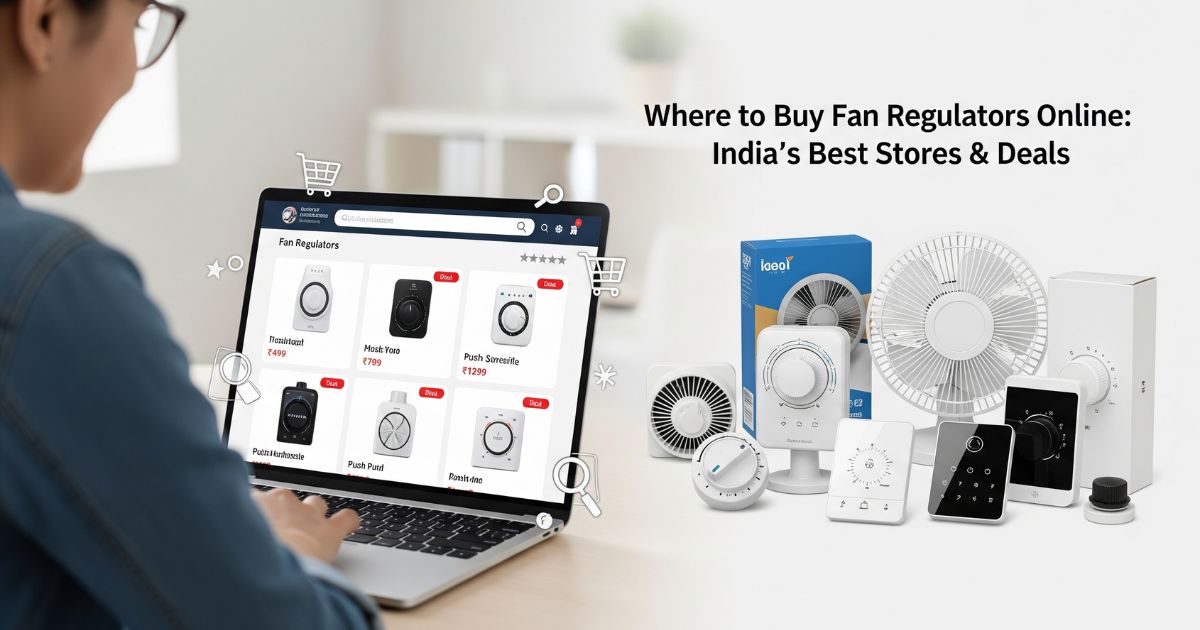
Where to Buy Fan Regulators Online: India’s Best Stores & Deals

Finding the right fan regulator shouldn’t feel like a task. With countless options available online, you can now compare prices, read reviews, and choose products that match your needs without stepping out of your home. Many trusted fan regulator manufacturers and a reliable fan regulator company offer their products through these online platforms, making it easier to get quality and durability. Whether you’re renovating your space or simply replacing an old regulator, shopping online offers flexibility and access to deals you won’t find in local stores.

This guide walks you through the best online platforms to buy fan regulators in India, what to look for before making a purchase, and how to grab the lowest prices available. Let’s help you make an informed decision that saves both time and money.

Why Buy Fan Regulators Online?

Shopping for electrical products online has become the norm, and for good reason. Here’s why buying a fan regulator online makes sense:

Convenience at Your Fingertips You can shop anytime, day or night, without dealing with traffic or store hours. Browse through options while relaxing at home, and have the product delivered right to your doorstep.

Better Pricing and Deals Online platforms often offer competitive prices, seasonal discounts, and exclusive deals. You can easily compare prices across multiple websites and choose the option that fits your budget.

Wider Selection Unlike physical stores with limited shelf space, online marketplaces showcase hundreds of models, brands, and designs. From basic analog regulators to smart digital variants, you’ll find everything in one place.

Customer Reviews and Ratings Real feedback from other buyers helps you understand product quality, durability, and performance. This transparency makes it easier to avoid poor-quality products and invest in reliable options.

Factors to Consider Before Buying a Fan Regulator Online

Before you click “add to cart,” keep these important factors in mind:

Compatibility with Your Fan Not all regulators work with every fan type. Check whether your fan requires a step-type or dimmer-type regulator. Ceiling fans, exhaust fans, and pedestal fans may have different requirements.

Build Quality and Durability Look for regulators made from high-grade materials that can handle daily use. Poor-quality components can lead to overheating, flickering, or reduced fan speed control.

Price and Budget Set a realistic budget based on your needs. While it’s tempting to go for the cheapest option, investing a bit more in a quality product often saves money in the long run by reducing replacement costs.

Warranty and After-Sales Service A good warranty reflects the manufacturer’s confidence in their product. Check the warranty period and ensure the brand offers customer support in case of issues.

Brand Reputation Trusted brands with positive reviews are usually a safer bet. Research the manufacturer’s history, customer feedback, and product performance before making a decision.

Top Online Stores to Buy Fan Regulators in India

Here are the most popular and reliable platforms where you can purchase fan regulators online:

Amazon India

Amazon remains one of the largest e-commerce platforms in India, offering an extensive range of fan regulators across different price points.

Pros:

  • Massive product variety from multiple brands
  • Detailed customer reviews and ratings
  • Fast delivery options including same-day delivery in metro cities
  • Easy return and refund process
  • Regular deals and lightning offers

Cons:

  • Need to verify seller authenticity for lesser-known brands
  • Delivery times can vary in remote areas
  • Some products may have inflated MRP to show fake discounts

Flipkart

Flipkart is another trusted name in Indian e-commerce, known for competitive pricing and user-friendly shopping experience.

Pros:

  • Attractive discounts during Big Billion Days and festive sales
  • Simple returns and exchange policy
  • Good customer service and complaint resolution
  • Flipkart Assured products guarantee quality

Cons:

  • Slightly limited selection compared to Amazon
  • Some regional areas face longer delivery times
  • Fewer international brand options

Industry-Specific E-Commerce Sites

Several online portals specialize in electrical goods and home improvement products. These platforms cater specifically to builders, electricians, and homeowners looking for quality electrical components.

Pros:

  • Expert product descriptions and technical specifications
  • Bulk purchase options at discounted rates
  • Professional-grade products
  • Better customer support from industry experts

Cons:

  • Higher minimum order value in some cases
  • Less flexible return policies
  • Fewer payment options compared to mainstream platforms

Brand-Specific Online Stores

Many electrical product manufacturers now sell directly through their own websites, offering authentic products with full warranty coverage.

Pros:

  • 100% genuine products with proper certification
  • Full manufacturer warranty
  • Direct customer support from the brand
  • Detailed product information and installation guides
  • Latest product launches available first

Cons:

  • Prices may be higher than marketplace platforms
  • Limited payment and delivery options
  • Fewer comparative options since you’re locked to one brand

Sai Electronics India

Sai Electronics India offers a curated selection of premium fan regulators designed for modern homes and commercial spaces.

Pros:

Cons:

  • Smaller product range compared to large marketplaces
  • Brand building phase, so fewer customer reviews available online

How to Find the Lowest Price for Fan Regulators Online

Getting the best deal requires some smart shopping strategies. Here’s how to ensure you’re not overpaying:

Use Price Comparison Tools Several websites and browser extensions compare prices across multiple platforms instantly. Tools like PriceDekho, MySmartPrice, and others show historical pricing trends to help you identify genuine discounts.

Wait for Seasonal Sales Major sales events like Republic Day, Diwali, Independence Day, and year-end clearance sales offer significant discounts. Plan your purchase around these periods if you’re not in immediate need.

Apply Cashback and Discount Coupons Check for bank offers, cashback deals, and coupon codes before checkout. Credit cards often provide additional discounts during specific periods. Websites like CouponDunia and GrabOn aggregate active coupons.

Compare Across Multiple Marketplaces Don’t settle for the first price you see. Check at least three to four platforms before making a purchase. Sometimes lesser-known sellers offer better deals on the same product.

Subscribe to Price Drop Alerts Many platforms allow you to set price alerts. You’ll receive notifications when the product reaches your desired price point.

Tips for Safe Online Purchases

Protecting yourself from fraud and ensuring a smooth buying experience requires attention to detail:

Verify Seller Ratings Always check the seller’s rating, number of transactions, and customer feedback. Established sellers with high ratings are more reliable than new or unrated sellers.

Read Product Descriptions Carefully Don’t just look at pictures. Read through specifications, included accessories, dimensions, and installation requirements. Misunderstanding product details is a common reason for returns.

Use Secure Payment Methods Prefer credit cards or trusted payment gateways over cash on delivery for expensive purchases. Credit cards offer better fraud protection and dispute resolution.

Understand Return and Warranty Policies Know the return window, who bears return shipping costs, and what conditions apply. Save all purchase receipts and warranty cards.

Check Product Certification Ensure the product has proper ISI marks or relevant certifications. This guarantees it meets safety standards and won’t cause electrical hazards.

FAQs

What is the average price of a fan regulator online?

The price ranges from ₹150 to ₹800 depending on the type and features. Basic step-type regulators start around ₹150, while advanced modular and digital regulators can cost between ₹400 and ₹800.

How to choose the right type of fan regulator?

Consider your fan’s wattage and motor type. Step-type regulators work well for traditional fans, while dimmer-type or electronic regulators are better for modern BLDC fans. Match the regulator’s capacity with your fan’s specifications for optimal performance. You can learn more through Our blog section.

Are there good deals during festival seasons?

Yes, major online platforms offer substantial discounts during Diwali, Amazon Great Indian Festival, Flipkart Big Billion Days, and year-end sales. You can save 20-40% during these periods.

How long does delivery usually take?

Metro cities typically receive orders within 2-5 days. Tier 2 and Tier 3 cities might take 5-10 days depending on the platform and seller location. Express delivery options are available at additional cost.

Can I install the fan regulator myself?

While installation is relatively simple, it involves electrical connections. If you’re not confident working with wiring, hire a qualified electrician to ensure safety and proper functioning. For more technical insights, Read more insights here.

Conclusion

Buying a fan regulator online gives you access to competitive prices, diverse options, and the convenience of doorstep delivery. By comparing platforms, reading reviews, and understanding your requirements, you can make a purchase that serves you well for years.

Whether you choose large marketplaces or specialized stores, the key is to prioritize quality, warranty, and seller reputation over just the lowest price. Smart shopping means balancing cost with reliability.

Ready to upgrade your home’s electrical fittings? Find the best deals today and improve your fan’s performance with a quality regulator. For expert guidance and premium modular regulators, check out more at Our blog section or reach out through our Contact Us for personalised recommendations.

Categories
Blogs Fan Regulator Manufacturing

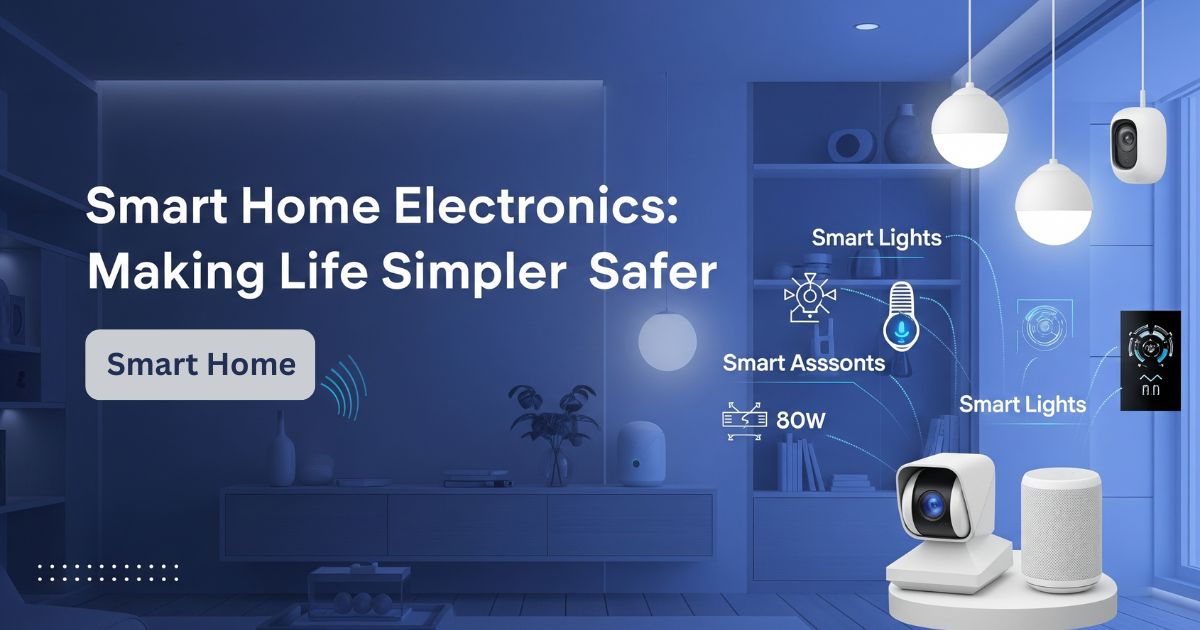
Smart Home Electronics: Making Life Simpler and Safer

The world of home living has undergone a significant transformation, largely thanks to the rapid evolution of smart home electronics. What was once the stuff of science fiction is now an everyday reality, making our residences more convenient, comfortable, and secure. From controlling major appliances remotely to optimizing energy consumption, these technological leaps have completely redefined what a modern home can be. This shift isn’t just about adding gadgets; it’s about seamlessly integrating technology to simplify daily routines and enhance personal safety.

A Look Back: The Journey of Smart Home Technology

The idea of an automated, intelligent dwelling has fascinated people for generations. While early concepts existed primarily in books and films, practical applications started emerging in the late 20th century. Basic home automation systems, early programmable thermostats, and rudimentary remote-controlled lighting set the stage. These early steps demonstrated the potential for technology to take over mundane tasks, freeing up homeowners’ time and effort.

The Connectivity Revolution: The Internet of Things (IoT)

The real explosion in home intelligence came with the widespread adoption of the Internet of Things (IoT). Simply put, IoT is the network of physical devices equipped with sensors, software, and network connectivity, allowing them to collect and exchange data. In the smart home context, this means your thermostat can talk to your lighting system, your security camera can send alerts to your phone, and even subtle but crucial devices like modern fan regulator manufacturers in India have embraced smarter, more efficient designs. This level of interconnectivity allows for a unified, responsive living environment.

Essential Smart Home Devices and Their Impact

Today, smart home technology offers an extensive array of devices designed to improve various facets of home life. Let’s look at some key examples:

  • Virtual Assistants and Smart Speakers: Devices like Google Home and Amazon Echo act as the central nervous system for many smart homes. They enable voice control over a host of other devices, allowing users to adjust the temperature, play music, manage lights, and much more, all through simple spoken commands.
  • Intelligent Climate Control (Thermostats): Modern smart thermostats go far beyond simple on/off switches. They learn your preferred schedules, adapt to seasonal changes, and, crucially, can be adjusted from anywhere via a smartphone. This leads directly to substantial energy efficiency and cost savings.
  • Advanced Security Systems: Home safety has been dramatically upgraded with the introduction of smart doorbells, high-definition cameras, and sensitive motion sensors. Homeowners can monitor their property in real-time, receive instant alerts for any unusual activity, and even communicate with visitors remotely, significantly boosting security and providing unparalleled peace of mind.
  • Smarter Lighting Solutions: Smart lighting systems offer not only convenience through remote control and scheduling but also energy savings. Users can customize light color and intensity to create the perfect ambiance for any occasion.
  • High-Tech Kitchen Appliances: From smart ovens that can be preheated on the commute home to refrigerators that help track inventory, these appliances simplify kitchen management and daily chores.
  • Keyless and Smart Locks: These systems enhance security by allowing homeowners to lock and unlock doors remotely, grant temporary access codes to guests or service providers, and monitor all entries and exits.

Enhancing Comfort and Efficiency with Fan Regulation

In a climate like India’s, the ceiling fan is a staple appliance. While often overlooked, the device that controls its speed, the fan speed controller or electric fan regulator, is a critical component for both comfort and energy consumption. Modern smart homes are moving away from older, less efficient components and adopting intelligent, reliable solutions.

The evolution from bulky, less-precise resistors to compact, highly efficient electronic options has been a game-changer. For example, a quality modular fan regulator offers smoother speed control and better energy savings compared to its older counterparts. Knowing the differences can be helpful. You can learn more about the technical aspects by reading this helpful resource: The Science Behind Fan Regulators: Analog vs Digital Explained.

When considering an upgrade, people often look for a good balance of quality and affordability, asking about the fan regulator cost, fan regulator price, or the ceiling fan regulator price. Fortunately, the market now offers competitive pricing on high-quality components. If you are in the market to buy fan regulator online or are a B2B client looking for reliable suppliers, the focus should be on manufacturers who adhere to strict quality standards.

For contractors, distributors, and bulk purchasers looking for a dependable fan regulator manufacturer in Ahmedabad or across the nation, finding reliable partners is key. The reputation of a fan regulator company hinges on the longevity and efficiency of its products. Look for established fan regulator manufacturers that provide robust and energy-efficient options. This is a crucial element of any modern electrical fitting.

The demand for better control has led to innovations like the fan regulator with remote or remote control fan regulator, which further integrates the fan into the smart home ecosystem. Imagine adjusting your fan speed from your couch using a small remote, or even integrating it into a smart speaker routine. This level of convenience is becoming the new norm. Whether you need a standard ceiling fan regulator, a sleek modular regulator, or information on a specific product like the 1 M 7 Diamond Modular Ceiling Fan Regulator, quality options are widely available.

Reliable, well-designed regulators, such as the 1 M 7 Dio Modular Regulator or the 1 M 7 Indico Modular Regulator, ensure that your fan operates efficiently at every setting, reducing power wastage. For those interested in sourcing the best components, it is worthwhile to connect with experienced fan regulator manufacturers in India.

When issues arise with existing systems, it’s beneficial to have resources available. Even simple fixes can sometimes be necessary. If you encounter any snags, this might help: Troubleshooting Guide: Fixing Common Fan Regulator Issues at Home.

The Profound Impact of Smart Tech on Daily Life

The integration of smart home technology delivers profound benefits that enhance the quality of life:

  • Unmatched Convenience: The ability to control almost any aspect of your home via voice command or a mobile app fundamentally simplifies daily routines. Adjusting the speed regulator for fan without getting up, turning off lights remotely, or receiving a notification when a package arrives makes life genuinely easier.
  • Optimized Household Management: Automated systems are excellent at managing energy. They can learn peak times and automatically reduce consumption, leading to lower utility bills and a smaller carbon footprint. This focus on efficiency extends even to small but important devices, such as selecting an electronic fan regulator over a conventional one.
  • Boosted Safety and Security: Real-time monitoring and instant alerts transform home security. Knowing you can check on your property instantly, regardless of your location, offers incredible assurance.

Smart Home Technology and Enhanced Accessibility

An important, often understated benefit of smart home technology is its potential to significantly enhance accessibility. Individuals with mobility challenges or cognitive impairments can greatly benefit from voice-activated controls and automated routines. Smart devices can empower them to manage their living spaces with ease, fostering a greater sense of independence and dignity within the home.

Addressing Concerns: Security, Integration, and Longevity

While the advantages are compelling, a responsible discussion must address potential downsides. Data security and user privacy remain paramount concerns. As devices collect and transmit personal data, manufacturers must commit to the highest security protocols to protect sensitive information. Users must also be diligent about securing their home networks.

Another practical challenge is ensuring different devices can work together seamlessly. While progress has been made, the “interoperability” of various smart devices remains a key factor for a frustration-free smart home experience. A smart home should be a cohesive system, not a collection of isolated gadgets. Furthermore, when selecting components like a modular regulator, considering the brand’s reliability and the product’s longevity, such as the widely used 1 M 7 SILVER, is crucial. Quality should always outweigh the initial low cost.

The Trajectory of Smart Home Technology

The future of the smart home is extraordinarily bright and continues to accelerate, driven by leaps in machine learning, Artificial Intelligence (AI), and next-generation connectivity like 5G. Future homes will likely feature even more self-governing systems that anticipate and respond to occupant needs without explicit instruction. Imagine a home that adjusts the ceiling fan speed controller not just based on a set time, but based on a combination of the external weather, the internal temperature, and the specific number of people in the room.

The push for energy efficiency and sustainable living will also drive innovation, making devices like advanced electronic fan regulator manufacturers even more central to the design of an eco-friendly dwelling. As technology becomes more intuitive and costs continue to moderate, the sophisticated, interconnected smart home will move from luxury to standard.

If you are looking to learn more about setting up your smart home or sourcing high-quality electrical components like fan regulators, you can always Contact Us for expert advice.

Conclusion

The evolution of smart home electronics is more than a trend; it’s a fundamental shift in how we interact with our living spaces. From early automation to today’s complex IoT-powered environments, technology has continuously delivered greater simplicity and enhanced safety. By responsibly embracing innovations, from smart cameras to energy-saving fan regulator manufacturers, we are paving the way for homes that are not only smarter but also more efficient, secure, and ultimately, better places to live.

Chat With Us