Categories
4 Step Fan Regulator Blogs

Modular, Curve, or Switch Type: How to Choose the Right 4 Step Fan Regulator

Search for a 4 step fan regulator and three different physical types of 4 step fan regulator show up in the results: a flat modular plate, a rounded curve design, and a standalone switch type unit. They all give the same four speed steps, so the part that actually decides which one you need has nothing to do with the fan and everything to do with what is already built into your wall. Getting that wrong usually ends in a return, since a modular plate will not sit inside a conventional switch box and a switch type unit will not snap into a modular cutout. As one of the leading fan regulator manufacturers in india, we see this happen often, but matching your switch board is simple once you know what to look for.

What 4 Step Actually Means, Regardless of the Housing

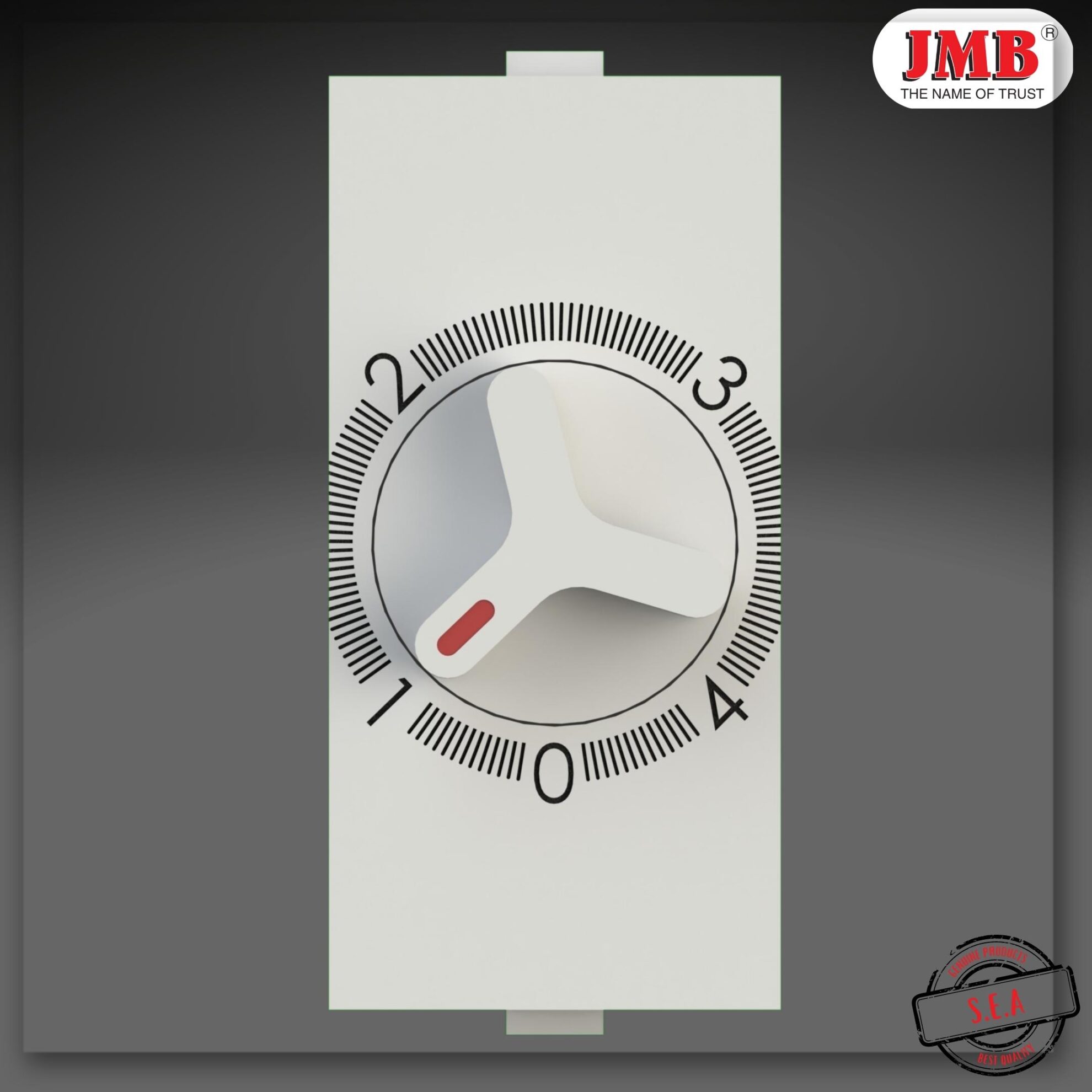
Every regulator in this range moves through four fixed speed positions instead of a smooth dial, full, three quarter, half, and low. The way that voltage gets stepped down, resistor stack or capacitor bank, changes how much heat the unit gives off at lower speeds, but it does not change which housing fits your board. For a deeper look at how the voltage stepping itself works, this piece on how to connect fan regulator step-by-step wiring guide covers the electrical side in more detail than this guide needs to.

Modular Plate Type: Best for Boards Already Fitted with a Modular Frame

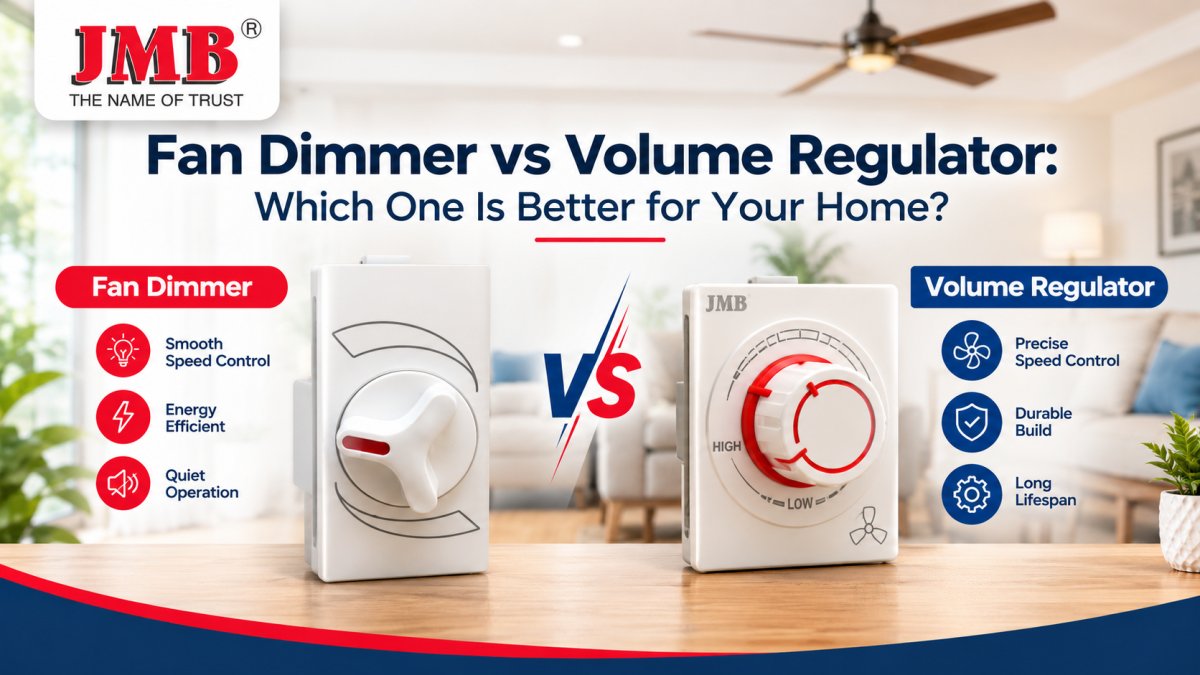
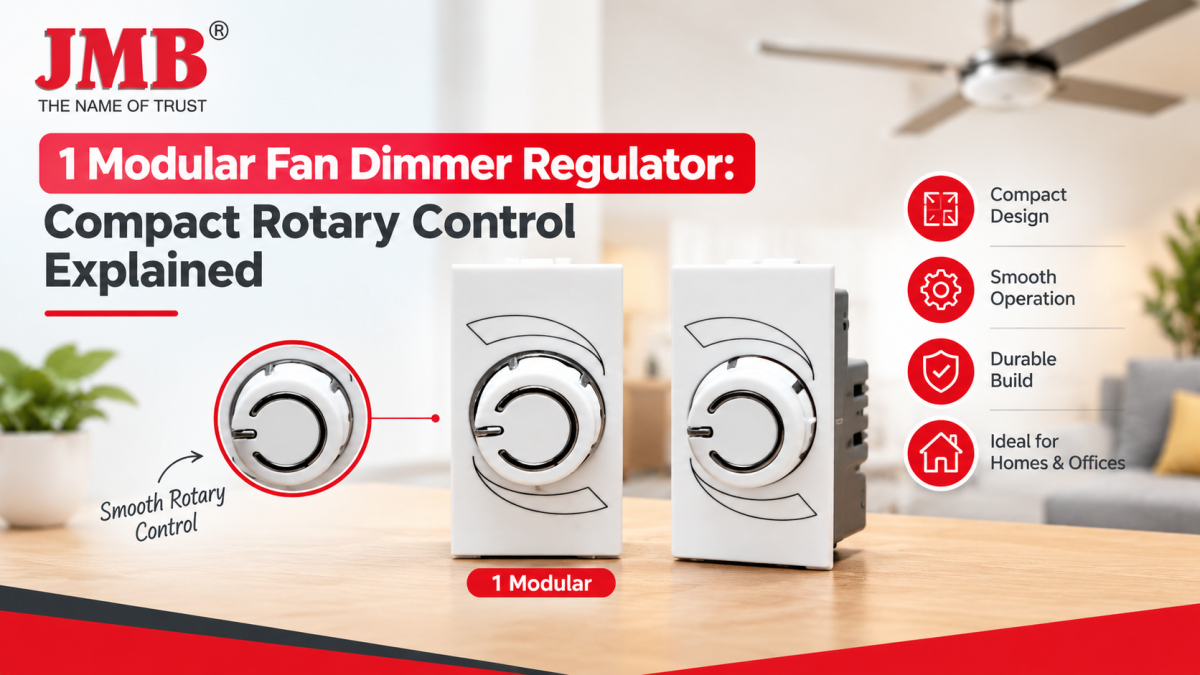
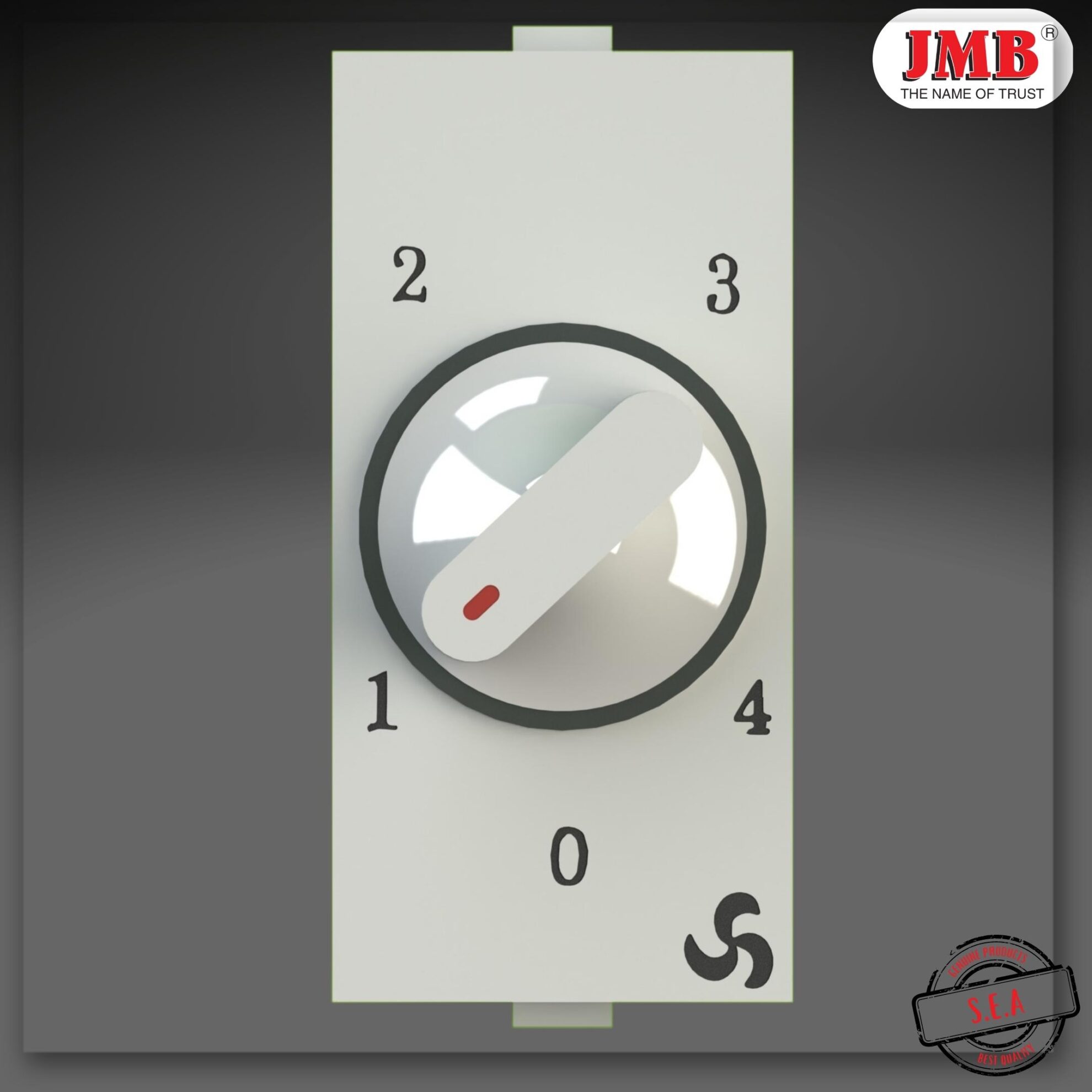
If your switch board already has a modular frame with individual plate slots for each switch, the 1 modular 4 step fan regulator range is built to drop into one of those slots without touching the wiring behind it. It takes up a single module, the same space as a regular light switch, and the flat plate matches the profile of every other switch already on the board. This is the most common pick for newer flats and offices, since modular boards have become the standard in most fresh construction across Indian cities over the past decade.

If you are looking for premium modular models, products like the SWITCH Croma 4-Step Fan Regulator offer a sleek, flush finish that blends perfectly with modern interiors.

Curve Design: The Same Modular Fit with a Rounded Profile

The curve range uses the exact same modular plate cutout and the same four step mechanism, the only difference sits in the cover itself, which carries a rounded edge instead of sharp corners. Buyers usually pick the 1 modular curve 4 step fan regulator line for rooms where the switch board is in plain view, a living room or entrance hallway, rather than a utility area tucked out of sight.

If sharp square plates already feel dated on your board, this is a drop in swap with no wiring changes, since it shares the same fitting as the standard modular type. For a stylish upgrade in this category, options like the SWITCH 4ST SILVER Capacitor Fan Regulator or the distinctive SWITCH 4ST REDMI Capacitor Fan Regulator add a premium aesthetic touch while maintaining smooth multi-step performance.

Switch Type: Best for Older, Non-Modular Switch Boxes

Plenty of buildings across India were wired before modular boards became common, and those still run on a conventional switch box rather than a modular frame. A switch type 4 step fan regulator comes as a complete unit in its own housing, built to fit straight into that existing box without any rewiring or board replacement.

Most of these also run on a capacitor bank rather than a resistor stack, which keeps the unit cooler at low speed, a detail worth checking if your board sees heavy daily use in a shop or shared space. High-durability variants such as the SWITCH 4ST STAR Capacitor Fan Regulator are specifically engineered to provide long-lasting, hum-free speed control for these heavy-duty traditional setups.

A Quick Way to Decide Which One You Need

Open the switch board cover and look at what is already there. A row of separate plate slots with individual switch modules means modular or curve, depending only on whether you want a flat or rounded look. A single solid switch body with no surrounding plate frame means switch type, and matching this detail is the real starting point if you want to choose the right fan regulator rather than guess from a product photo.

There is no in between option, and trying to force one housing into the wrong board usually means an electrician has to redo part of the wiring just to make it physically fit. If the fan itself is also struggling rather than the switch, this piece on why a 4 step regulator fixes a fan running too fast or too slow covers the symptom side of the problem in more depth.

Price and Running Cost Differences Between the Three

Modular and curve units typically run on a resistor stack, which keeps the unit price lower but means the switch body runs warmer at low speed, since the unused voltage gets dissipated as heat rather than stored. Switch type units more often run on a capacitor bank instead, which usually costs a little more per unit but keeps the housing cooler across all four speeds and puts marginally less strain on the internal contacts over years of daily use.

Neither difference is large enough to be the deciding factor on its own, fan regulator switch board compatibility still comes first, but it is worth knowing before you compare two listings that otherwise look identical on the surface. Sai Electronics India lists the housing type clearly on every product page across the 4 step fan regulator category, so you are not left guessing from a photo alone.

Frequently Asked Questions

Q. How many types of 4 step fan regulator are there to choose from?

Three, modular, curve, and switch type, and all three run the same four click speed positions underneath. The difference that actually matters when you are buying is the housing, since only one of the three will physically fit the switch board you already have.

Q. Should I consider a remote control fan instead of any of these?

That depends more on convenience than on switch board fit, since a remote control fan changes how you operate the fan rather than how the switch sits in your wall. This remote control ceiling fans vs traditional regulators comparison walks through the running cost and convenience trade-offs in more detail if that option is still on your shortlist.

Q. Can I mix housing types across one switch board?

Yes, plenty of boards run a flat modular plate for the lights and a curve plate just for the fan regulator, or vice versa, since each module slot is independent of the others. The only rule that matters is that every plate in a modular frame needs to use the modular cutout, switch type units are the one housing that cannot join that mix.

Ready to Choose the Right Fan Regulator?

Once you understand the types of 4 step fan regulator available and match that against what is already on your wall, the choice between the three ranges stops being a guess and becomes a straightforward fit check, which is usually a five minute job before you even open a product page.

If you are planning to upgrade your home switches or need expert guidance on bulk orders for your commercial projects, feel free to contact us today. Our technical team is always ready to help you choose the ideal regulation solutions for your space.

Categories
4 Step Fan Regulator Blogs

Fan Running Too Fast or Too Slow? Why a 4 Step Regulator is the Fix You Need

There is a particular frustration that comes with a ceiling fan that simply will not cooperate. Step 1 barely moves the air. Step 2 suddenly feels like a wind tunnel. The old rotary knob sits somewhere in between, vibrating loose every few weeks. If this sounds familiar, the problem is almost certainly not the fan itself. It is the regulator.

A 4 step fan regulator solves this in a clean, straightforward way. Four defined speed positions, each clearly separated, each repeatable. No guessing. No constant readjusting. Just set it once and let it run.

This guide explains how it works, which type suits your home or project, and what to look for before you buy.

Why Your Current Regulator Might Be Letting You Down

Old-style rotary regulators were designed around simplicity. A dial, a resistor coil, and continuous adjustment from minimum to maximum. In theory, that gives you infinite control. In practice, the dial slips, the resistor overheats at low speeds, and you end up using just two or three positions anyway.

The bigger issue with continuous rotary types is energy waste. At low speeds, the resistor dissipates the remaining power as heat. You are not reducing how much electricity your fan consumes — you are just diverting some of it into warming your wall.

Step-type regulators work differently. At each step, the circuit is configured to supply a specific voltage to the fan motor. Lower steps mean genuinely less current drawn from the mains, which translates to real savings on your electricity bill over time.

This is why so many homes and commercial spaces across India are upgrading away from rotary types and moving toward step regulators. A 4 step fan regulator sits in the sweet spot for most rooms — enough options to cover the range from gentle circulation to full cooling, without the added complexity of a 5- or 7-step device.

How a 4 Step Fan Regulator Works

Inside a 4-step regulator is a set of resistors wired in a stepped arrangement. Each position on the regulator selector connects a different combination of resistors in series with the fan motor circuit.

At step 4 (full speed), no extra resistance is added — the fan receives the full rated voltage and runs at maximum speed. At step 1, the highest resistance is introduced, dropping the voltage to the motor and slowing the fan to its minimum operational speed.

The steps are fixed, which means the fan always returns to the same speed at any given position. This repeatability is something a rotary dial simply cannot offer.

Modern versions of the 4 step fan regulator use improved winding materials and contact mechanisms that stay accurate over years of daily use. The step selector should click firmly into each position, with no looseness or drifting between steps.

For readers who want to understand the internal voltage behaviour in more detail, the guide on voltage control in modern fan regulators covers the circuit mechanics clearly.

4 Steps vs 5 Steps vs 7 Steps: Which Is Right for You?

This is a common question, and the honest answer depends on how you actually use your fan.

4 Step Regulator

Four positions cover low, medium-low, medium-high, and full speed. For most living rooms, bedrooms, and office spaces, this range is more than adequate. The compact selector fits into a single modular slot (1M), which makes it ideal for switchboards where space is limited.

If you want a side-by-side comparison of how the 4-step and 5-step options perform in real usage scenarios, the post on 4 step vs 5 step fan regulators in Indian homes gives a practical breakdown.

5 Step Regulator

The 5 Step Fan Regulator manufacturer range adds one more position between medium and high speed. Useful if you frequently feel that step 3 is slightly too slow and step 4 is slightly too fast in a 4-step layout. Bedrooms and study rooms where you spend long hours often benefit from this finer increment.

7 Step Regulator

The 7 Step Fan Regulator manufacturer options provide the finest control, with seven defined positions across the full speed range. The trade-off is a slightly larger selector that takes up more panel space. Best suited for rooms where you want very precise airflow control, such as server rooms, nurseries, or medical facilities.

For most standard Indian households, a 4-step or 5-step regulator covers the full range of practical needs. The 7-step is better suited to commercial or specialist environments.

Types of 4 Step Fan Regulators

The right body type depends on your switchboard style and installation setting.

1 Modular (1M) Panel Type

This is the most common format for modern homes. The regulator fits into a single 1M slot in a standard modular switchboard. The compact profile means it takes up minimal space while leaving room for switches, sockets, and other fittings in the same panel.

Several variants are available to match different panel aesthetics:

The 1 M CLASSIC 4-Step Modular Fan Regulator suits standard white or off-white modular panels with a clean, no-frills profile. If your switchboard uses a grey colour scheme, the 1 M CROMA GREY 4-Step Modular Fan Regulator provides a matching finish that blends in neatly.

For homes with updated panel designs, the 1 M NEW 4-Step Modular Fan Regulator offers a contemporary selector style that sits well in modern switchboards with styled frames and matte finishes.

Compact or Mini Format

In some installations, the panel layout is tight, and a standard 1M body is the only option. The Mini Diamond 4 ST Fan Regulator is a compact variant designed for panels where precise fitment in a smaller footprint matters, particularly useful in retrofit projects where you are working around an existing layout.

How to Install a 4 Step Fan Regulator

For anyone comfortable with basic electrical work, fitting a modular 4-step regulator is a straightforward job. Here is the sequence:

  1. Switch off the relevant MCB at your distribution board before touching anything.
  2. Remove the existing regulator or the cover plate from the slot you are using.
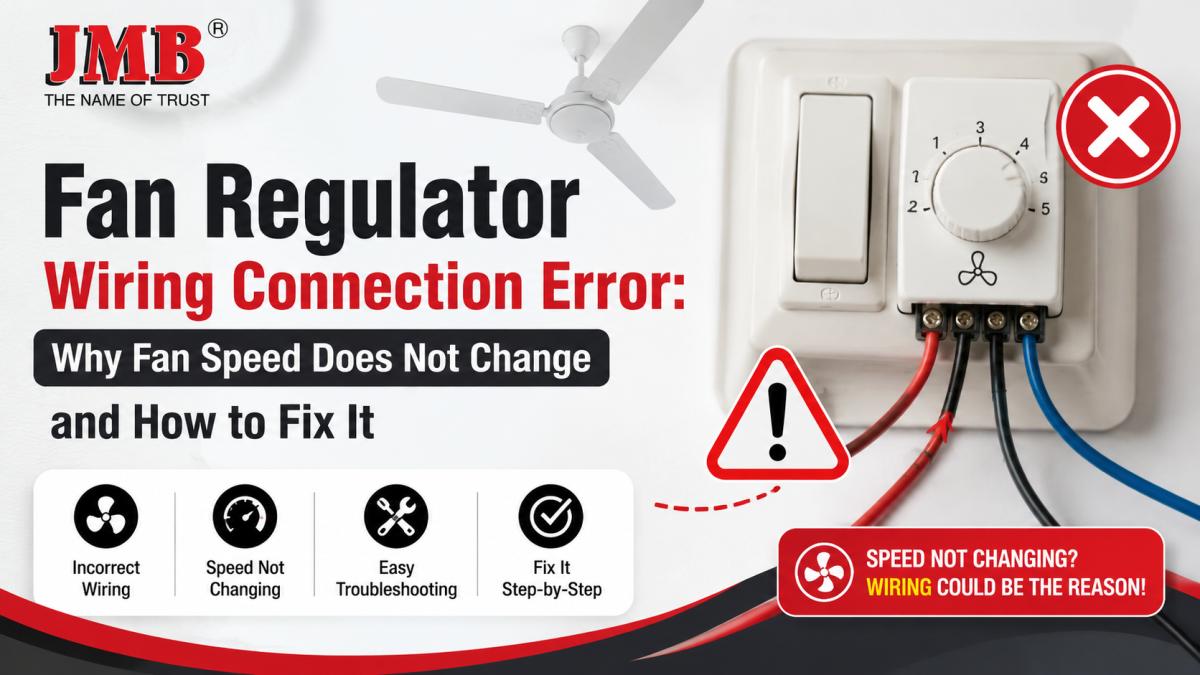
  3. Identify the terminals on the new regulator: Line (incoming live), Fan (outgoing to the fan), and Neutral (if applicable).
  4. Connect the live wire from the wall to the line terminal.
  5. Connect the wire going to the fan to the fan terminal.
  6. Press the regulator body into the modular frame until it seats firmly.
  7. Refit the switchboard cover, restore power, and test all four speed steps.

Each step should click into place clearly. If any position feels loose or causes the fan to run at an unexpected speed, check the wiring connections before assuming the unit is faulty.

For a fully illustrated installation reference, including terminal diagrams for different switchboard types, the step-by-step fan regulator wiring guide is a reliable resource to have open while you work.

What to Look for When Buying a 4 Step Fan Regulator

Quality differences between regulators are not always visible from the outside. Here is what actually separates a reliable unit from a cheap one.

Step click quality: Each of the four positions should engage with a firm, tactile click. A mushy or vague step action means the internal contact system is low quality and will likely drift or fail within a year or two.

Fan wattage rating: Most standard ceiling fans are rated between 50W and 75W. Confirm the regulator’s maximum wattage rating matches or exceeds your fan’s power draw. Using an undersized regulator causes it to overheat at full speed.

Heat at low steps: Some warmth at step 1 is normal for resistive-type regulators. Excessive heat is a sign of poor resistor winding quality and can become a safety concern over time.

Panel compatibility: Measure the slot in your switchboard before ordering. A 1M modular regulator fits a single module slot. A mismatch in size means the unit will not seat correctly in the frame.

Finish and colour match: This sounds minor, but a mismatched regulator face on a clean switchboard panel stands out badly. Choose a variant that matches your panel colour (white, grey, or custom) for a professional result.

For Contractors and Bulk Buyers

If you are managing a construction project, hotel fit-out, housing complex, or commercial building, buying direct from a 4 Step Fan Regulator manufacturer rather than a distributor gives you consistent quality across every unit, better pricing at scale, and access to the full range of variants under one order.

When evaluating suppliers, check for BIS compliance on the products, consistent winding quality across production batches, and the ability to supply different body types – modular, mini, or open body – from the same source. A reliable manufacturer can also accommodate OEM requirements for custom branding or packaging if your business needs it.

Gujarat-based manufacturers supplying across India are well-positioned to handle both domestic bulk orders and export requirements. For a broader view of what the Indian market offers across all step counts and formats, fan regulator manufacturers in India give a useful product-range overview.

If you are also outfitting panels with charging points alongside fan regulators, the USB Socket Manufacturers range covers USB-A and USB-C socket modules that fit standard modular panels and can be combined in the same switchboard as your fan regulator.

Frequently Asked Questions

Q: Will a 4 step regulator work with my existing ceiling fan? 

A: Yes, provided your fan is a standard induction-motor ceiling fan rated up to 75W. It will not work with BLDC fans, which need a dedicated electronic controller.

Q: Can I swap a 5-step regulator for a 4-step one? 

A: Yes. As long as the new unit fits the same modular slot and the wiring terminals are compatible, the swap is straightforward. You simply lose one speed step, which for most users makes no practical difference.

Q: Why does the regulator feel warm at low speed? 

A: At lower steps, the resistors in the circuit absorb the voltage difference and release it as mild heat. This is normal for resistive-type regulators. If the unit feels hot rather than warm, check that the fan wattage does not exceed the regulator’s rating.

Q: How long does a modular 4-step regulator last? 

A: A well-made unit with quality internal contacts and winding should last 5 to 10 years under normal daily use. Cheap variants with poor contact quality may show step drift or failure within 12 to 18 months.

Q: Is professional installation required? 

A: Not necessarily. Anyone with a basic understanding of electrical wiring can install a modular fan regulator safely by following the correct terminal connections and switching off power at the board first. If you are unsure, have a licensed electrician handle it.

Sai Electronics India: A Manufacturer You Can Rely On

Sai Electronics India manufactures a complete range of fan regulators, including the full 4-step modular lineup, from their facility in Ahmedabad. Their products are used by electricians, contractors, builders, and OEM buyers across India.

Whether you need a single unit for a home upgrade or a bulk order for a large construction project, their range covers the full spectrum of body types, finishes, and wattage ratings — all built to consistent tolerances that installers can count on.

If you have specific requirements around panel type, wattage, or order volume, the team is available to help you identify the right product. Feel free to contact us directly for guidance or to discuss a bulk inquiry.

Categories
7 Step Fan Regulator manufacturer

What Is a 7 Step Fan Regulator? Complete Guide to Fan Speed Controllers

Every ceiling fan needs a reliable speed control mechanism, and the type of regulator you use directly affects how comfortable, efficient, and long-lasting your fan system is. A 7 step fan regulator gives you seven distinct speed levels, offering far greater control than standard 3 or 5 step variants. Whether you are setting up a home, office, or commercial space, this level of precision makes a real difference in daily use.

A 7 speed fan regulator is increasingly the preferred choice in both residential and commercial electrical systems across India. From compact modular panels to traditional switch-based setups, the fan regulator 7 step format suits a wide range of installation needs. This guide covers everything you need to know, from how it works to how to pick the right type.

You can check the full product range from trusted fan regulator manufacturers in india to understand what is available across different specifications.

What Is a 7 Step Fan Regulator?

A 7 step fan regulator is an electrical device that controls the speed of a ceiling fan by dividing its operating range into seven distinct levels. Each level corresponds to a specific voltage or resistance setting that determines how fast the fan motor runs.

A 7 step ceiling fan regulator gives you more granular control compared to 5 step models. Instead of jumping between a few broad speed ranges, you can fine-tune airflow to match the exact comfort level you need at any given time. This makes it especially useful in spaces where temperature and airflow requirements change throughout the day.

As a 7 step fan speed controller, it manages the electrical input to the fan motor precisely at each step, reducing wear caused by abrupt speed transitions. The result is smoother operation and a longer motor lifespan.

How a 7 Step Fan Regulator Works

The core function of any step regulator is to alter the electrical supply reaching the fan motor. Depending on the selected speed level, the regulator either restricts or allows more current to flow, which changes the motor speed accordingly.

Resistive Speed Control Mechanism

In a 7 step resistive fan regulator, the speed control works through a series of resistors arranged in a stepped configuration. When you turn the knob or switch to a lower speed, more resistance is introduced into the circuit, which reduces the voltage across the fan motor and slows it down. Moving to a higher step reduces the resistance in the path, allowing more voltage through and increasing fan speed.

Each of the seven steps corresponds to a pre-set resistance value. This design is straightforward, mechanically simple, and has been used reliably in Indian electrical systems for decades. While it does generate some heat at lower speed settings, modern versions are built with heat-dissipating materials that manage this effectively.

Types of 7 Step Fan Regulators

Different installation environments call for different regulator formats. Here are the three main types available in the market:

Modular 7 Step Fan Regulator

A modular 7 step fan regulator is designed to fit into standard modular switchboards. It occupies one or two modular slots and integrates cleanly with other switches, sockets, and dimmers in the same panel.

The 7 step modular fan regulator format is the go-to choice for modern residential and commercial interiors where clean panel aesthetics matter. It requires no separate housing and mounts directly into the switchboard frame, making installation quick and tidy.

Electrical contractors and builders sourcing for modular projects often rely on 7 Step 1 Modular fan regulator manufacturers for consistent sizing and finish quality.

Switch Type 7 Step Fan Regulator

A 7 step switch fan regulator uses a traditional rotary or lever-based switching mechanism. The user manually moves through each of the seven speed positions using a physical switch, and each position creates a distinct circuit configuration.

This step type fan regulator format is common in older building wiring setups and in areas where modular panels are not used. It is robust, easy to service, and does not require any special switchboard compatibility. The manual switching action is tactile and clear, which many users find easier to operate than rotary knobs.

Buyers working on traditional electrical systems often source from a reliable 7 Step Switch Type Fan Regulator Manufacturer to get units built for long-term manual use.

Open Body 7 Step Fan Regulator

Open body regulators are built for internal mounting inside electrical panels, junction enclosures, or OEM equipment. They are not fitted with a consumer-facing faceplate and are instead installed within a protected housing as part of a larger electrical assembly.

This type also functions as a 7 step resistive fan regulator in many configurations, making it suitable for industrial environments where robust, heat-tolerant construction is necessary. Project contractors and panel builders frequently source from an established 7 Step Open Body Fan Regulator Manufacturer for bulk panel installations.

Benefits of Using a 7 Speed Fan Regulator

  • Precise fan speed control: Seven levels give you far more adjustment range than 3 or 5 step regulators, letting you match airflow exactly to your comfort needs.
  • Smoother motor operation: Gradual speed transitions reduce mechanical stress on the fan motor, preventing premature wear.
  • Energy efficiency: Running a 7 step ceiling fan regulator at lower speeds during mild weather reduces power consumption compared to running at full speed.
  • Durable design: Quality-built regulators use heat-resistant materials and reliable switching components that last through years of daily use.
  • Long lifespan: Proper voltage management at each step extends both the regulator’s own life and that of the fan motor.
  • Stable fan performance: A good 7 speed fan regulator maintains consistent speed at each selected level without fluctuation, even during minor voltage variations.

Applications of 7 Step Ceiling Fan Regulators

The 7 step format is versatile enough to serve a wide range of settings:

Homes: Used in bedrooms, living rooms, and kitchens where comfort levels change across the day and night. Seven speed levels make it easy to dial in the right airflow for sleeping, working, or relaxing.

Offices: Open-plan offices benefit from the precise control that prevents fans from running unnecessarily at full speed during cooler hours, reducing noise and energy use.

Hotels and Guest Houses: Room comfort is a priority, and the wider speed range of a 7 step regulator lets guests adjust airflow without the fan being either too powerful or too weak.

Commercial Buildings: Retail spaces, showrooms, and lobbies with large ceiling fans benefit from granular speed control that balances airflow with noise levels.

Industrial Electrical Panels: Open body regulators are used inside panel boards and control assemblies where fan speed control is part of a larger ventilation system.

7 Step Fan Regulator Price in India

The 7 step fan regulator price in India varies based on several factors:

Regulator Type: Modular types tend to cost slightly more than open body variants due to their finished housing and switchboard-compatible design. Switch type regulators are generally mid-range in pricing.

Build Quality: Regulators made with high-grade resistors, heat-dissipating casings, and ISI-certified components are priced higher than basic alternatives, but they deliver far better long-term value.

Manufacturer: Established manufacturers with quality testing processes price their products to reflect the reliability they offer. Generic unbranded units cost less but carry higher replacement risk.

Material Quality: Flame-retardant plastic housings, copper contacts, and quality resistive elements all contribute to a higher unit price, but they reduce the risk of overheating and electrical failure.

For bulk orders, OEM supply, and wholesale pricing, direct sourcing from the manufacturer consistently brings the unit price down significantly.

How to Choose the Best 7 Step Fan Regulator

Here is what to check before placing an order:

Ceiling Fan Compatibility: Confirm the regulator’s wattage rating matches or exceeds your ceiling fan’s motor rating. Undersized regulators overheat quickly.

Modular vs Switch Type: If your switchboard is a modular panel, go with a modular 7 step unit. For older wiring setups with traditional boards, the switch type is the practical fit.

Component Quality: Check whether the unit uses quality resistors and heat-tolerant materials. These details determine how long the regulator lasts under daily use.

Manufacturer Credibility: Sourcing from a recognized fan regulator manufacturer Gujarat with documented production standards reduces the risk of early product failure. Gujarat-based manufacturers have a strong presence in India’s electrical component supply chain and are well-positioned for both domestic and export markets.

Trusted 7 Step Fan Regulator Manufacturer in India

Sai Electronics India operates as an established 7 Step Fan Regulator manufacturer with production based in Ahmedabad, Gujarat. As a 7 Step Fan Regulator manufacturer Ahmedabad, the company supplies regulators across product types including modular, switch type, and open body formats.

As a 7 Step Regulator supplier India and active 7 Step Fan Regulator supplier Gujarat, the company serves retail dealers, electrical distributors, and large project buyers. Bulk orders are handled efficiently, making it a practical choice for those who need consistent supply without delays.

For international buyers, the company also operates as a 7 Step Fan Regulator exporter, supplying to markets that require quality-tested Indian-made electrical components. Distributors and 7 Step Fan Regulator wholesaler networks across India source regularly from the Ahmedabad facility due to the consistent product quality and reliable dispatch timelines.

Browse the complete product line from reliable 7 Step fan regulator manufacturers to compare types and specifications before placing your order.

Frequently Asked Questions (FAQ)

What is the difference between a 5 step and 7 step fan regulator?

A 5 step regulator gives you five speed levels while a 7 step model offers seven. The additional steps in a 7 step unit allow finer speed adjustments, making it better suited for spaces where airflow needs to be tuned precisely rather than switched between broad ranges.

Is a 7 step fan regulator better for ceiling fans?

For most applications, yes. More speed levels mean the fan motor spends more time running at an optimal speed rather than being forced between extremes. This reduces motor wear and gives users more comfort control throughout the day.

What is the price of a 7 step fan regulator in India?

Prices vary based on type, build quality, and order quantity. Modular types generally cost more than open body variants. Bulk buyers and distributors sourcing directly from manufacturers get significantly lower per-unit pricing compared to retail.

Which is better: modular or switch type fan regulator?

It depends on your switchboard. Modular types are built for modern modular panels and offer a cleaner finish. Switch type regulators suit traditional wiring setups and are easier to service manually. Both deliver the same seven-speed control; the difference is in form factor and installation environment.

Conclusion

A well-chosen fan regulator does more than control speed. It protects your fan motor, reduces energy waste, and improves comfort across every season. The 7 step format stands out for its precision, giving you more usable control levels than standard regulators in a compact and reliable package.

Whether you need a modular unit for a residential switchboard, a switch type for a traditional panel, or an open body version for an industrial enclosure, matching the regulator type to your installation is the key to long-term performance. Always source from a manufacturer with verified quality standards and consistent supply capability.

For product details, bulk pricing, or OEM supply enquiries, contact us and the team at Sai Electronics India will assist you with specifications and order terms.

Categories
7 Step Fan Regulator manufacturer

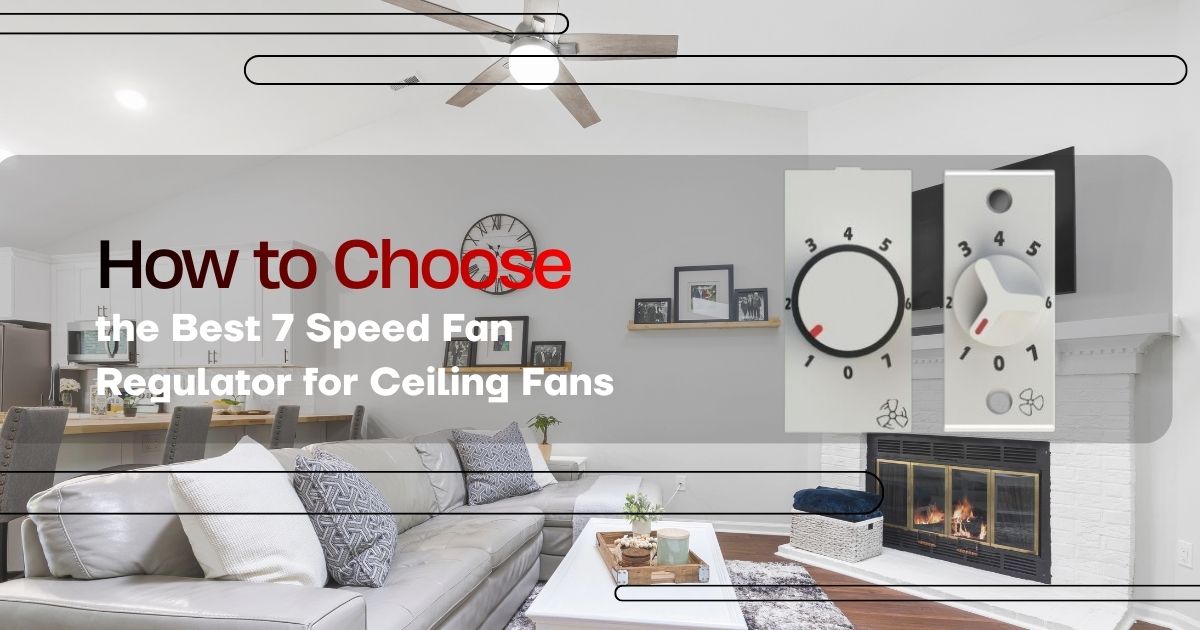
How to Choose the Best 7 Speed Fan Regulator for Ceiling Fans

A ceiling fan without a proper regulator either runs at full speed or not at all. That kind of limited control wastes energy, puts strain on the motor, and makes it impossible to set a comfortable airflow level for different times of day. Choosing the right 7 speed fan regulator changes this completely.

With seven distinct speed levels, a 7 step ceiling fan regulator gives you precise control over airflow in any room, whether it is a bedroom, office, or commercial space. The right regulator also protects your fan motor by avoiding abrupt speed changes that cause wear over time.

This guide walks you through what to check, which type suits your installation, and how to identify a manufacturer worth buying from, whether you are purchasing a single unit or placing a bulk order.

What Is a 7 Speed Fan Regulator?

A fan regulator controls how much electrical power reaches the ceiling fan motor, which directly determines how fast the fan spins. Basic regulators offer two or three speed settings, which limits how precisely you can adjust airflow.

A 7 step ceiling fan regulator divides the fan’s operating range into seven clearly defined steps. Each step corresponds to a specific electrical input level, giving you finer control over speed without the abrupt jumps you get with fewer steps.

As a 7 step fan speed controller, the device manages the transition between each level smoothly, reducing motor stress and noise. The fan regulator 7 step format is now widely preferred in both residential and commercial electrical projects across India because it balances precise control with reliable construction.

Why 7 Step Ceiling Fan Regulators Are Popular

The shift toward seven-step regulators comes down to four clear advantages:

Precise Speed Control: With a standard 3 step regulator, your choices are limited to slow, medium, and fast. A 7 step fan regulator lets you fine-tune airflow much more accurately, which is especially useful in rooms where temperature and comfort levels shift across the day.

Smoother Fan Operation: Each step transition in a quality 7 speed fan regulator is gradual rather than abrupt. This protects the motor from the mechanical shock of sudden speed changes, extending the fan’s working life.

Energy Efficiency: Running a fan at a lower, precisely controlled speed uses less power than cycling between high and off. Seven steps give you enough range to always run at the most efficient level for the conditions.

Durability: Well-built 7 step regulators use heat-resistant materials and quality switching components that hold up under years of daily use, making them a more cost-effective choice over time compared to cheaper low-step alternatives.

Types of 7 Speed Fan Regulators

Modular 7 Step Fan Regulator

A modular 7 step fan regulator is built to slot into standard modular switchboards used in modern home and commercial interiors. It takes up one or two modular spaces in the panel and aligns flush with surrounding switches and sockets for a clean, finished look.

The 7 step modular fan regulator is the most commonly installed type in new construction and renovation projects today. Its standardized dimensions make it compatible with most major modular switchboard brands, and installation requires no custom housing or additional brackets.

Electrical contractors working on modular panel projects often source from 7 Step 1 Modular fan regulator manufacturers for consistent product sizing and reliable supply.

Switch Type 7 Step Fan Regulator

A 7 step switch fan regulator operates through a physical rotary or lever mechanism that moves through each of the seven speed positions manually. Each position locks into place and creates a specific circuit configuration that sets the fan speed.

This step-type fan regulator is the right choice for older wiring setups and traditional switchboards that are not designed for modular components. It is mechanically straightforward, easy to service, and does not require any special panel compatibility.

For traditional electrical systems, buyers rely on a dependable 7 Step Switch Type Fan Regulator Manufacturer for units built to handle continuous manual operation over many years.

Resistive 7 Step Fan Regulator

A 7 step resistive fan regulator controls fan speed using a series of resistors. Each speed step introduces a different level of resistance into the circuit, which reduces or increases the voltage reaching the fan motor accordingly.

This type is known for its straightforward electrical design and mechanical durability. It is widely used in industrial panel installations and open body configurations where the regulator is mounted inside a protective enclosure rather than a consumer-facing switchboard. The resistive design is particularly valued where heat tolerance and long-term component stability are priorities.

Project buyers and panel builders sourcing for industrial use frequently work with an established 7 Step Open Body Fan Regulator Manufacturer for bulk supply of open body resistive units.

Key Factors to Consider Before Buying a 7 Speed Fan Regulator

Compatibility with Ceiling Fans

Always verify the regulator’s wattage rating against your ceiling fan’s motor specification. A regulator rated below the fan’s power requirement will overheat and fail prematurely. Most standard ceiling fans in India fall within a range that mid-spec regulators handle comfortably, but always confirm before ordering, especially for larger or industrial fans.

Regulator Type (Modular vs Switch)

Match the regulator type to your switchboard. Modular types fit modern modular panels only. Switch types work with traditional boards and are also the better choice when you need easy field servicing. Choosing the wrong format means either a poor fit or unnecessary additional installation work.

Material and Build Quality

Check that the housing uses flame-retardant plastic and that internal components include quality resistors or capacitors depending on the regulator type. Build quality directly determines how the unit handles heat under continuous use, which is the most common cause of early regulator failure.

Safety and Electrical Standards

ISI certification is the baseline standard for electrical components sold in India. Beyond that, check for proper insulation on internal wiring, secure terminal connections, and heat-dissipating design features. These details matter most in rooms or installations where the regulator runs for long hours daily.

Price and Manufacturer Reputation

A lower 7 step fan regulator price from an unverified source often means compromised materials or inconsistent quality control. Established manufacturers price their products to reflect testing, certification, and consistent production standards. For bulk buyers, the price difference per unit between reputable and generic sources narrows significantly with volume, making quality sourcing the more practical choice.

Applications of 7 Step Ceiling Fan Regulators

Homes: Bedrooms, living rooms, and kitchens all benefit from the extended speed range. You can set a barely perceptible breeze at night and full airflow during the afternoon without choosing between extremes.

Offices: In open-plan workspaces, 7 step regulators allow subtle speed adjustments that keep airflow comfortable without creating noise or drafts that distract from work.

Hotels and Guest Houses: Guest comfort depends on giving occupants control over their environment. The wider speed range of a 7 step unit makes it easier for guests to find a comfortable setting without having to switch the fan fully on or off.

Commercial Buildings: Showrooms, retail spaces, and lobbies with high ceilings and large fans need precise speed control to maintain comfortable conditions without excessive energy use.

Electrical Panels: Open body and resistive type regulators are integrated into panel boards and industrial ventilation control assemblies where the regulator is part of a larger system rather than a standalone consumer fitting.

You can check the complete range of available types at the electrical products shop to compare specifications across all formats before ordering.

Choosing a Trusted Fan Regulator Manufacturer

The manufacturer you source from determines product consistency, availability, and the reliability of after-sales support. This matters more for bulk buyers and distributors than for single-unit purchases, but it affects every buyer.

Sai Electronics India is an established 7 Step Fan Regulator manufacturer operating from Ahmedabad with a supply network that covers both domestic and international markets. As a 7 Step Fan Regulator manufacturer Ahmedabad and active 7 Step Fan Regulator supplier Gujarat, the company serves electrical dealers, project contractors, and large-volume buyers with a consistent product range across all regulator types.

For distributors and stockists, the company operates as a reliable 7 Step Regulator supplier India with bulk fulfilment capability and stable lead times. International buyers sourcing quality-tested Indian electrical components can also access supply through the company’s 7 Step Fan Regulator exporter operations.

The Gujarat electrical manufacturing sector has a strong national reputation, and working with a verified fan regulator manufacturer Gujarat gives buyers access to both competitive pricing and documented quality standards. Wholesale networks and 7 Step Fan Regulator wholesaler operations across India regularly source from the Ahmedabad facility for this reason.

Check the full product catalogue from trusted 7 Step fan regulator manufacturers to view available types and specifications.

7 Step Fan Regulator Price in India

The 7 step fan regulator price in India depends on four main variables:

Regulator Type: Modular units cost slightly more than open body or switch type variants because of their finished housing and panel-ready design. Open body types are the most economical for bulk panel installations.

Materials: Regulators built with flame-retardant housing, copper contacts, and quality resistive or capacitive elements cost more per unit but last significantly longer under daily operating conditions.

Manufacturing Quality: Units from manufacturers with documented quality control and ISI certification carry a modest premium over generic alternatives, but the reduction in failure rates and replacement costs makes them the more economical choice over time.

Bulk Order Pricing: Unit prices drop substantially for wholesale and OEM orders placed directly with the manufacturer. Distributors and project contractors sourcing in volume should always negotiate directly with the production facility for the most competitive rates.

FAQs About 7 Speed Fan Regulators

What is the difference between a 5 step and 7 step fan regulator?

A 5 step regulator provides five speed levels and a 7 step unit provides seven. The additional two steps in the 7 step version give you finer speed adjustment, which is useful in spaces where airflow needs to be tuned rather than simply set to high, medium, or low.

Which is better: electronic or resistive fan regulator?

Electronic regulators are more energy-efficient because they do not waste power as heat. Resistive regulators are more durable in high-heat or industrial environments and are easier to service. The right choice depends on your installation type, budget, and how long you need the unit to run daily.

Can a 7 step regulator work with all ceiling fans?

Most 7 step regulators are compatible with standard single-phase ceiling fans. You need to match the regulator’s wattage rating to your fan’s motor rating. Fans with non-standard motors, such as BLDC types, may require specific regulator compatibility, so always check the fan manufacturer’s specifications before ordering.

What is the average 7 step fan regulator price in India?

Retail prices vary based on type and build quality. Modular types cost more than open body or switch type variants at the same quality level. Bulk and wholesale pricing from manufacturers is significantly lower per unit than retail and depends on order volume and product specifications.

Conclusion

Selecting the right 7 speed fan regulator is a straightforward decision once you know what to check. Match the regulator type to your switchboard, confirm wattage compatibility with your ceiling fan, and source from a manufacturer with verified quality standards and consistent supply capability.

The seven-step format gives you more precise airflow control, protects the fan motor from unnecessary stress, and delivers better long-term value than basic two or three-step alternatives. Whether you need a single modular unit for a home installation or bulk supply for a commercial project, the product type and manufacturer you choose determine how well the regulator performs over its full working life.

For product details, bulk pricing, and OEM supply options, contact us and the team at Sai Electronics India will assist with specifications and order terms.

Categories
5 Step Fan Regulator Manufacturer

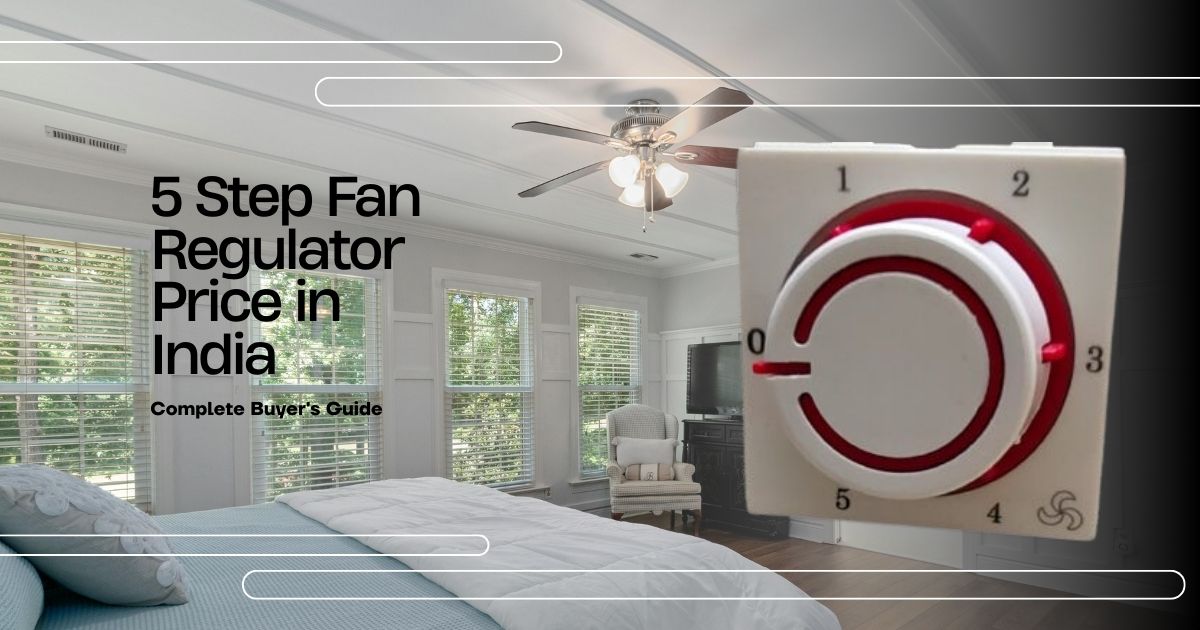
5 Step Fan Regulator Price in India: Complete Buyer’s Guide

Controlling ceiling fan speed is no longer a matter of comfort alone. In modern electrical systems, efficient speed regulation directly impacts energy consumption, motor lifespan, and day-to-day convenience. A well-made 5 step fan regulator gives you five distinct speed levels, from minimal airflow to maximum power, so you can adjust according to the season, room size, or personal comfort without over-stressing the fan motor.

Today, buyers across India, including retail customers, electrical contractors, and bulk purchasers, weigh three key factors: quality, durability, and price. The market offers a wide range of regulators, but not all of them deliver consistent performance over time. That is why sourcing from the right manufacturer matters more than price alone.

You can count on quality solutions from trusted fan regulator manufacturers in india like Sai Electronics India, which has built a reputation for reliable electrical products backed by solid quality standards.

What Is a 5 Step Fan Regulator?

A fan regulator 5 step is an electrical control device that divides ceiling fan speed into five preset levels. Unlike older rheostat-based regulators that wasted energy as heat, modern variants use capacitor or TRIAC-based technology to manage speed more efficiently and quietly.

Here is why five speed levels matter: a single-speed or three-speed regulator limits your control range. With five steps, you can set a very slow, almost silent speed during the night, a moderate flow for working hours, and full speed during peak summer heat. This flexibility improves comfort in every season.

The main difference between legacy regulators and a modern 5 speed fan regulator lies in internal construction. Older models generate heat due to resistive loss, while current versions use capacitor-based switching that keeps the unit cool and extends its working life. A 5 step ceiling fan regulator also fits neatly into standard switchboards without added wiring complexity, making it the preferred choice for new installations and retrofits alike.

A 5 step fan speed controller works by altering the voltage waveform reaching the fan motor. Each step corresponds to a specific capacitor configuration, reducing fan speed smoothly without the jerky transitions you might notice in older types.

5 Step Fan Regulator Price in India

Pricing in this category varies based on construction quality, technology used, and the type of product. Whether you are buying for a single household or placing a bulk order for a project, understanding price bands helps you make a smarter decision.

Average Market Price

At the retail level, basic 5 step fan regulators are available at entry-level price points suited for standard residential use. Mid-range models with better capacitor ratings and modular form factors cost more but offer improved durability. At the premium end of the market, regulators with copper-wound components and ISI-marked certifications command higher prices, justified by longer service life and lower failure rates.

For bulk buyers, OEM orders, and wholesale supply, pricing per unit drops considerably depending on order volume, product specifications, and delivery terms. Distributors and project buyers typically negotiate directly with manufacturers to get competitive rates.

Factors Affecting Price

Several things influence what you pay for a 5 step fan regulator in India:

  • Build Quality: Regulators made with high-grade plastic housings and heat-resistant components cost more upfront but save money over time through fewer replacements.
  • Capacitor Technology: Units using polypropylene or metalized film capacitors outperform standard types. This technology difference is reflected in price.
  • Modular Design: A modular 5 step regulator that fits standard switchboards without adapters adds convenience and commands a modest premium over open-body types.
  • Manufacturer Reputation: Products from established manufacturers who maintain testing standards and quality documentation are priced higher than generic alternatives, but the reliability difference is significant.

Buyers often compare products from different 5 Step fan regulator manufacturers before finalizing a purchase, looking for the right combination of price and tested performance.

Types of 5 Step Fan Regulators Available

The market carries multiple product variants, each suited to a specific application or installation environment. Knowing the differences helps you pick the right type without overspending or under-specifying.

2 Modular Fan Regulators

These are designed to occupy two modular slots in a standard switchboard. Their compact footprint makes them easy to pair with other switches and sockets in the same plate without crowding the panel. The internal construction is identical to full-size models, so you get the same five-speed control in a smaller package.

Many electrical projects prefer products from 5 Step 2 Modular fan regulator manufacturers because of their easy installation and clean finish in modular switchboards.

2 Modular Curve Fan Regulators

Curved modular regulators are a design evolution of the standard 2 modular type. The curved faceplate matches the aesthetic of modern switch plates, particularly curved or arched modular panels that are increasingly common in premium residential and commercial interiors. Functionally identical to flat modular versions, these add visual appeal without any trade-off in performance.

High-spec modular switchboards often use products from a reliable 5 Step 2 Modular Curve Fan Regulator Manufacturer to maintain a consistent look across the entire electrical panel.

Open Body Fan Regulators

Open body regulators are built for electrical panels, junction boxes, and industrial service environments where the unit is enclosed within a larger housing. They are not designed for exposed consumer switchboards but are essential for wiring projects, panel boards, and OEM installations where the regulator is mounted internally.

Industrial buyers and project engineers often rely on a trusted 5 Step Open Body Fan Regulator Manufacturer for durable regulator solutions built to handle demanding operational conditions.

How to Choose the Right 5 Step Fan Regulator

Choosing the right regulator is not just about picking the cheapest option. Here is what you should check before placing an order:

  • Compatibility with Modular Boards: A 5 step modular fan regulator must match the dimensions and slot count of your switchboard. Always confirm the modular size before ordering.
  • Durability and Safety: Check for ISI certification, heat resistance, and flame-retardant housing. These are non-negotiable for long-term safe operation.
  • Smooth Speed Control: The transitions between speed steps should be seamless. A regulator with abrupt or jerky speed changes puts unnecessary stress on the fan motor and shortens its life.
  • Price vs Performance: A slightly higher upfront investment in a quality modular 5 step regulator saves you the cost and hassle of frequent replacements, particularly in high-use environments like offices or commercial properties.
  • Brand Reputation: Opt for manufacturers with documented quality processes, product warranties, and an established supply chain. Unbranded products may save money initially but carry higher long-term risk.

Why Dealers and Distributors Prefer 5 Step Fan Regulators

From a trade and distribution perspective, 5 step fan regulators hold strong commercial appeal. They move consistently across seasons and geographic markets, making them a dependable stock item for any electrical dealer.

Stable demand in the electrical market means that whether you stock these as a 5 Step Fan Regulator supplier or operate as a 5 Step Fan Regulator wholesaler India, you will see consistent turnover throughout the year. Ceiling fans remain one of the most widely used appliances across residential and commercial segments, and regulators are a consumable part of that ecosystem.

Installation is straightforward, which reduces after-sales complaints and service calls. This translates directly into lower operational costs for distributors and dealers who offer installation support.

For buyers looking at bulk procurement, OEM 5 Step Fan Regulators offer the flexibility to customize labeling, packaging, and specifications to meet project or brand requirements. Companies sourcing for large-scale projects often work directly with a 5 Step Fan Regulator exporter to supply products across multiple markets efficiently.

Why Choose Sai Electronics India

Sai Electronics India stands among the established 5 Step Regulator manufacturer in India with a focus on consistent quality and broad product coverage. Every regulator that leaves the facility goes through quality testing to ensure it meets electrical performance and safety standards.

The product range covers the full spectrum from 2 modular to curve modular to open body designs, giving distributors, project buyers, and OEM clients a single source for all regulator types. Bulk supply capability means large orders are fulfilled without delays, supporting contractors and dealers who operate on tight project timelines.

For dealers who need reliable restocking and buyers who require custom specifications, the company’s supply chain is built to handle both. Each product is backed by documented quality checks, making it straightforward for buyers to meet project compliance requirements.

Conclusion

A quality 5 step fan regulator offers more than just speed control. It protects the fan motor, reduces energy waste, and improves everyday comfort. Pricing across the Indian market depends on construction quality, internal technology, and whether the product carries recognized safety certifications.

Before making a purchase, assess compatibility with your switchboard type, the build standards of the manufacturer, and whether you need modular, curve modular, or open body formats. For bulk and OEM buyers, working directly with an established manufacturer consistently delivers better value than sourcing through multiple intermediaries.

If you are ready to place an order or need detailed product specifications and pricing, contact us for wholesale pricing, OEM options, and delivery terms tailored to your project needs.

Categories
4 Step Fan Regulator Blogs

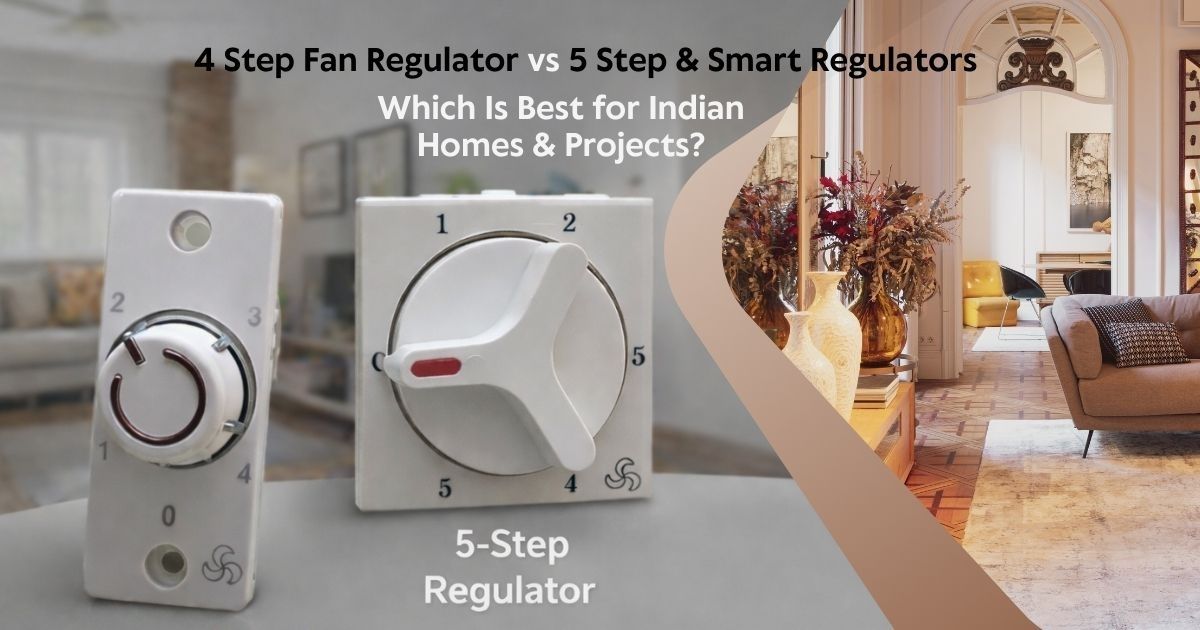
4 Step Fan Regulator vs 5 Step & Smart Regulators: Which Is Best for Indian Homes & Projects?

Choosing the right fan speed controller can make a real difference in comfort, energy bills, and long-term reliability. In 2026, Indian buyers face three main options: traditional 4 step models, 5 step variants, and modern smart controllers. Each has distinct advantages depending on your specific needs, budget, and installation environment.

What Is a 4 Step Fan Regulator?

A 4 Step Fan Regulator uses a rotary switch mechanism to offer four distinct speed settings for ceiling fans. Unlike older resistance-based dimmers, modern step regulators use capacitor-based circuits that reduce energy waste while delivering consistent performance across different voltage conditions.

How Step-Based Speed Control Works

The technology relies on switching different capacitor values into the fan motor circuit. Each position on the dial connects a specific capacitor rating, which alters the phase angle of the current supplied to the fan. This creates distinct speed levels without generating excessive heat, making these controllers safer and more energy-efficient than outdated resistance models.

Typical Applications in Indian Homes, Offices & Projects

These controllers fit seamlessly into residential bedrooms, living rooms, and office spaces where straightforward operation matters most. Builders prefer them for apartment complexes and housing projects because residents find the tactile knob interface intuitive. The 1 M C CLASSIC Modular Regulator works well in standard modular switch plates, giving architects flexibility in design planning.

What Is a 5 Step Fan Regulator?

The 5 step variant adds one additional speed setting between the existing levels. This means you get five distinct fan speeds instead of four, theoretically offering finer control over airflow.

Extra Speed Level – Is It Really Needed?

For most Indian users, the difference between four and five speeds is barely noticeable in daily use. The middle speed on a 5 step unit sits between what would be speeds 2 and 3 on a 4 step model. In practice, people tend to stick with three main settings: low for sleeping, medium for normal use, and high for hot afternoons. The extra granularity rarely justifies the added cost.

Price Difference vs Performance

Five step models typically cost 15-25% more than their four step counterparts. Unless you’re extremely particular about finding that perfect airflow sweet spot, the performance gain doesn’t match the price increase. Most electricians and contractors stick with four step options for better value.

What Are Smart Fan Regulators?

Smart controllers let you adjust fan speed through smartphone apps, voice assistants, or remote controls. They often include features like scheduling, timer functions, and integration with home automation systems.

App & Remote Control Features

Modern smart regulators connect via Wi-Fi or Bluetooth, allowing you to change speeds without getting up. Some models support Google Assistant or Alexa voice commands. You can program them to automatically adjust speeds based on time of day or room temperature sensors.

Compatibility with Old Wiring Systems

Here’s where many Indian homes face challenges. Smart regulators often require a neutral wire connection, which isn’t present in older wiring setups common in buildings constructed before 2010. Retrofitting neutral wires means breaking walls and rewiring, adding significant installation costs. Traditional step regulators work with existing two-wire systems, making them plug-and-play replacements.

4 Step vs 5 Step vs Smart – Feature Comparison

Speed Control Precision

Four step units provide adequate speed variation for typical ceiling fans. Five step models add marginal precision that most users won’t notice. Smart controllers offer theoretically infinite speed adjustment through dimming circuits, but this smoothness comes at the cost of complexity and potential compatibility issues with older fan motors.

Power Consumption

Modern capacitor-based step regulators are highly efficient, wasting minimal energy as heat. The 1 M C INDICO Modular Regulator uses quality components that maintain efficiency across all speed settings. Smart controllers add their own power draw for the wireless circuitry, even when the fan is off. This standby consumption can add up over time, though it’s usually minimal.

Installation & Maintenance

Step-based controllers install in minutes using standard electrical connections. Any electrician can handle the job without special training. Smart units require app setup, network configuration, and occasional firmware updates. If your Wi-Fi goes down or the manufacturer stops supporting the app, you might lose control features. Physical step switches have no such dependencies.

Cost & Long-Term Value

A quality 4 Step Fan Regulator Manufacturer in India offers products ranging from ₹150 to ₹400 depending on finish and features. Five step models cost ₹200 to ₹500. Smart regulators start around ₹800 and can exceed ₹2,000 for feature-rich versions. Over a 10-year lifespan, step regulators require virtually no maintenance, while smart devices may need replacement if technology standards change.

Why 4 Step Fan Regulators Still Lead the Indian Market

Reliability in Voltage Fluctuations

Indian power grids experience frequent voltage variations, especially in tier 2 and tier 3 cities. Capacitor-based step controllers handle these fluctuations gracefully without damage. The electronic circuits in smart regulators are more sensitive to voltage spikes and brownouts, potentially failing without proper stabilization.

Budget-Friendly for Mass Housing

Developers building 500-unit apartment complexes need cost-effective solutions that won’t burden homebuyers. When you multiply ₹300 versus ₹1,500 across hundreds of units, the savings become substantial. The 1 M C RED Modular Regulator offers excellent value for such projects without compromising quality.

Easy Availability from Indian Manufacturers

Cities like Ahmedabad and other industrial hubs in Gujarat produce millions of step regulators annually. As a 4 Step Regulator Manufacturer in India, Sai Electronics India maintains ready stock and can fulfill orders within days. This local manufacturing ecosystem ensures quick replacement availability and better after-sales support compared to imported smart devices.

Which Regulator Should You Choose?

Best for Homes

For single-family homes and apartments, four step controllers offer the best balance of functionality, reliability, and cost. They work with existing wiring, need no technical knowledge to operate, and last for years without issues. The 1 M CROMA BLACK Modular Regulator provides a sleek aesthetic that complements modern interior designs.

Best for Builders & Electricians

Construction professionals should stick with four step models for residential projects. They’re easier to install in bulk, have fewer failure points, and residents of all ages can use them without confusion. When sourcing from reliable Fan Regulator Manufacturers in India, you ensure consistent quality across all units in your project.

Best for Commercial Projects

Offices, showrooms, and commercial spaces benefit from four step regulators due to their durability under frequent use. For high-end commercial buildings where automation is a priority, smart regulators make sense, but ensure your electrical contractor includes proper surge protection and network infrastructure.

Why Buy from a Trusted 4 Step Fan Regulator Manufacturer in India

BIS Certification & Quality Testing

Reputable manufacturers comply with Bureau of Indian Standards safety requirements. BIS-marked products undergo rigorous testing for electrical safety, fire resistance, and performance consistency. Choosing certified 4 Step Fan Regulator Supplier ensures you’re not compromising on safety standards. Understanding what makes top manufacturers stand out helps you make informed purchasing decisions.

Benefits of Local Manufacturing in Gujarat & Ahmedabad

Gujarat’s industrial infrastructure supports efficient production with quality control at every stage. As a 4 Step Fan Regulator Manufacturer in Ahmedabad, local producers reduce transportation costs and carbon footprint while supporting regional employment. The 1 M CROMA GREY Modular Regulator exemplifies how local manufacturing can deliver international quality standards.

Bulk Supply, OEM & Export Advantages

Working with a 4 Step Fan Regulator Wholesaler gives contractors access to volume pricing and customization options. Many Indian manufacturers offer OEM services for branded housing projects and export to markets in Africa, Middle East, and Southeast Asia. The impact of locally made products extends beyond individual projects to support national manufacturing goals.

Final Verdict – Is 4 Step Fan Regulator Still the Smartest Choice in 2026?

For the vast majority of Indian buyers, yes. The 4 Step Regulator Manufacturer in India continues to serve market needs effectively because these products deliver reliable performance at accessible prices. While smart home technology has its place in premium projects, traditional step controllers remain unbeatable for mass-market applications.

If you’re building a tech-forward home with comprehensive automation, smart regulators make sense as part of a broader ecosystem. For everyone else, including builders, electricians, and homeowners who value simplicity and longevity, the four step option remains the practical choice.

The key is selecting products from established manufacturers who stand behind their quality. Whether you need single units for home renovation or bulk quantities for construction projects, partnering with a dependable 4 Step Regulator Exporter ensures you get products that perform consistently for years.

Ready to make your purchase decision? Check out the complete range of reliable regulators or get in touch to discuss your specific project requirements.

FAQs

Q. Is a 4 step fan regulator better than a 5 step regulator?

A. For most users, yes. The four step model provides sufficient speed variation for comfortable airflow control while costing less. The extra speed level in five step units rarely provides noticeable improvement in daily use. Four step regulators also have a proven track record of reliability and wider availability from manufacturers across India.

Q. Do smart fan regulators save more electricity than step regulators?

A. Not significantly. Modern capacitor-based step regulators are already highly efficient. Smart controllers add convenience features but consume standby power for their wireless connectivity. The energy savings from optimized scheduling might offset this, but the difference is minimal in practical terms for a typical household.

Q. Which fan regulator is best for Indian voltage conditions?

A. Capacitor-based step regulators handle voltage fluctuations better than electronic smart controllers. Indian power grids often experience variations that can damage sensitive electronics. Four step models from quality manufacturers include components rated for these conditions, making them more reliable across different regions.

Q. Are 4 step fan regulators suitable for modular switches?

A. Absolutely. Modern step regulators are specifically designed to fit standard modular switch plates. They’re available in various colors and finishes to match different interior styles. The modular format makes installation straightforward and allows easy replacement without changing the entire switch plate.

Q. Where can I buy bulk 4 step fan regulators in India?

A. Contact manufacturers and wholesalers directly for bulk orders. Gujarat and Ahmedabad have numerous established producers who supply to contractors, builders, and exporters. For consistent quality and competitive pricing on large orders, working directly with a 4 Step Fan Regulator Manufacturer in Gujarat ensures better terms and reliable delivery schedules.

Chat With Us